Health
Ebola could reach South Sudan within weeks, WHO warns
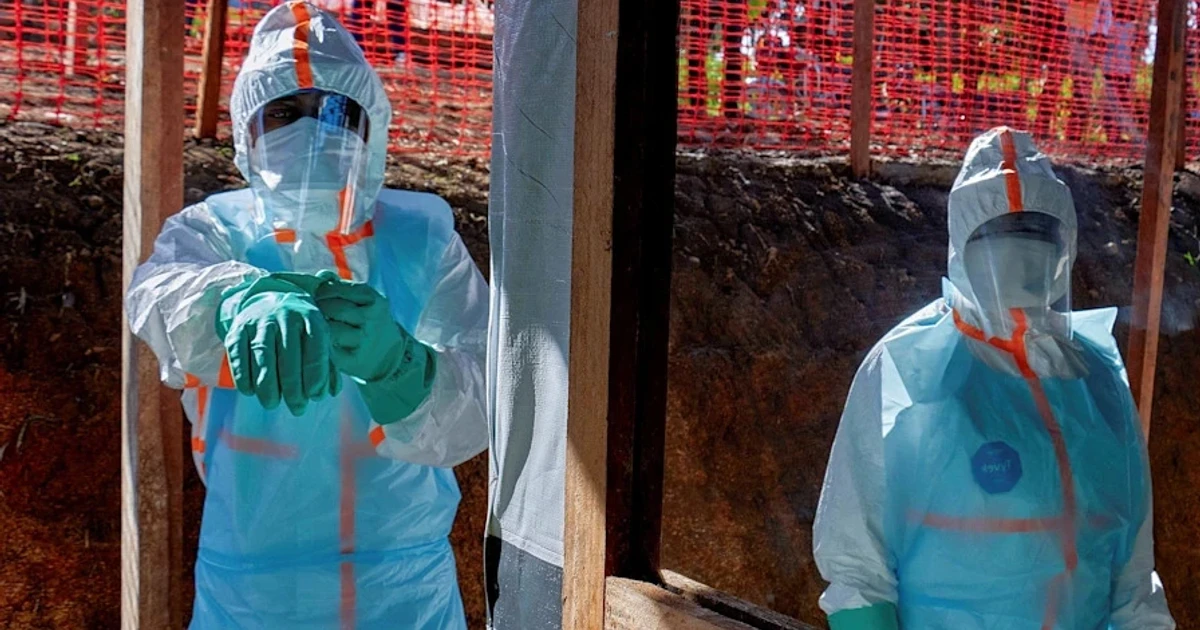
Health experts warned that Ebola could reach South Sudan within weeks, with WHO modelling putting the chance of at least one case arriving there at 69.3% over 12 weeks. The warning landed as the outbreak in the Democratic Republic of the Congo and Uganda intensified, and as South Sudan’s weak surveillance, limited border screening, gaps in contact tracing and unsafe burial practices left clear openings for cross-border spread.
The outbreak was first formally declared on May 15, 2026, after laboratory confirmation of Bundibugyo virus disease in the DRC and Uganda. Two days later, WHO determined that it constituted a Public Health Emergency of International Concern. Bundibugyo ebolavirus has no licensed vaccine or specific treatment, which makes the speed of detection and isolation especially important. The U.S. Centers for Disease Control and Prevention said the outbreak likely began spreading undetected in eastern DRC in early April, weeks before it was recognized, a delay that helped transmission widen in a remote but densely populated and conflict-affected area.
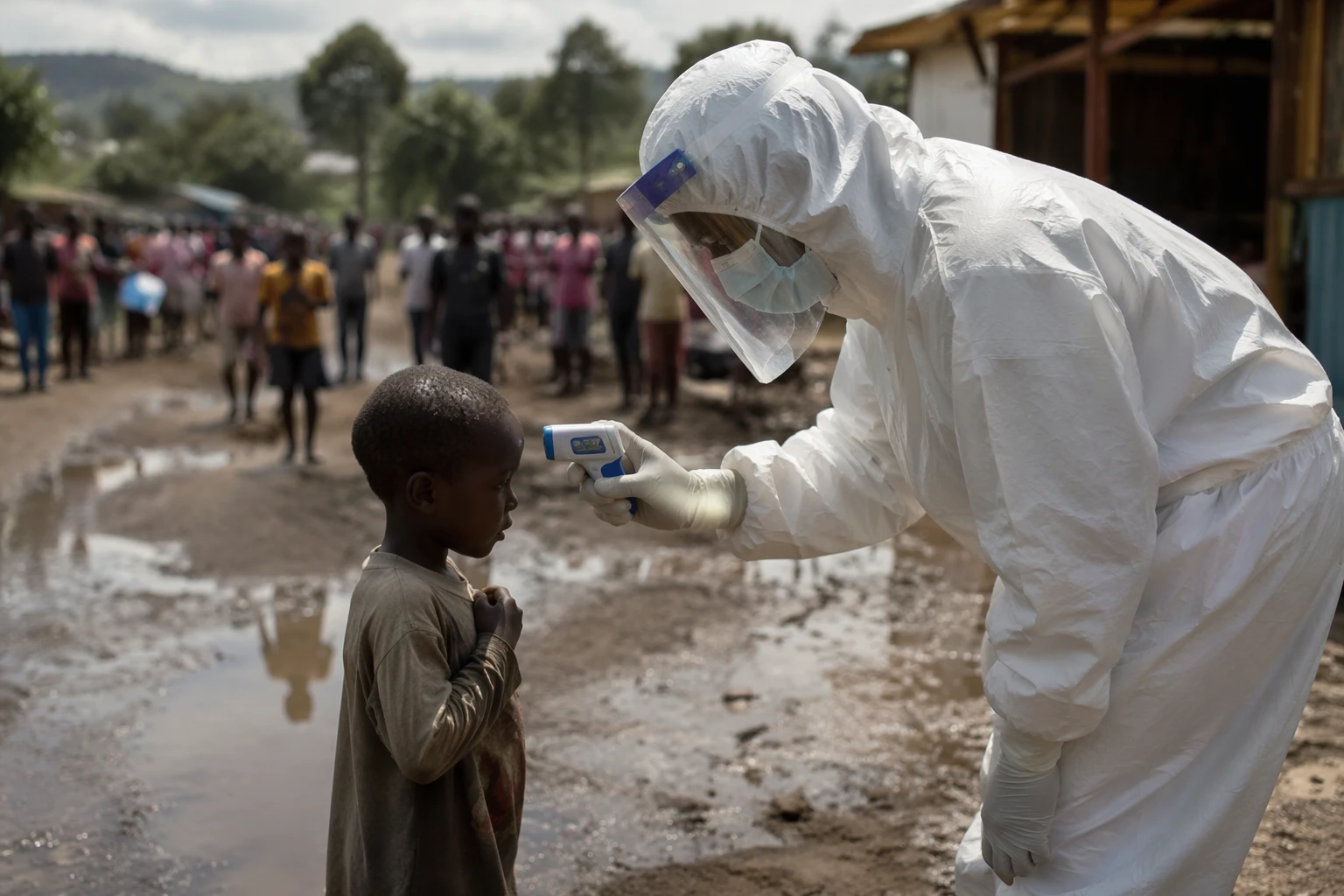
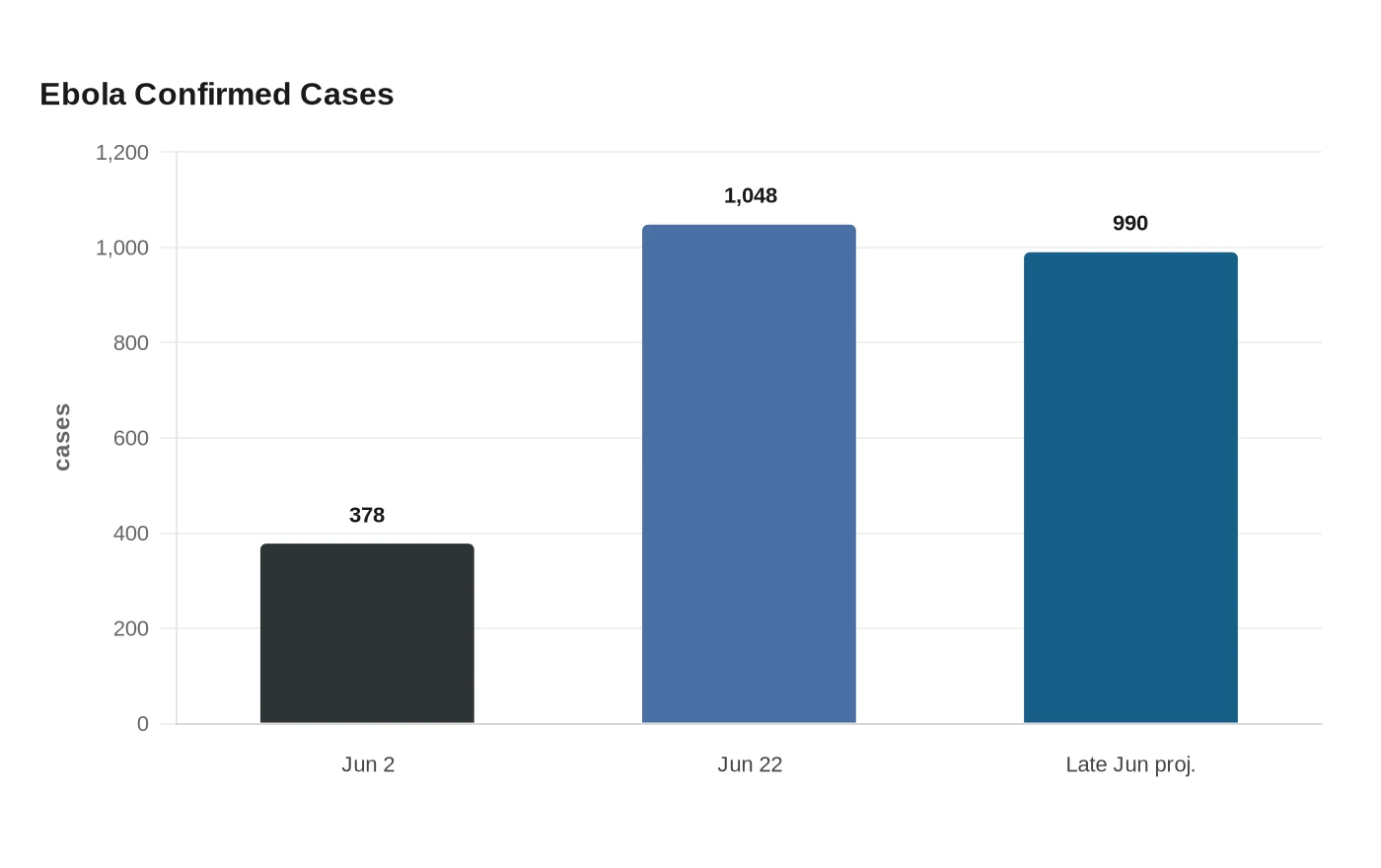
The numbers climbed quickly. The CDC reported 378 confirmed cases and 63 confirmed deaths as of June 2. By June 22, the DRC Ministry of Health had reported 1,048 confirmed cases and 267 confirmed deaths, while Uganda had confirmed local transmission. WHO modelling projected roughly 990 confirmed cases by late June in a central scenario if transmission was sustained, underscoring how quickly the outbreak had moved through the region. Officials have described it as the fastest-ever recorded Ebola outbreak, a pace that raises the risk for border districts where people move for trade, family ties and survival.
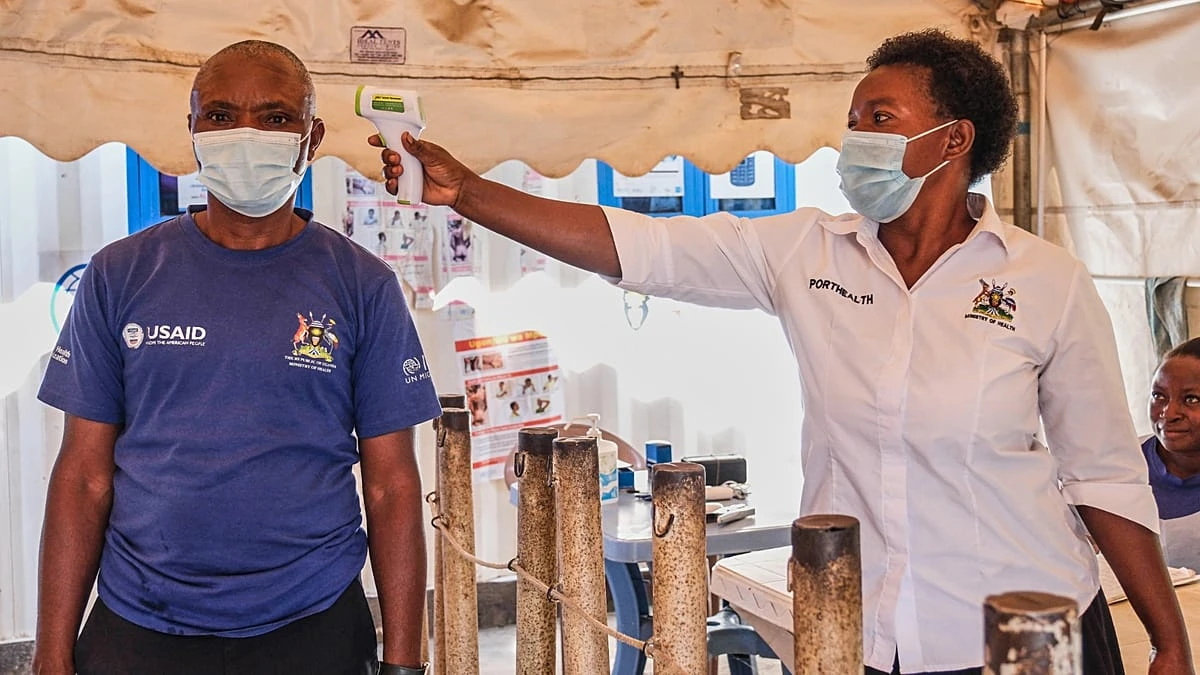
South Sudan now sits at the center of those concerns. The country already faces instability, displacement and under-resourced health services, conditions that can turn a single importation into a larger chain of transmission if isolation and contact tracing fail. WHO, the South Sudan Ministry of Health, humanitarian partners and the U.S. have activated preparedness steps that include surveillance, border screening, infection prevention and control, and tracing of contacts across the region.
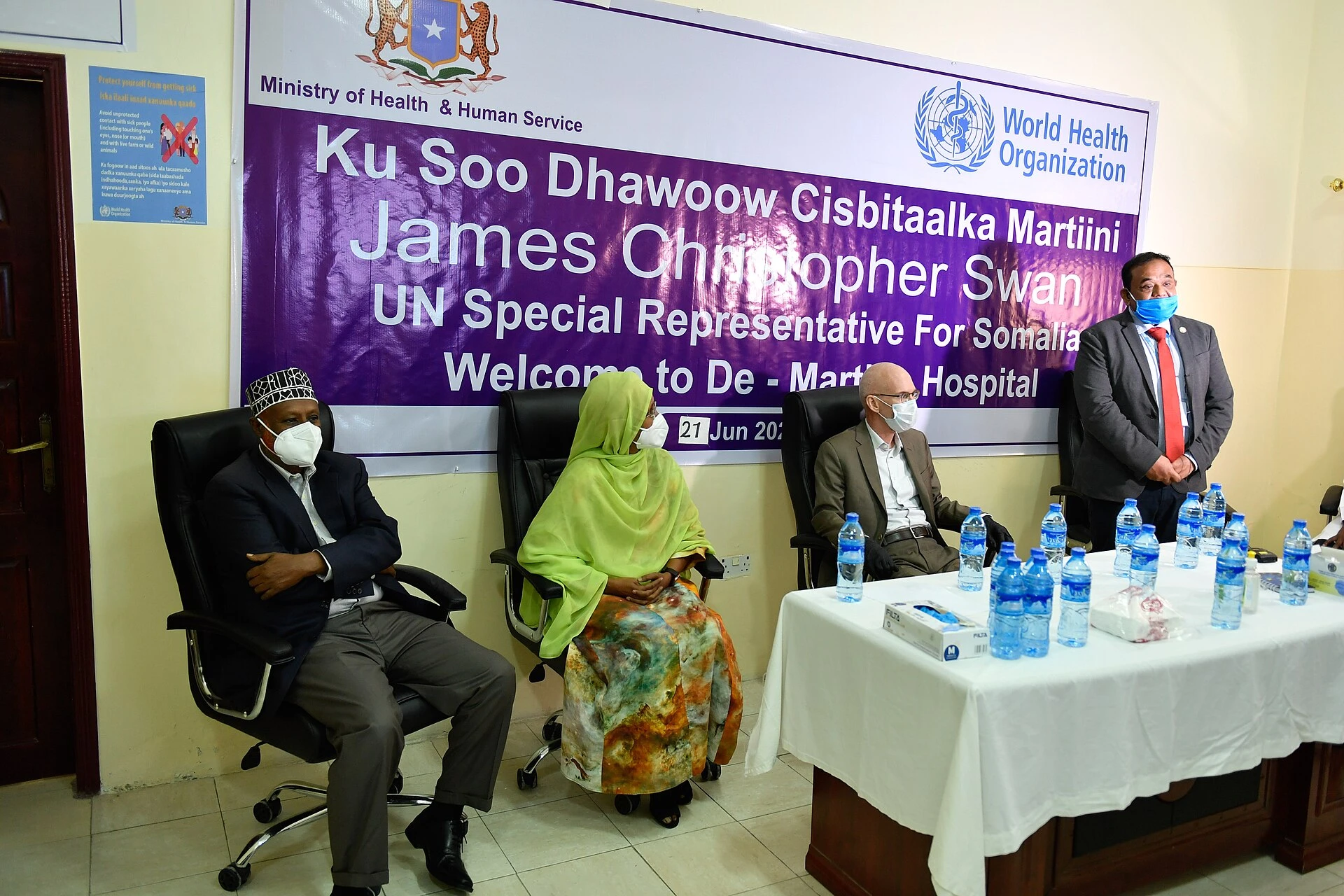
WHO and Africa Centres for Disease Control and Prevention launched a six-month continental response plan on June 5, seeking US$518 million to strengthen preparedness and rapid response from June through November. The stakes are unusually high because Bundibugyo virus has caused only two previous Ebola outbreaks. In this one, the decisive line runs through border posts, burial teams and the speed of public-health response before panic takes hold.
Sources
- [1]ca.news.yahoo.com
- [2]who.int
- [3]cdc.gov
- [4]ecdc.europa.eu
- [5]state.gov
- [6]afro.who.int