Health
Ebola Outbreak Challenges Containment Efforts
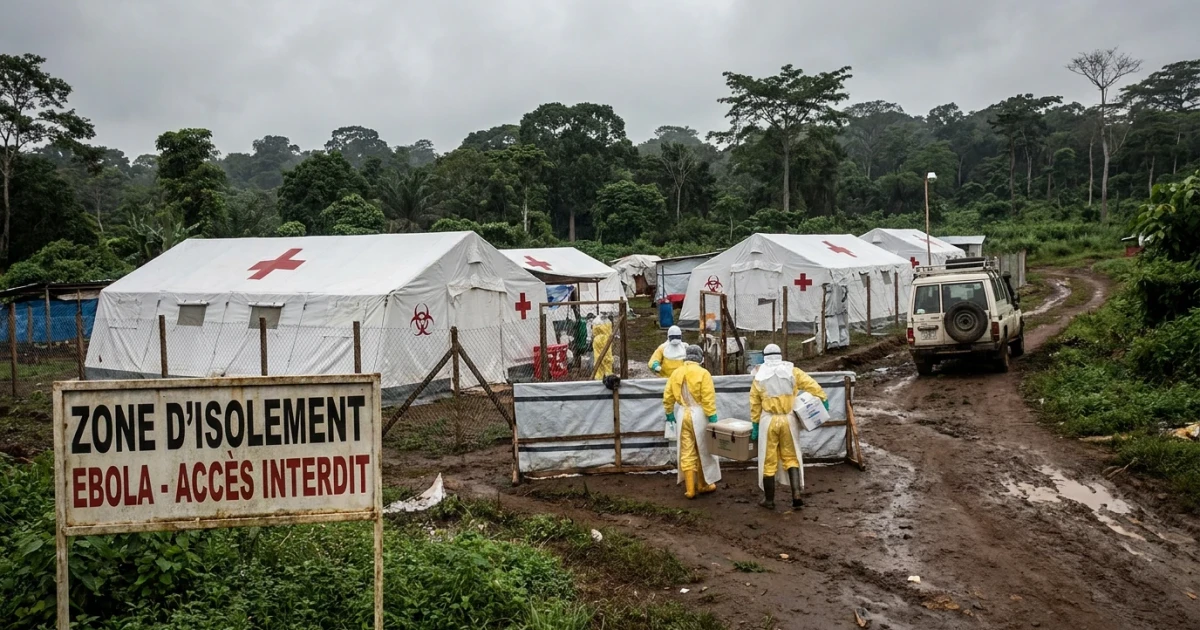
The latest Ebola outbreak in the Democratic Republic of Congo is raising alarm among global health officials and experts, with containment efforts facing unprecedented challenges due to speed, scale, and local conditions. As the virus spreads rapidly, the World Health Organization (WHO) and international partners are scrambling to address both medical and logistical obstacles that threaten to undermine the response.
Rapid Expansion and Official Concerns
WHO Chief Tedros Adhanom Ghebreyesus has voiced deep concern about the pace and scope of the outbreak, echoing sentiments shared in numerous reports including The Washington Post and The New York Times. According to the WHO Disease Outbreak News, the number of confirmed cases has risen swiftly, with the affected region experiencing a surge in new infections that outpaces previous outbreaks.
- Ebola cases have spread across multiple provinces, complicating contact tracing and isolation efforts.
- The outbreak’s fatality rate remains high, consistent with historical averages of 50% or more.
- Movement of populations within and between urban centers creates new vectors for viral transmission.
Logistical Barriers to Containment
Experts cited by The Washington Post highlight several factors making this outbreak especially difficult to contain:
- Remote and conflict-affected areas hinder deployment of medical teams and supplies.
- Distrust of authorities and misinformation about Ebola have slowed community engagement.
- Limited infrastructure makes it hard to transport vaccines, diagnostics, and protective equipment.
- Healthcare workers face heightened risks, underscoring the need for robust infection prevention protocols.
Efforts to contain Ebola rely on rapid identification, isolation, and treatment of patients, as well as coordinated humanitarian response. However, the current outbreak’s speed and geography strain these systems.
Historical Context and Epidemiological Insights
Ebola outbreaks in the region have historically posed significant challenges. According to a peer-reviewed research review, factors such as undetected transmission in rural communities and delayed reporting contributed to past failures in containment. The Democratic Republic of Congo has experienced several outbreaks since the virus was first identified, with case numbers and fatality rates varying based on response effectiveness and local conditions.
Key epidemiological trends include:
- Short incubation periods and non-specific symptoms complicate early detection.
- Community transmission often accelerates before case clusters are recognized.
- Healthcare worker infections remain a persistent challenge, leading to disruptions in care and heightened risk of secondary outbreaks.
Global Response and Forward Looking Analysis
International agencies, including the WHO and United Nations, are working to mobilize resources, coordinate surveillance, and strengthen community outreach. The U.S. government has imposed travel restrictions and pledged support for the response, underscoring the urgency of halting cross-border spread.
Despite available vaccines and improved diagnostics, the outbreak’s rapid expansion and complex local dynamics suggest containment will require sustained effort and adaptive strategies. As emphasized in recent research, successful control depends on building trust within affected communities, investing in health infrastructure, and maintaining vigilance against misinformation.
With the outbreak evolving, experts warn that continued vigilance, robust funding, and global coordination are essential to limiting further transmission and minimizing loss of life.