Health
Ebola Outbreak Challenges Response as Cases Surge
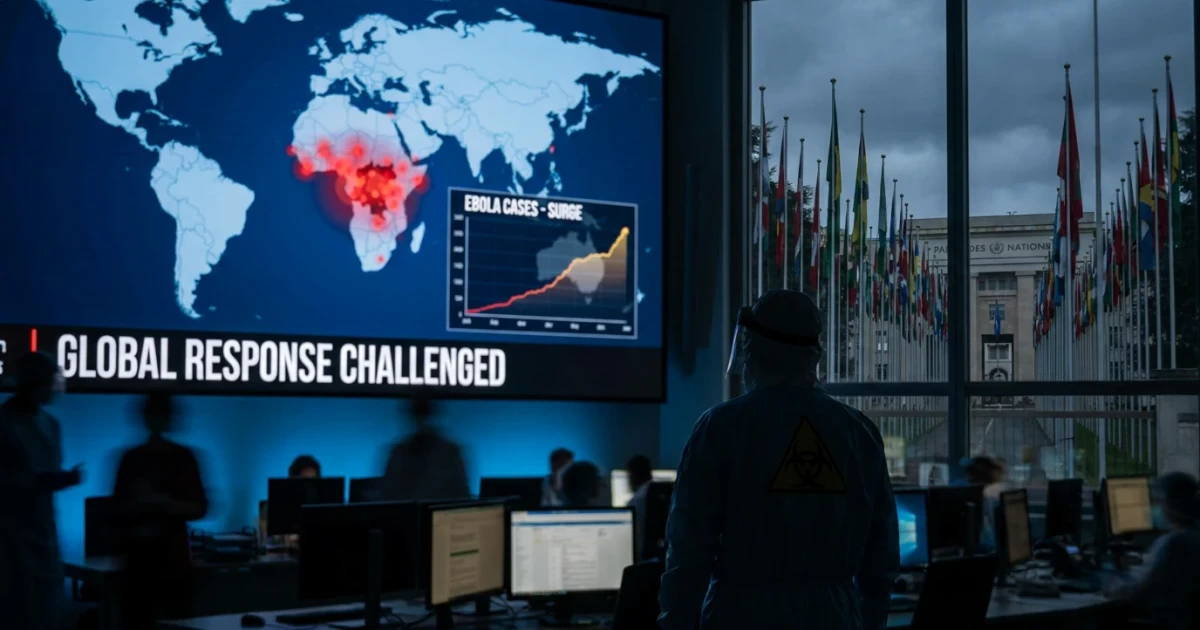
Global health authorities are grappling with a rapidly spreading Ebola epidemic, as the World Health Organization (WHO) warns that the virus is outpacing response efforts across affected regions. The situation underscores the persistent challenges faced in controlling outbreaks of Ebola virus disease, which is notorious for its high mortality rate and potential to overwhelm fragile health systems.
WHO Raises Alarm Over Escalating Crisis
The head of the World Health Organization stated that the current Ebola outbreak is expanding more quickly than authorities can respond, raising concerns about the ability to contain the epidemic. Reports from the epicenter reflect that the virus is spreading swiftly through communities, with new cases emerging faster than treatment and isolation facilities can be established.
Official WHO situation reports confirm a growing number of infections, as local and international teams race to trace contacts and implement control measures. The rapid movement of the virus is straining existing resources, with healthcare workers facing shortages of protective equipment and communities struggling to access accurate information and medical care.
Key Challenges in Containment Efforts
- Transmission in Urban Centers: The epidemic’s spread in densely populated cities has made traditional containment efforts—such as isolation and contact tracing—more complex and less effective.
- Resource Shortages: Health workers on the ground report a lack of adequate medical supplies and trained personnel, impeding the rapid scale-up of treatment units and vaccination campaigns.
- Community Resistance: In some areas, misinformation and mistrust of health authorities have slowed the acceptance of critical interventions, including safe burial practices and case reporting.
Global Response and Coordination
International agencies, including UNICEF, are mobilizing resources to support local health systems, deliver supplies, and launch public health campaigns. According to the Centers for Disease Control and Prevention’s outbreak chronology, previous Ebola epidemics have highlighted the importance of swift, coordinated action to limit the spread and reduce fatalities.
However, the current situation is exacerbated by limited access to affected communities, ongoing security concerns, and logistical hurdles in transporting medical teams and equipment. The need for real-time data and transparent communication is critical to track the epidemic’s evolution and adjust strategies as needed.
Lessons from Past Outbreaks
Peer-reviewed research in epidemiology and outbreak control emphasizes the effectiveness of early case identification, community engagement, and rapid deployment of medical countermeasures in reducing Ebola’s impact. Yet, the current outbreak demonstrates that even well-established protocols can be challenged by the virus’s speed and the realities of the local context.
Looking Forward
As the crisis unfolds, health officials are calling for increased international support and innovative approaches to curb transmission and support affected communities. The WHO chief’s warning is a stark reminder that the fight against infectious diseases like Ebola requires constant vigilance, adaptability, and global solidarity.