Health
Ebola Outbreak Expands Across Central Africa
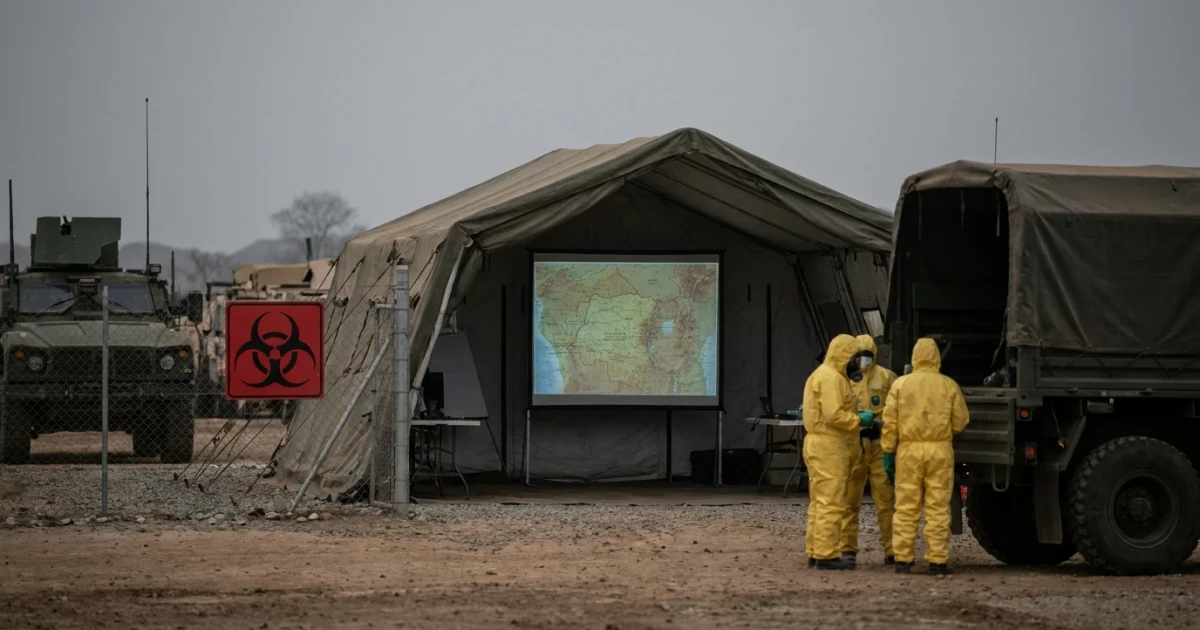
The Ebola virus outbreak in the Democratic Republic of the Congo (DRC) has now claimed at least 220 lives, according to the latest reports from health authorities, while the World Health Organization (WHO) warns that 11 countries are now at risk as the virus’s reach expands across Central Africa.
Widening Geographical Risk
Forbes reported on May 25 that the Ebola outbreak, initially concentrated in the DRC, has intensified concerns about cross-border transmission. Officials from the WHO emphasized that the disease’s spread places neighboring countries—including Uganda, Rwanda, South Sudan, and others—on high alert. The total number of countries at risk has now risen to 11, reflecting the region’s interconnectedness and the challenges of containing the virus.
According to the WHO’s official situation reports, efforts are underway to monitor border crossings, increase surveillance, and coordinate with governments across Central and East Africa. Relief agencies are also deploying additional resources to countries deemed at elevated risk.
Impact and Response in the DRC
The epicenter of the outbreak remains in the eastern provinces of the DRC, where health officials have reported the highest concentration of cases and fatalities. In addition to the 220 confirmed deaths, hundreds of suspected and confirmed cases continue to strain local health infrastructure. The latest data show that the pace of new infections remains concerning, prompting authorities to maintain strict quarantine and contact-tracing measures.
Inside the DRC, according to coverage from CNN, communities face significant hurdles: limited access to medical care, ongoing conflict, and deep mistrust of outside intervention. Humanitarian organizations, including the Red Cross and Médecins Sans Frontières, have increased outreach and education campaigns to address misinformation about the virus’s transmission and the importance of early treatment.
Regional Cooperation and Containment Challenges
- 11 countries are now officially considered at risk according to the WHO.
- The most recent situation report highlights heightened surveillance at border points and the establishment of rapid response teams in neighboring countries.
- Despite these efforts, porous borders and high population movements complicate containment, especially in areas where formal health systems are weak.
Experts cited in WHO fact sheets caution that Ebola spreads primarily through direct contact with bodily fluids of infected individuals. Quick isolation of suspected cases and safe burial practices remain critical to halting further transmission.
Looking Ahead: Risks and Global Implications
With the death toll continuing to rise and new cases being identified, the situation in the DRC is being closely monitored by international health agencies. The WHO has deployed additional epidemiologists and is working with regional governments to strengthen preparedness plans should the virus cross borders.
The expansion of the risk zone to 11 countries marks one of the largest areas of concern since the major West African outbreak of 2014-2016. According to peer-reviewed research, early detection and rapid response are among the most effective tools for curbing large-scale outbreaks. However, the current situation underscores ongoing vulnerabilities in regional health systems and the need for sustained support and coordination.
As the situation evolves, health officials urge vigilance, cross-border cooperation, and continued investment in public health infrastructure to prevent a wider crisis across Central and East Africa.