Health
Ebola Outbreak Highlights Gaps in U.S. Preparedness
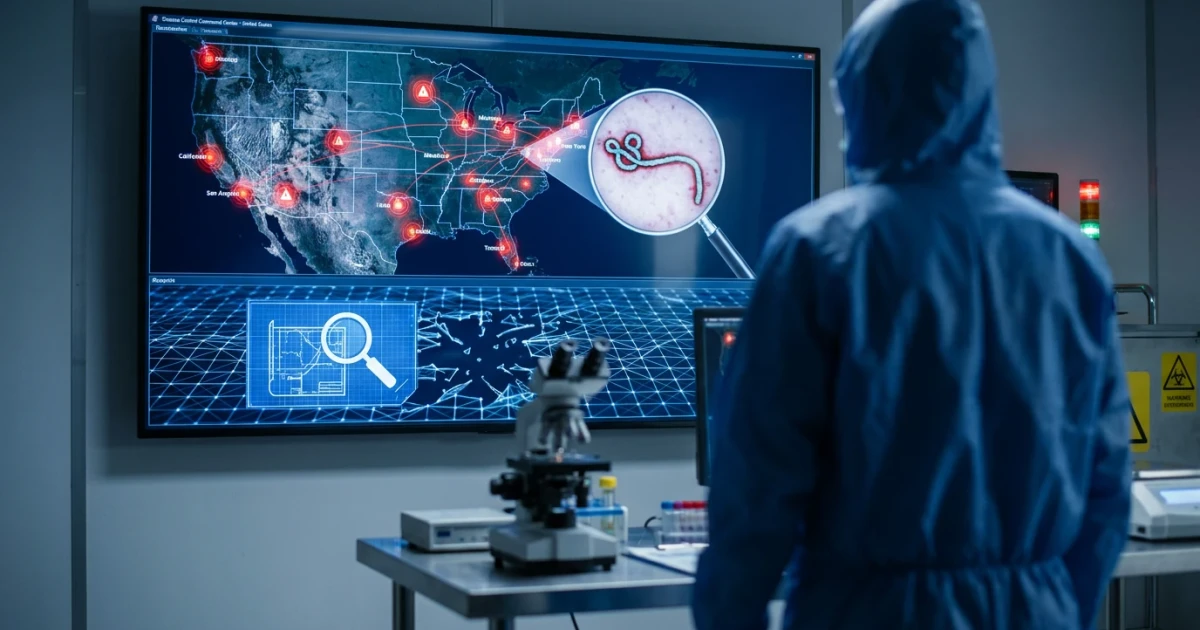
The ongoing Ebola outbreak has once again placed the United States' pandemic preparedness under the microscope, prompting urgent discussions among public health experts and policymakers about the nation's readiness to contain highly infectious diseases. As cases continue to rise globally, U.S. officials are evaluating existing protocols and response mechanisms to address potential threats domestically.
Assessing U.S. Pandemic Readiness
The Washington Post reports that federal agencies and healthcare institutions are mobilizing resources to ensure that the United States remains vigilant amid the Ebola threat. While the U.S. has previously managed imported cases successfully—most notably during the 2014 outbreak—the current situation is a stark reminder of the challenges in maintaining robust preparedness.
- The Centers for Disease Control and Prevention (CDC) has updated its infection control guidelines and continues to provide resources for Ebola response.
- Hospitals across the nation, including designated Ebola treatment centers, are conducting drills and reviewing protocols for identifying and isolating suspected cases.
- The Department of Health and Human Services (HHS) recently announced new initiatives aimed at strengthening Ebola preparedness, including increased funding for rapid response teams and enhanced training for healthcare workers.
Challenges Revealed by the Outbreak
Despite these efforts, The Washington Post notes that the outbreak has exposed several gaps in the U.S. response system:
- Coordination across agencies: Experts highlight that communication between federal, state, and local entities can be inconsistent, potentially delaying response times.
- Resource allocation: Some facilities lack adequate supplies of personal protective equipment (PPE) and specialized training, which could hinder effective containment if cases reach American soil.
- Surveillance and detection: The ability to quickly identify and isolate cases relies on up-to-date data sharing and screening protocols at points of entry.
These issues echo findings from the U.S. Government Accountability Office, which previously called for improved infectious disease preparedness, emphasizing the need for streamlined procedures and better resource distribution.
Lessons from Past Outbreaks
Public health officials and researchers often look to previous Ebola outbreaks for guidance. Data from the CDC reveals that the U.S. has only seen a handful of confirmed Ebola cases, yet the global impact—such as the Democratic Republic of Congo outbreak—underscores the importance of international cooperation and rapid response capabilities.
Peer-reviewed research on Ebola preparedness and response in the U.S. suggests that ongoing training, investments in diagnostic technologies, and public awareness campaigns are vital to minimizing risks.
Steps Forward: Policy and Practice
Policy analysts argue that the Ebola outbreak serves as a timely reminder for elected officials and health leaders to prioritize pandemic readiness. The Washington Post stresses the need for:
- Regularly updated response plans and checklists for healthcare facilities, such as those outlined by the CDC's preparedness guidance.
- Expanded training for front-line medical staff to handle suspected cases safely.
- Enhanced public communication and education to reduce misinformation and encourage timely reporting.
As the outbreak unfolds, experts caution that continued vigilance and investment in health infrastructure will be necessary to protect the country from future threats. The current Ebola situation, while largely contained internationally, offers a valuable stress test for pandemic systems and underscores the importance of preparedness at every level.
Looking Ahead
Public health authorities will continue monitoring developments and refining strategies. While the U.S. has made significant progress in recent years, the Ebola outbreak demonstrates that gaps remain—and filling them will be essential for safeguarding the nation against infectious diseases.