Health
Ebola Outbreak in DR Congo Claims Over 130 Lives
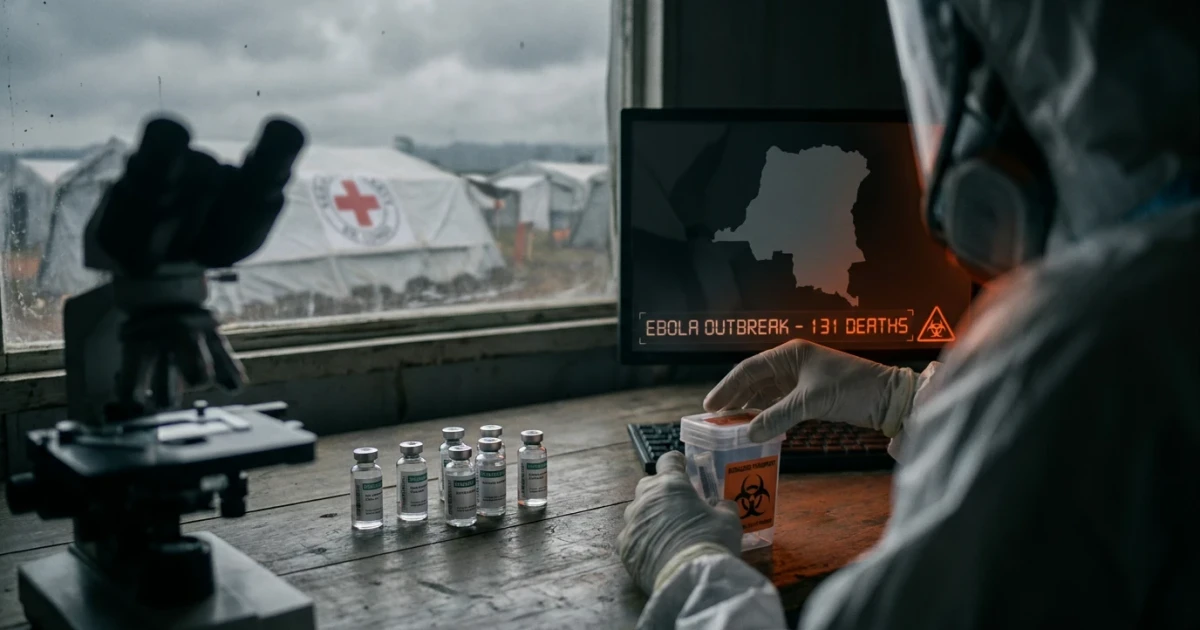
At least 131 people have died in the latest Ebola virus disease outbreak in the Democratic Republic of the Congo (DRC), according to official figures reported by the BBC. The rising death toll and swift spread of infections have triggered alarm among global health organizations, with the World Health Organization (WHO) chief expressing deep concern over the scale and pace of the crisis.
Rapidly Rising Case Numbers and Widespread Impact
The ongoing outbreak, first detected earlier this year, has intensified in recent weeks. BBC coverage, corroborated by other international media, highlights that the number of confirmed and suspected cases continues to climb, raising fears of further escalation. According to the latest official outbreak reports from the WHO, the disease has spread across several provinces in the DRC, affecting both urban and rural communities.
- At least 131 deaths have been officially recorded
- The outbreak’s epicenter is located in eastern provinces, an area previously impacted by Ebola
- Both confirmed and probable cases are being tracked by health authorities
Data from the Centers for Disease Control and Prevention (CDC) shows that the DRC has faced multiple Ebola outbreaks in the past decade, with the current episode ranking among the most severe in recent years.
International Response and Challenges
WHO Director-General Tedros Adhanom Ghebreyesus has described the international community as "deeply concerned" about the speed and scale of the outbreak. The organization has mobilized emergency teams and resources to the affected regions. However, response efforts are hampered by logistical difficulties, ongoing conflict in some areas, and challenges in reaching remote communities.
The DRC’s Ministry of Health, with support from WHO and international partners, has initiated a comprehensive response including:
- Case identification and contact tracing
- Community engagement and risk communication
- Deployment of rapid diagnostic tests and mobile laboratories
- Vaccination campaigns targeting high-risk individuals
According to the latest situation reports, vaccination efforts have helped slow the spread in some areas, but gaps remain in coverage—particularly in conflict-affected zones.
Understanding Ebola and Its Spread
Ebola virus disease is an often-fatal illness characterized by fever, bleeding, and organ failure. It spreads through direct contact with bodily fluids of infected individuals or contaminated materials. The DRC is one of several central African countries with a history of Ebola outbreaks, with previous incidents in 2018, 2020, and 2022.
According to the WHO Global Health Observatory, the average case fatality rate for Ebola hovers around 50%, but can range from 25% to over 80% depending on the outbreak and available medical resources.
Looking Ahead: Containment Efforts and Global Vigilance
Health officials are urging continued vigilance and support to prevent further spread within the DRC and to neighboring countries. With case numbers rising and the death toll mounting, international agencies emphasize the need for sustained funding, security for responders, and rapid scale-up of vaccination and treatment services.
The trajectory of the outbreak remains uncertain, but lessons from past emergencies highlight the importance of local engagement, robust surveillance, and swift deployment of medical countermeasures. Ongoing updates from the WHO Disease Outbreak News will be critical for tracking progress and informing the global community.