Health
Ebola outbreak in DR Congo spreads, no licensed vaccine exists
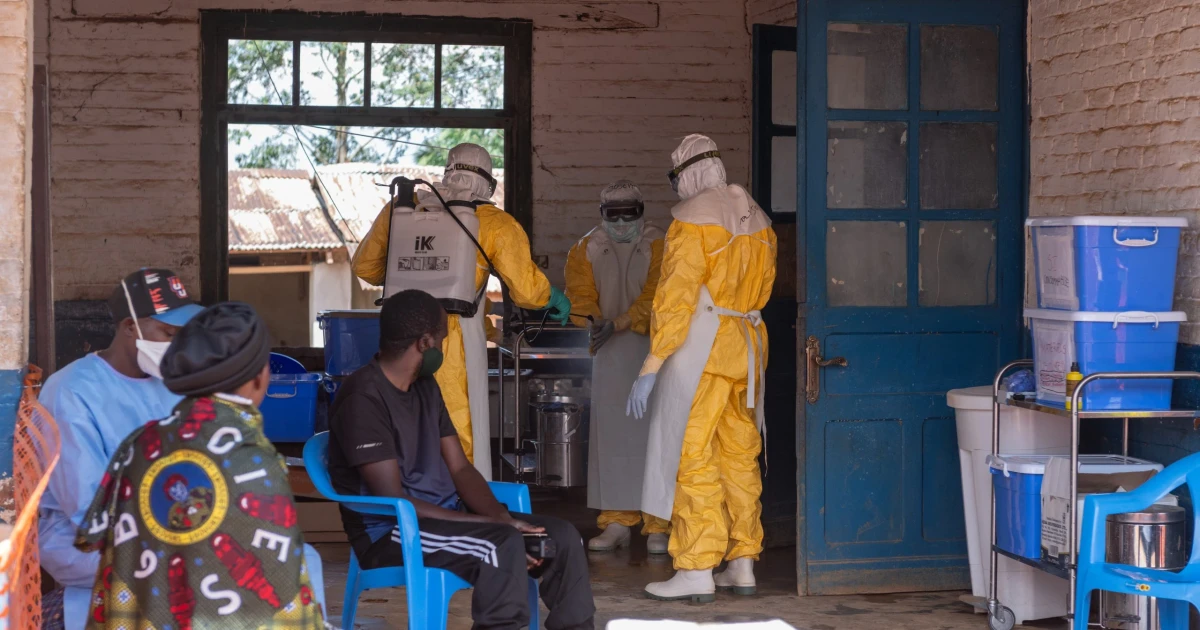
Ebola is spreading through eastern Congo’s camps and health zones because the hardest barrier is not the virus alone but the trust gap around it. In Ituri Province, where families have been displaced by violence and health services are already fragile, responders have faced threats, delays in burial care and broken contact tracing. That makes this outbreak more than a local emergency: it is a test of whether Congo’s strained public health system can stop a rare Ebola strain before it moves farther across the region.
The crisis began with a high-mortality cluster of an unknown illness in Mongbwalu Health Zone. WHO was first alerted on 5 May 2026, after deaths were reported among health workers; the first suspected case, also a health worker, developed symptoms on 24 April 2026. Ten days later, the Democratic Republic of the Congo declared its 17th Ebola outbreak after the Institut national de recherche biomédicale confirmed Bundibugyo virus disease in 8 of 13 blood samples from Rwampara Health Zone.
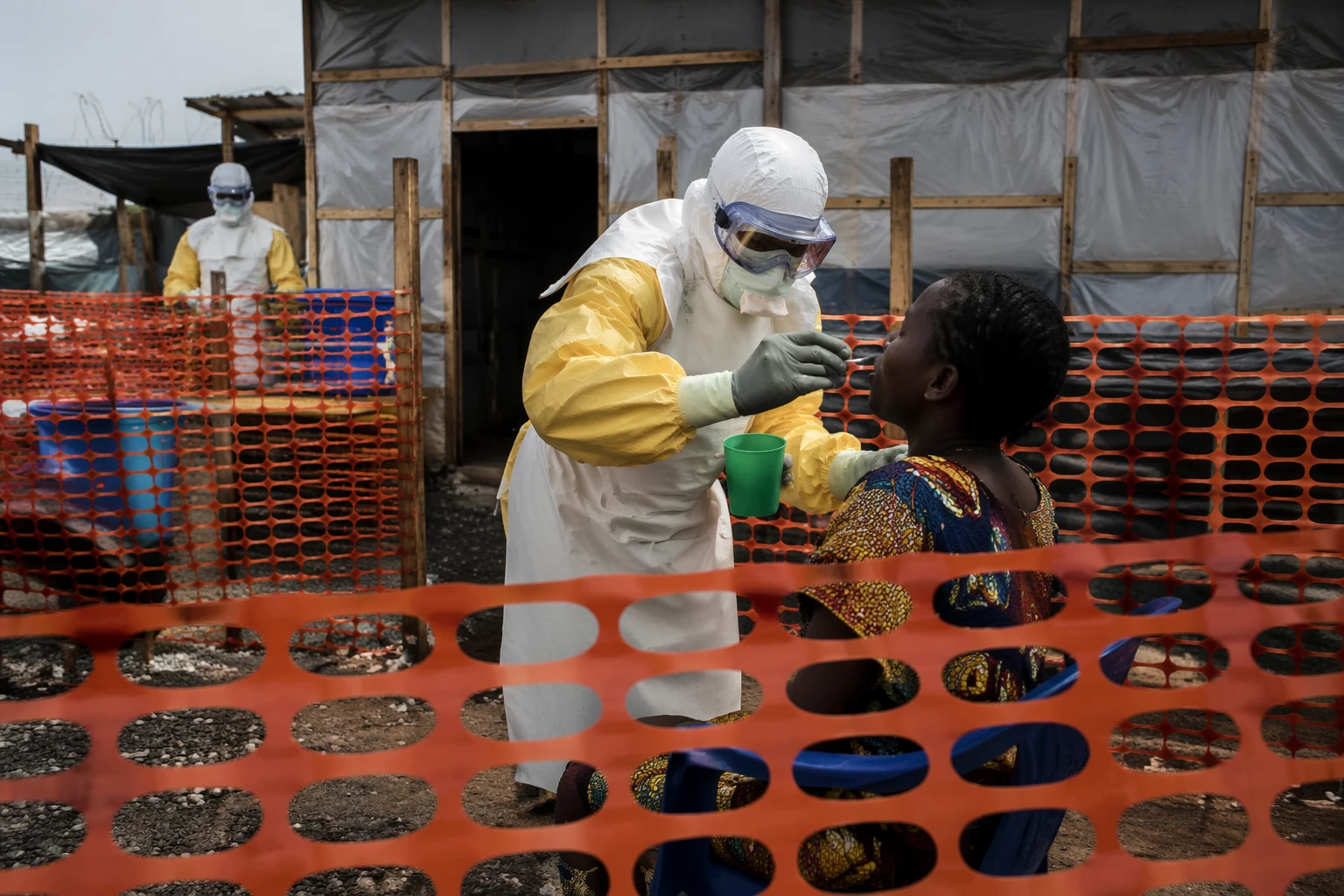
Bundibugyo Ebola is especially worrying because there is still no licensed vaccine or specific therapeutic for the strain, although early supportive care can save lives. WHO has said past Bundibugyo outbreaks have had case fatality rates between 30% and 50%. That means every delay in finding patients, isolating them and tracing contacts can carry a steep cost, especially in places where people move frequently for mining, trade and survival.
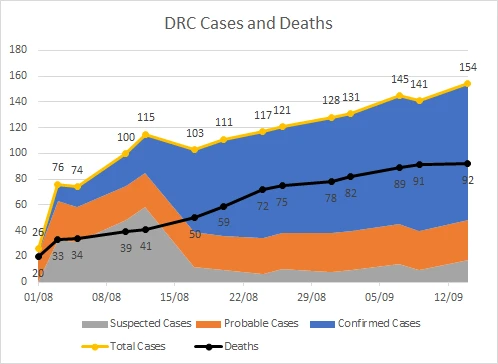
The outbreak’s scale widened quickly. WHO declared it a Public Health Emergency of International Concern on 17 May, and the first International Health Regulations Emergency Committee met two days later. By 21 May, WHO reported 746 suspected cases and 176 suspected deaths in Congo. By 11 June, the European Centre for Disease Prevention and Control said the country had 676 confirmed cases and 136 confirmed related deaths, with Ituri still the hardest-hit province and cases also recorded in North Kivu and South Kivu.
The human stakes are visible in the response itself. On 5 June, health teams trying to bury a person who died from Ebola were threatened in one village and forced to leave after residents said the disease was caused by witchcraft or distrusted responders. That kind of resistance can turn a containment effort into a wider transmission chain, especially when safe burials are interrupted and infected bodies are handled outside protocol.
The outbreak has already crossed borders. Uganda confirmed imported cases from Congo, and by 11 June had 19 confirmed cases and 2 deaths. A United States national working in Congo also tested positive and was transferred to Germany for care. CDC says the risk to the American public and travelers remains low, but the signal from eastern Congo is clear: if infections keep spreading into new health zones, overwhelm isolation units and keep outrunning surveillance, this outbreak could become far deadlier than the first numbers suggest.
Sources
- [1]news.google.com
- [2]who.int
- [3]news.un.org
- [4]ecdc.europa.eu
- [5]cdc.gov