Health
Ebola Outbreak in DRC and Uganda Becomes Third Largest on Record
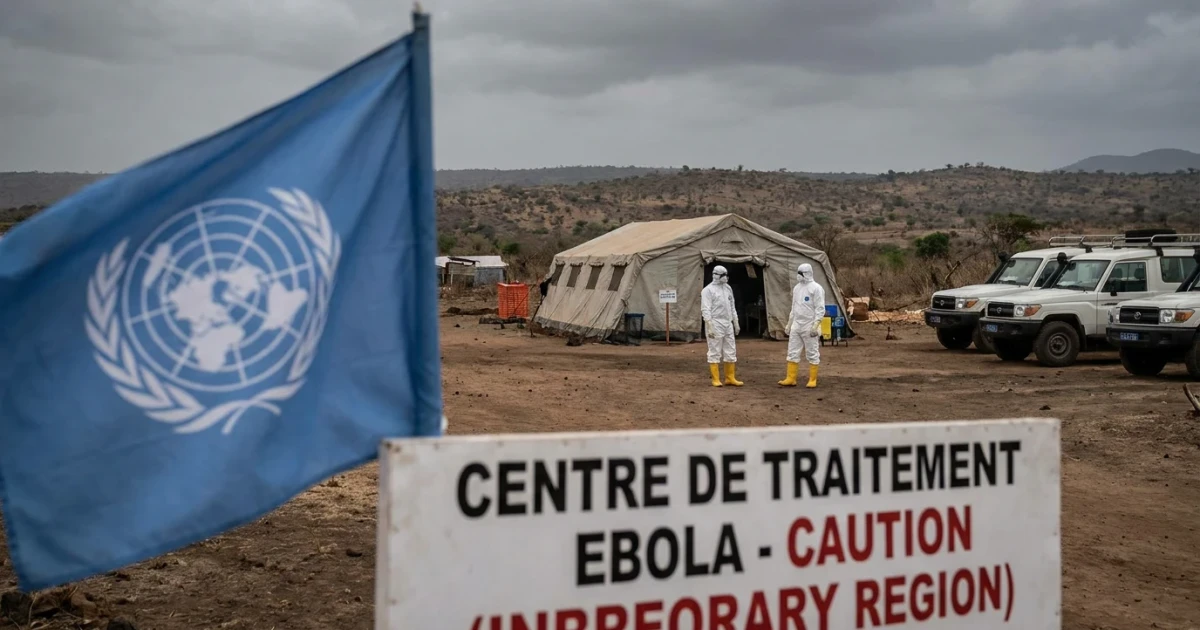
A recent Ebola outbreak affecting both the Democratic Republic of the Congo (DRC) and Uganda has rapidly escalated, now ranking as the third largest Ebola outbreak ever recorded. The crisis has drawn international concern and intensified efforts from health organizations to contain the spread and prevent further loss of life.
Historical Context and Scope of the Outbreak
The DRC has faced numerous Ebola outbreaks since the disease was first identified in 1976. The nation has developed extensive experience in disease management, but the current outbreak's scale and cross-border spread into Uganda have made containment more challenging. According to the European Centre for Disease Prevention and Control (ECDC), the outbreak's rapid growth and geographic range have contributed to its severity and complexity.
- The ongoing outbreak is surpassed in size only by the West African epidemic (2014-2016) and the 2018-2020 DRC outbreak, making it the third largest in global history, based on CDC data.
- Both the DRC and Uganda have reported a rising number of confirmed and suspected cases, prompting cross-border collaboration and international response measures.
Response Efforts and Challenges
Efforts to contain the outbreak have mobilized local health authorities, the World Health Organization, and international partners. Strategies include case isolation, contact tracing, community engagement, and the deployment of Ebola vaccines where possible. However, the outbreak has underscored persistent challenges:
- Poor infrastructure and security issues in affected regions complicate the delivery of medical care and resources.
- Stigma and misinformation continue to hinder reporting and cooperation in some communities.
- The cross-border nature of this outbreak has required coordinated international efforts to manage surveillance and response activities.
Understanding Ebola Virus Disease
Ebola virus disease is a severe, often fatal illness in humans, marked by sudden fever, weakness, muscle pain, and, in many cases, internal and external bleeding. The virus is transmitted through direct contact with bodily fluids of infected individuals or contaminated materials. For readers seeking more detail, the WHO provides an in-depth explainer on symptoms, transmission, and prevention strategies.
Regional and Global Impact
The current outbreak's impact extends beyond immediate health concerns. Economic disruption, strain on local health systems, and regional instability are ongoing risks. The collaborative response includes not only medical intervention but also support for affected communities, as outlined in UN situation reports.
Looking Ahead
With the outbreak now recognized as the third largest in history, experts stress the importance of sustained vigilance and investment in public health infrastructure. The lessons learned from previous epidemics are informing the current response, but health authorities caution that the situation remains dynamic.
Continued monitoring, rapid response, and community engagement will be critical to stopping the outbreak and preventing future flare-ups. For a comprehensive overview of outbreak patterns and strategies, readers can consult recent research on Ebola in Africa.