Health
Ebola Outbreak in DRC Raises Fears of Record Death Toll
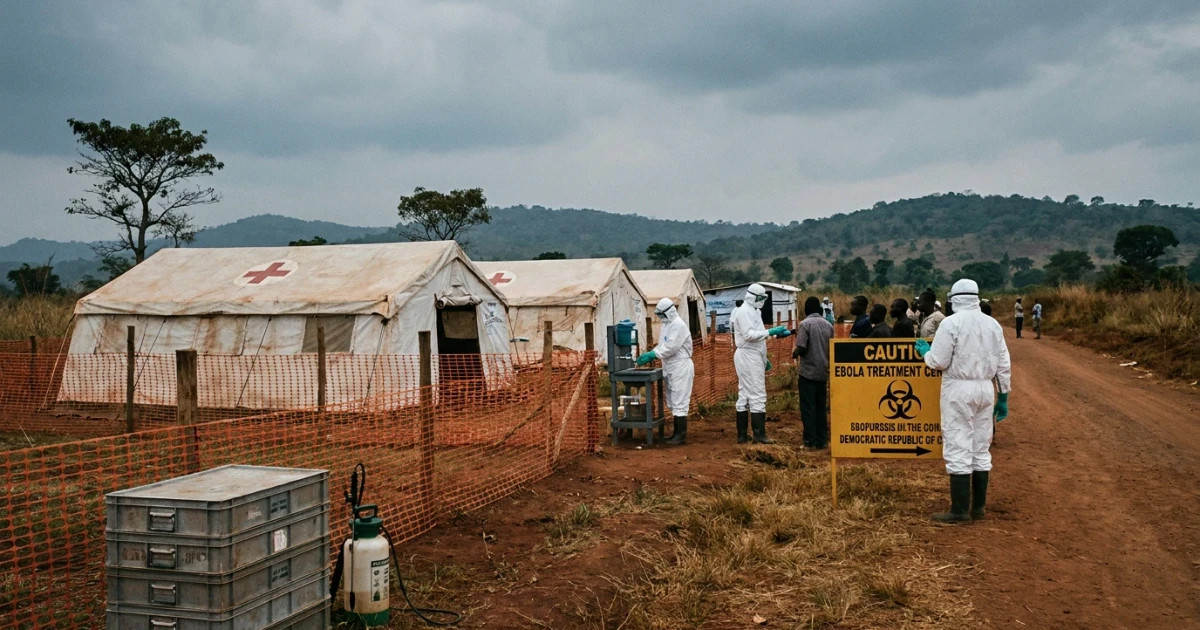
Concerns are mounting among global health organizations as the current Ebola outbreak in the Democratic Republic of the Congo (DRC) threatens to become the deadliest in history. Humanitarian groups, alongside government and international agencies, are intensifying their response as case counts rise and the risk of regional spread increases.
Escalating Outbreak Raises Alarm
Forbes reported on warnings issued by humanitarian groups, highlighting that the outbreak’s rapid growth could surpass previous records for Ebola-related fatalities if not urgently contained. The situation in the DRC remains fluid, with case numbers and fatalities continuing to climb each week. According to the World Health Organization’s situation reports, the cumulative toll of cases and deaths is approaching figures seen in past major outbreaks, including the devastating 2014-2016 West Africa epidemic.
- Case fatality rates for Ebola have historically ranged from 25% to 90%, with the average around 50% according to WHO fact sheets.
- The CDC’s chronology of Ebola outbreaks lists the 2014-2016 epidemic as the deadliest, with over 11,000 deaths.
- Current response efforts in the DRC are focused on limiting transmission and preventing similar outcomes.
Screening Measures and International Response
As the outbreak intensifies, the U.S. Centers for Disease Control and Prevention (CDC) has called for staff volunteers to assist with Ebola screenings at airports, particularly for travelers arriving from the DRC. This step, as reported by Forbes, is part of a broader initiative to detect imported cases early and prevent further international spread.
At the same time, the United Nations Office for the Coordination of Humanitarian Affairs (UN OCHA) is coordinating logistics, medical supplies, and community outreach programs. These efforts include monitoring border crossings, deploying rapid response teams, and supporting local health infrastructure to manage both patient care and containment activities.
Challenges Facing Outbreak Control
Despite ongoing efforts, several factors complicate the control of the outbreak:
- Geographic spread: The outbreak spans remote and densely populated areas, making contact tracing and safe burials logistically difficult.
- Misinformation and community resistance: Some communities remain skeptical of intervention efforts, slowing down vaccination campaigns and reporting of cases.
- Healthcare infrastructure: The DRC’s healthcare system faces resource constraints, as highlighted in WHO’s situation reports, challenging the nationwide scale-up of effective interventions.
Comparisons to Previous Outbreaks
Historical data from the CDC Ebola statistics portal underscore the gravity of the situation. The ongoing outbreak’s trajectory, if unmitigated, could rival or even exceed the 2014-2016 epidemic in West Africa, which remains the world’s largest Ebola outbreak to date. The key difference, health officials note, is the availability of vaccines and improved treatment protocols, which have already saved lives in the current crisis but require robust delivery and public acceptance to reach full potential.
Looking Ahead
With case numbers mounting, authorities are urging global support for the DRC’s response. Experts emphasize that containment is still possible with coordinated international action, community engagement, and continued vigilance at points of entry. The coming weeks will be critical in determining whether the outbreak can be brought under control or whether it will mark a new, more tragic chapter in the history of Ebola virus disease.