Health
Ebola outbreak in eastern Congo may be far larger than official count
Health workers in eastern Congo still cannot say how large the Ebola outbreak has become. Insecurity, missing laboratory data and weak contact tracing have left responders with only a partial map of transmission, even as the Democratic Republic of the Congo has reported 782 confirmed cases and 181 deaths, a toll that already makes this the third-deadliest Ebola outbreak on record.
The uncertainty is not academic. Médecins Sans Frontières said the government’s figures likely understate the real situation, and Kate White, the group’s emergency medical coordinator, said: “No one knows the true scale or exactly where the disease is spreading in DRC.” A senior Congolese public health official said the virus may have been circulating since February, long before authorities formally recognized the outbreak, and that some people are still dying in the community without ever being counted.
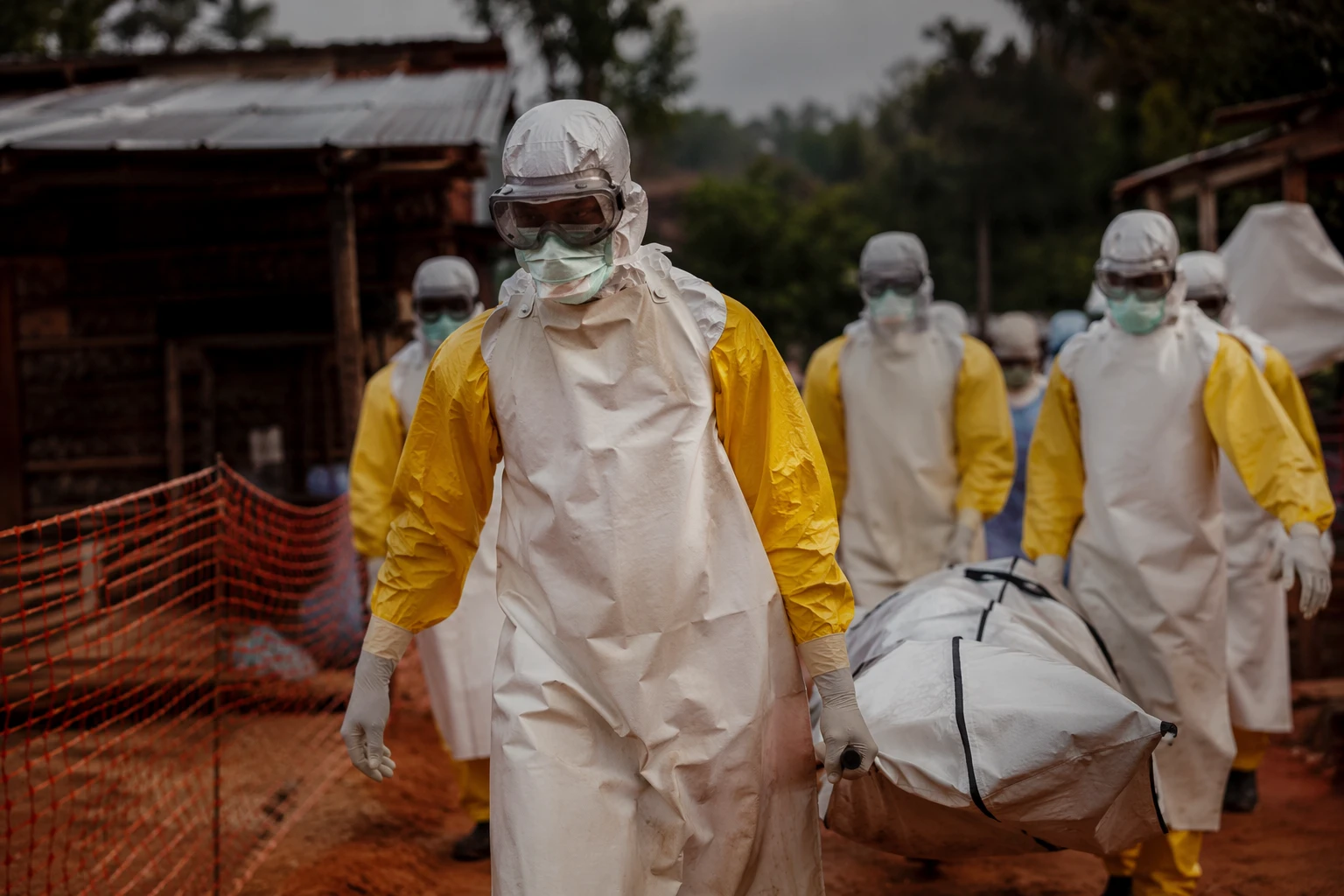
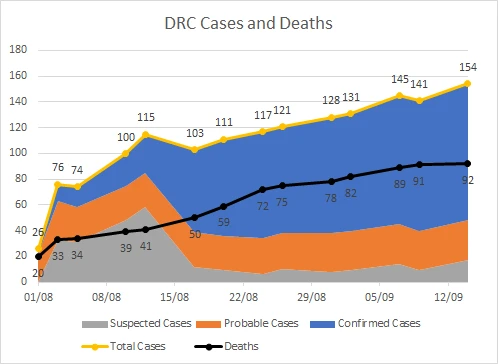
The World Health Organization confirmed the outbreak in the Democratic Republic of the Congo and Uganda in May and identified it as being caused by Bundibugyo virus, a strain with no approved vaccine or specific treatment. In its June 6 update, the agency said Congo had reported 515 confirmed cases and 91 deaths, while Uganda had recorded 19 confirmed cases, two deaths and one probable death. By June 13, Congo’s health ministry had lifted its tally to 782 confirmed cases and 181 deaths, with 359 people hospitalized in isolation. The European Centre for Disease Prevention and Control said that between June 12 and June 15, Congo reported 106 new confirmed cases and 45 new deaths.
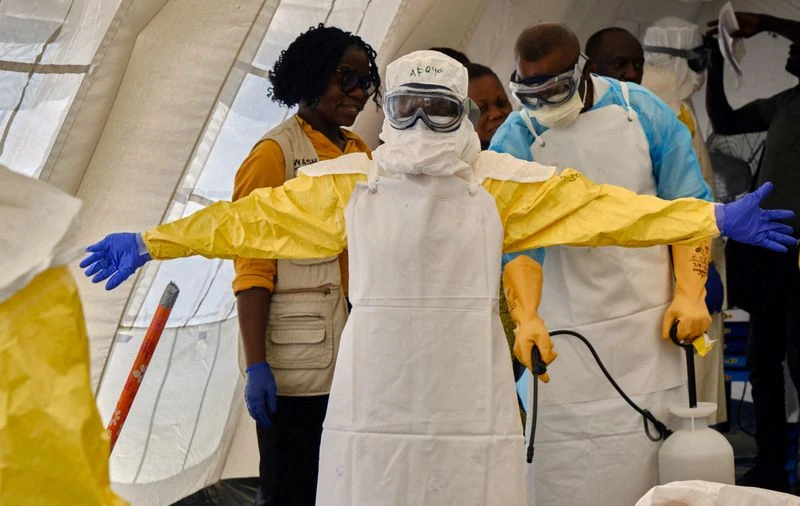
The outbreak has struck a difficult stretch of eastern Congo, where humanitarian crisis, remoteness, population density and insecurity are complicating surveillance. MSF said on June 15 that major gaps in diagnosis, contact tracing and community engagement were still undermining the response, even after a scale-up of operations. WHO Director-General Tedros Adhanom Ghebreyesus said in early June that the outbreak showed signs of progress, but testing, surveillance, vaccine development and public trust remained major challenges.

The consequences reach beyond the epicenter. Cross-border transmission has already pushed Congo and Uganda to deploy a mobile laboratory and clinic near the frontier, while Oxfam warned that the epidemic may be larger than official figures suggest in communities where only one in five people have access to clean water. If surveillance keeps failing in conflict zones, Ebola can spread far ahead of the official count, and by the time the numbers catch up, containment becomes far harder.