Health
Ebola outbreak worsens in Congo and Uganda amid misinformation fears

Health workers in Congo and Uganda are fighting two outbreaks at once: Ebola and the rumors that keep patients away from clinics, contacts hidden, and response teams distrusted. The virus is a Bundibugyo strain with no approved vaccine or specific treatment, and the case count has surged since both countries confirmed infections on 15 May.
The Democratic Republic of the Congo declared its 17th Ebola outbreak after laboratory confirmation in eight samples, while Uganda confirmed an imported case from the DRC the same day. The World Health Organization said the crisis has unfolded in a difficult setting marked by humanitarian strain, insecurity, a remote and densely populated area, and heavy movement across borders, conditions that make surveillance, contact tracing, community engagement and border preparedness central to stopping spread.
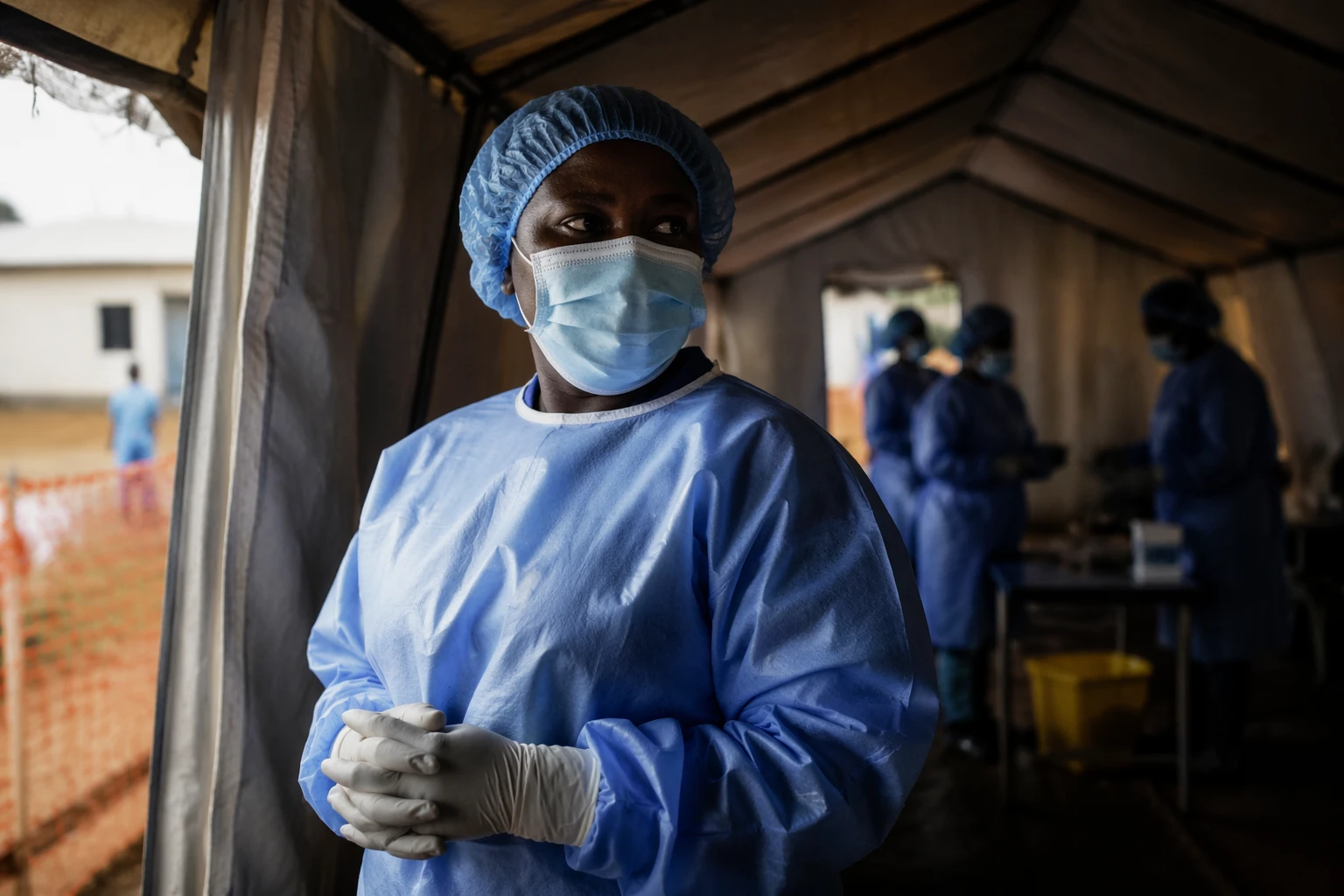
Global and regional health authorities moved quickly. WHO declared the epidemic a public health emergency of international concern on 17 May, and Africa CDC followed on 18 May with a Public Health Emergency of Continental Security. WHO said the outbreak’s progress in Uganda was epidemiologically linked to transmission from the DRC, with imported infections feeding secondary spread among contacts and health workers.
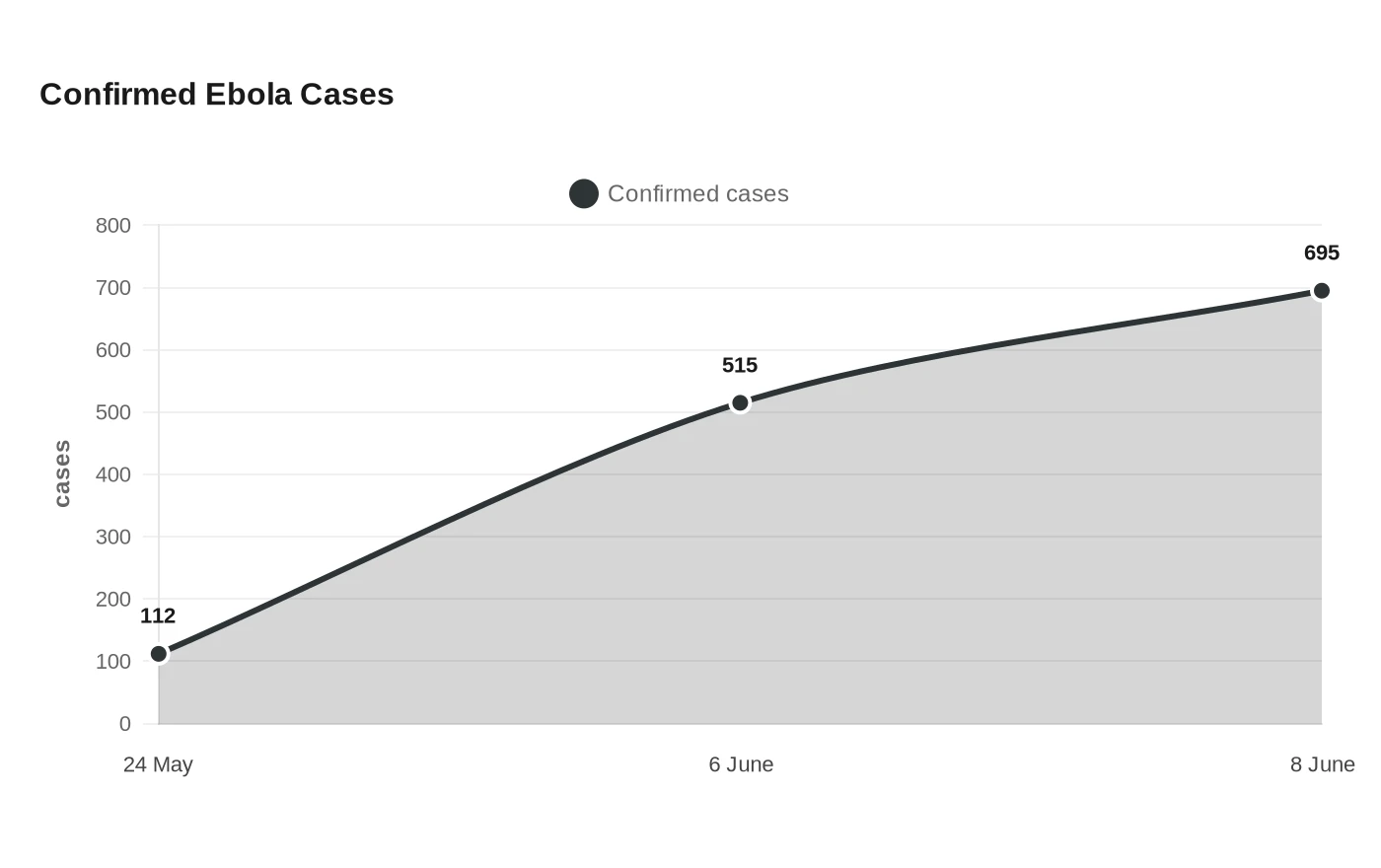
The numbers have shifted almost as fast as the response. WHO reported 515 confirmed cases and 91 deaths as of 6 June, then 695 confirmed cases and 138 deaths by 8 June, including 676 confirmed cases in the DRC and 19 in Uganda, with at least 37 recoveries. UNICEF said that as of 24 May there had been 906 suspected cases, 112 confirmed cases, 223 suspected deaths and 11 confirmed deaths, a sign of how rapidly testing has been changing the picture on the ground.
Officials and partners have tied much of the response to the fight against misinformation. WHO has said accurate, science-based information and trusted public health guidance remain critical, while U.S. response partners are supporting contact tracing, point-of-entry screening, clinic-level response and community education to counter false beliefs about how Ebola spreads. FHI 360 said it reached more than 1,200 people in the DRC through community dialogues in schools and prisons to dispel rumors, build trust in Ebola treatment centers and improve awareness of prevention measures.
That trust problem matters because this is not a routine Ebola flare-up. WHO has said prior Bundibugyo outbreaks carried case fatality rates of 30% to 50%, and the current outbreak is testing health systems already strained by conflict and mobility. In Congo and Uganda, rumor control is not a side task; it is part of outbreak containment.
Sources
- [1]cbsnews.com
- [2]who.int
- [3]africacdc.org
- [4]unicef.org
- [5]state.gov
- [6]usau.usmission.gov
- [7]news.un.org