Health
Ebola response workers protest unpaid wages as outbreak spreads in Congo
Ebola response workers in northeastern Democratic Republic of Congo protested outside three treatment centers in Bunia on Thursday, saying they had not been paid all they were owed since the outbreak began. Dozens gathered outside the Centre Medical Evangelique, Elikya and Salama treatment centers in Ituri Province, and police dispersed one protest outside the CME center.
The wage dispute landed as the outbreak kept spreading. Government data released on Wednesday put the toll at 1,759 infections and 600 confirmed deaths since Ebola was declared almost two months ago. The World Health Organization warned transmission was still continuing and that the Bundibugyo strain kills 30% to 50% of people infected, with no licensed vaccine or specific cure.
Health Minister Samuel Roger Kamba acknowledged problems in the response’s human resources pillar, especially keeping payment lists accurate and updated. Talks were continuing with workers who had threatened to strike, but no strike had begun. In a July 5 letter, the workers wrote that they had not been paid since May 15, the day the outbreak was declared, and said the delays had caused “significant socio-economic difficulties.” They also said the unpaid allowances had weakened their living conditions and did not reflect the risks and workload involved.
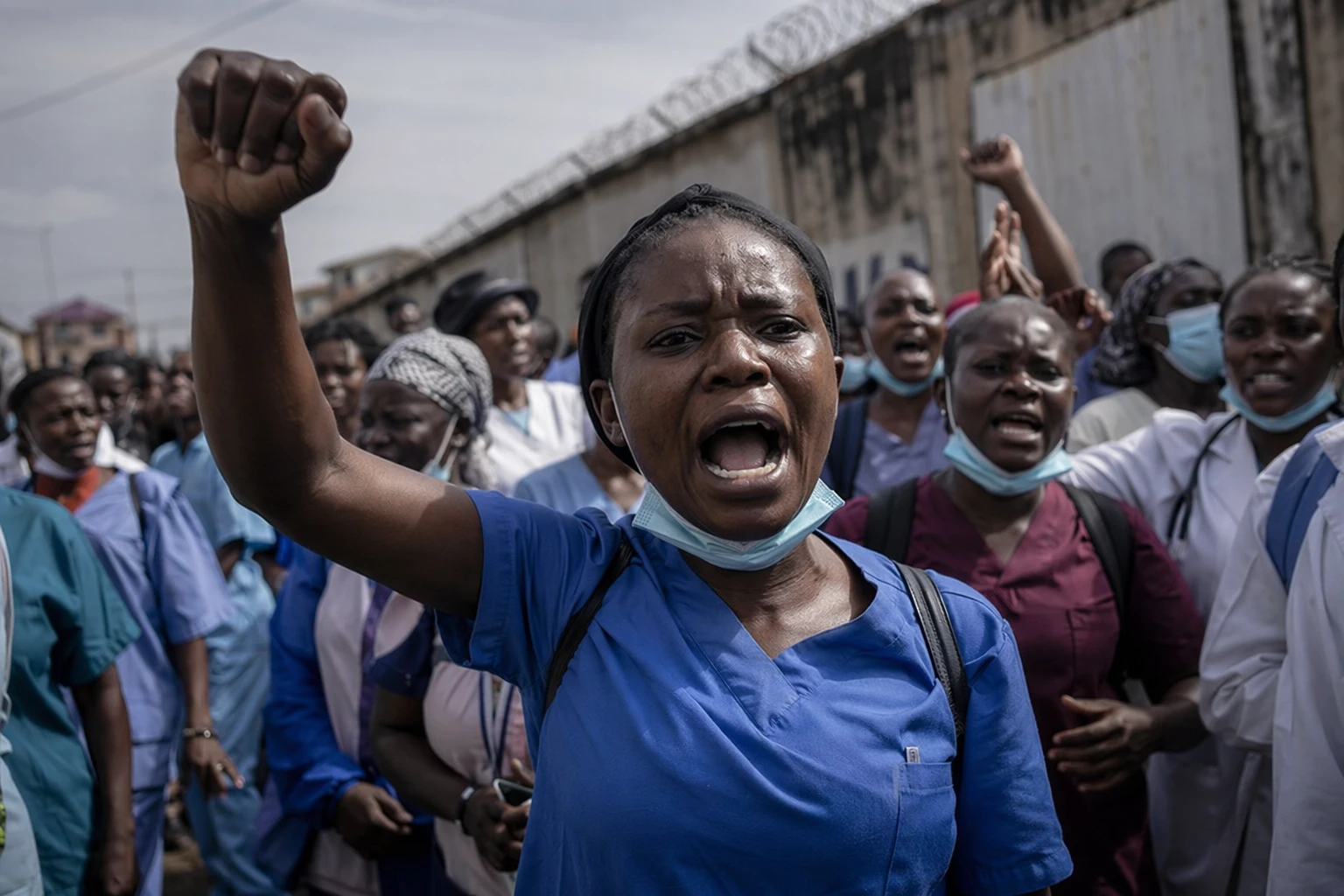
The workers asked for higher daily allowances and the removal of tax deductions, arguing that the payments should be treated as bonuses rather than salaries.
The World Health Organization counted this as the Democratic Republic of Congo’s 17th Ebola outbreak since 1976. The outbreak was declared a Public Health Emergency of International Concern on May 17. As of July 1, the agency had recorded 1,460 confirmed cases and 452 deaths, with infections reported in 36 health zones across Ituri, North Kivu and South Kivu. Health and care workers accounted for 102 confirmed cases.

On July 2, patient enrolment began in the PARTNERS clinical trial in the DRC, testing the monoclonal antibody MBP134, remdesivir and the two drugs in combination. By July 7, more than 10,000 contacts were being monitored, treatment centers were at saturation point, Ituri’s needs could not all be met and ambulances were in short supply.
Sources
- [1]usnews.com
- [2]who.int
- [3]afro.who.int
- [4]news.un.org