Health
Ebola testing runs short in Congo as outbreak spreads rapidly
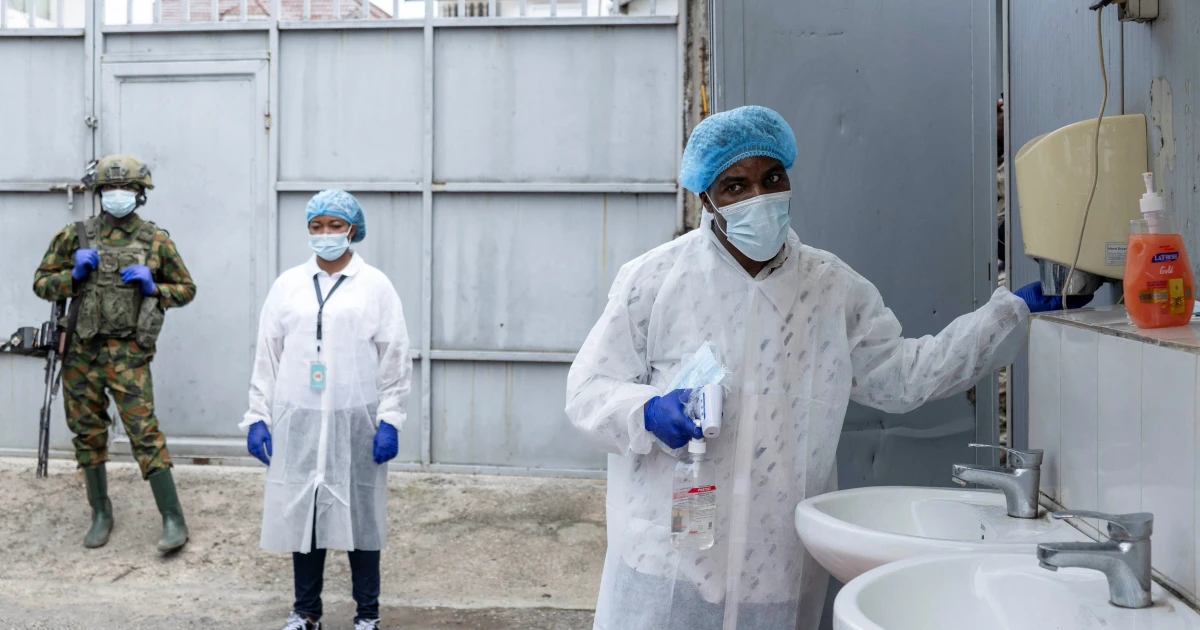
Three laboratories in eastern Congo ran out of the reagents needed to test for Ebola just as the outbreak was accelerating, leaving backlogged samples waiting for confirmation and slowing the public health response at a critical moment. The shortage hit labs in Bukavu and Lwiro in South Kivu province and Goma in North Kivu, where officials said the stock needed to run diagnostic tests had been exhausted.
The breakdown in testing capacity matters because Ebola control depends on speed: isolating patients, tracing contacts and cutting off chains of transmission before the virus reaches new communities. The World Health Organization said the outbreak had continued to expand rapidly, with rising case counts, broader geographic spread and cross-border transmission into Uganda.
As of June 6, Congo had reported 515 confirmed cases and 91 confirmed deaths, while Uganda had 19 confirmed cases, two confirmed deaths and one probable death. Congo’s health ministry later raised its tally to 598 confirmed cases and 115 confirmed deaths as of June 8, with 297 people hospitalized in isolation, according to WHO and the European Centre for Disease Prevention and Control. WHO said the outbreak had spread across 25 health zones in Ituri, North Kivu and South Kivu provinces, and that 16 confirmed cases had occurred among health and care workers.
The outbreak involves Bundibugyo Ebola virus disease, a strain for which WHO says there is no vaccine or specific treatment licensed specifically. That diagnostic complexity has compounded the challenge in Congo, where early May samples initially tested negative for Ebola before later testing identified Bundibugyo virus. The U.S. Centers for Disease Control and Prevention says Bundibugyo virus has caused only two previous outbreaks, in Uganda in 2007 and in Congo in 2012.
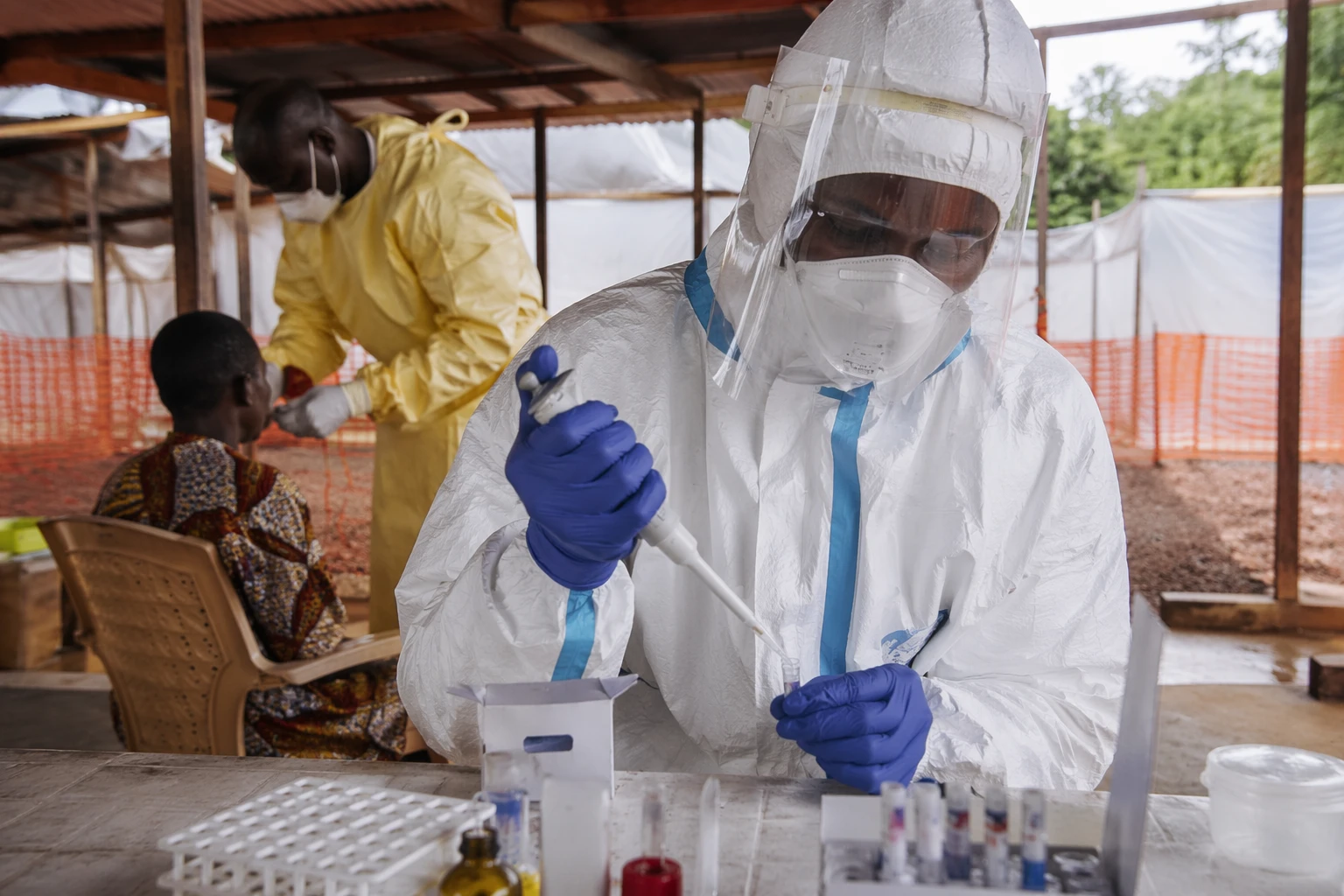
WHO and Africa Centres for Disease Control and Prevention launched a six-month continental response plan on June 5, seeking US$518 million to strengthen emergency coordination, disease surveillance, laboratory testing, infection prevention and control, clinical care, community engagement, logistics and cross-border preparedness. Africa CDC had already declared the outbreak a Public Health Emergency of Continental Security on May 18.
Jean-Jacques Muyembe, director of the National Biomedical Research Institute, said testing capacity had improved and results were increasingly available in regional laboratories, but he warned that community engagement was lagging. That gap is especially dangerous in eastern Congo, where insecurity, armed conflict, remoteness and population movement make access difficult and mistrust can keep sick people hidden until the virus has spread further. WHO said the response was being scaled up through surveillance, contact tracing, clinical preparedness, supply delivery, community engagement and cross-border readiness, but the shortage of basic lab supplies showed how fragile that effort remained.
Sources
- [1]aol.com
- [2]who.int
- [3]cdc.gov
- [4]africacdc.org
- [5]ecdc.europa.eu