Health
Ebola Travel Rules Divert Air France Flight to Canada
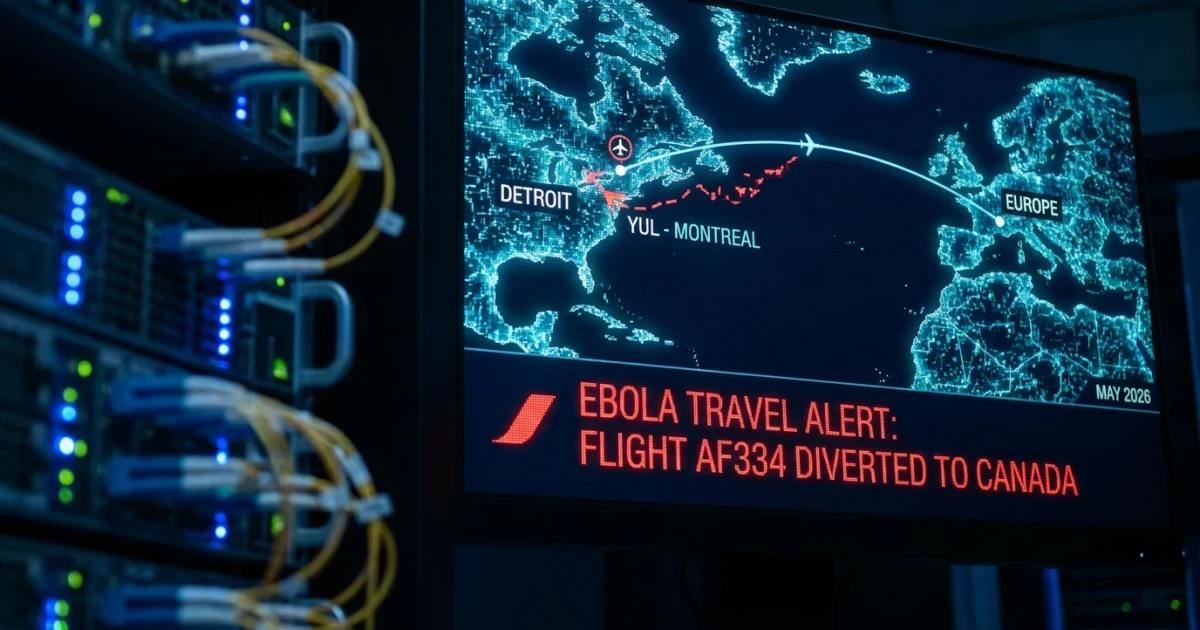
An Air France flight bound for Detroit was unexpectedly diverted to Canada this week after a passenger from the Democratic Republic of the Congo boarded the plane, highlighting the ongoing impact of Ebola-related travel restrictions on international air travel.
Flight Diverted Over Ebola Precautions
The incident occurred when a Detroit-bound Air France flight was rerouted to a Canadian airport after airline staff discovered that a passenger from the Democratic Republic of the Congo (DRC) had boarded the plane. The DRC has been subject to heightened Ebola outbreak monitoring due to ongoing cases in the region.
According to The Washington Post, the passenger reportedly boarded the flight "in error," prompting authorities to follow established international protocols for Ebola virus disease travel restrictions. These measures require airlines and border agencies to redirect flights or implement special screening if travelers from affected regions are identified en route to countries with restrictions in place.
International Response and Protocols
Canada, like many countries, has implemented strict border measures in response to Ebola outbreaks. The Canada Border Services Agency outlines screening and quarantine protocols for incoming travelers from Ebola-affected regions, including the DRC. The International Air Transport Association (IATA) also maintains guidance for airlines on managing passengers and flights during active Ebola outbreaks.
- The DRC has experienced repeated Ebola outbreaks in recent years, with the Centers for Disease Control and Prevention (CDC) documenting several waves since 2018.
- International Health Regulations coordinated by the World Health Organization require timely reporting and response to potential cross-border cases.
- Travelers from affected countries may face rerouting, enhanced screening, or temporary travel bans depending on current advisories.
Implications for Travelers and Airlines
This diversion underscores the challenges airlines and passengers face as they navigate evolving public health restrictions. While the risk of Ebola transmission on commercial flights is considered low, authorities continue to enforce precautionary measures to prevent possible outbreaks in new regions.
For international travelers, the CDC provides detailed guidance on routes, screening, and entry requirements for those originating from or transiting through Ebola-affected areas. Airlines are required to adhere to these protocols to maintain compliance with both national and international health regulations.
Looking Ahead
As outbreaks of infectious diseases like Ebola continue to affect global mobility, careful coordination between airlines, border agencies, and health authorities remains essential. The incident involving the rerouted Air France flight demonstrates how quickly international protocols are activated when potential risks are identified, and how travel plans may be disrupted as a result.
Travelers are encouraged to consult up-to-date advisories and prepare for possible changes, especially when flying from or through countries with recent or ongoing outbreaks.