Entertainment
Echo Isle channels Zelda nostalgia in a tiny $4.99 adventure

Echo Isle arrives as a study in how nostalgia has become an indie business model. Josh Koenig Games priced the PC adventure at $4.99, wrapped it in retro visuals that evoke Link’s Awakening, and built it around four perilous dungeons, all while promising something closer to an evening’s play than a sprawling quest.
That pitch matters because the modern indie market is crowded and unforgiving. Small developers often cannot outspend bigger studios, so they borrow a familiar visual language that instantly tells players what kind of experience to expect. Echo Isle leans hard into that logic. Steam describes it as a “colorful mini-island adventure” inspired by handheld classics, with a design meant to be finished in an evening. In commercial terms, the nostalgia is not just aesthetic. It is a shortcut to attention.
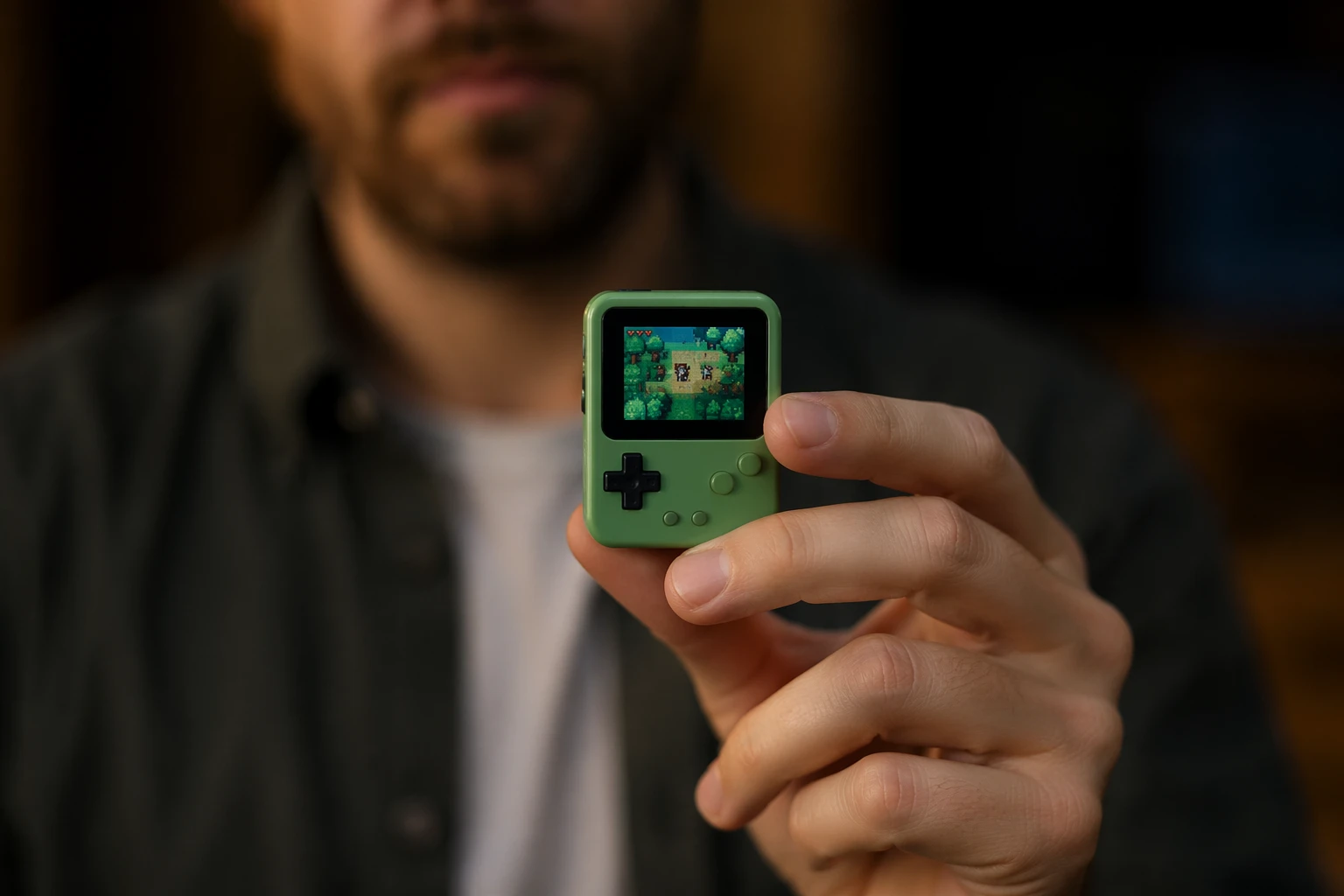
The game’s release on May 20, 2026, followed a demo that was available by February 6, giving Josh Koenig months to seed interest before launch. A March interview featured Koenig as the solo developer behind the project, and the Steam page later noted a launch trailer and a post from Koenig saying Echo Isle had launched 10 days earlier. That kind of slow-burn rollout is typical for tiny releases trying to surface in a marketplace where visibility is often more valuable than polish.
The response has split along the same line that defines so many nostalgia-driven games: homage versus imitation. A recent review called Echo Isle a compact Link’s Awakening homage with charming dungeon exploration and handheld-era spirit, but little identity beyond its inspiration. Community discussion on Steam echoed that tension, praising the nostalgia while also calling the game “too short but too nostalgic.” Another impression put the full run time at a little over an hour, which makes the brevity part of the product rather than a side effect.
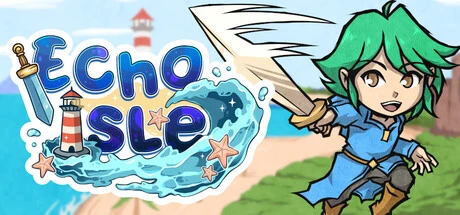
That is the economic bet Echo Isle makes. It does not try to compete on scale, content volume, or system complexity. Instead, it offers a tightly scoped return to an older design language at a low price point, banking on the emotional premium that comes with recognizable shapes, colors, and dungeon rhythms. The challenge for games like this is the same every time: familiarity can open the door, but only one distinct mechanic, mood, or feeling can keep it from becoming a copy. Echo Isle chooses smallness as its identity, and in doing so, shows how nostalgia can still function as strategy, not just style.
Sources
- [1]theverge.com
- [2]store.steampowered.com
- [3]steamcommunity.com
- [4]dsogaming.com
- [5]youtube.com
- [6]thegeeklygrind.com
- [7]retronews.com