World
Eclipse chasers travel the world for minutes of total darkness

Eclipse chasers organize flights, calendars, and entire vacations around a moment that lasts only minutes. A total solar eclipse appears somewhere on Earth about once every 18 months, and that rhythm keeps a small but committed community moving from one path of totality to the next.
Why the chase becomes a way of life
The appeal is not casual sightseeing. In one eclipse-chasing guide, chasers “will make their plans years in advance and will do all they can to get into the path of totality to experience a total solar eclipse,” and that long lead time is part of the ritual. For many, the first total eclipse becomes the benchmark for every trip that follows, turning a single sky event into a lifelong pursuit.
Kate Russo’s experience captures that intensity. In 2024, she had seen her first total solar eclipse 25 years earlier, a span that shows how one encounter can shape decades of travel, research, and repeat observation. Syracuse University’s College of Arts and Sciences has also examined the psychology behind eclipse chasers, treating the obsession as more than stargazing and more than ordinary tourism.
What makes the darkness worth crossing borders for
A total solar eclipse changes the familiar rules of daylight. During totality, the Sun’s corona becomes visible and the landscape drops into an uncanny dusk, a sensory shift that many eclipse chasers describe as unforgettable. These travelers seek out total solar eclipses, with travel itself acting as an added perk rather than the main event.
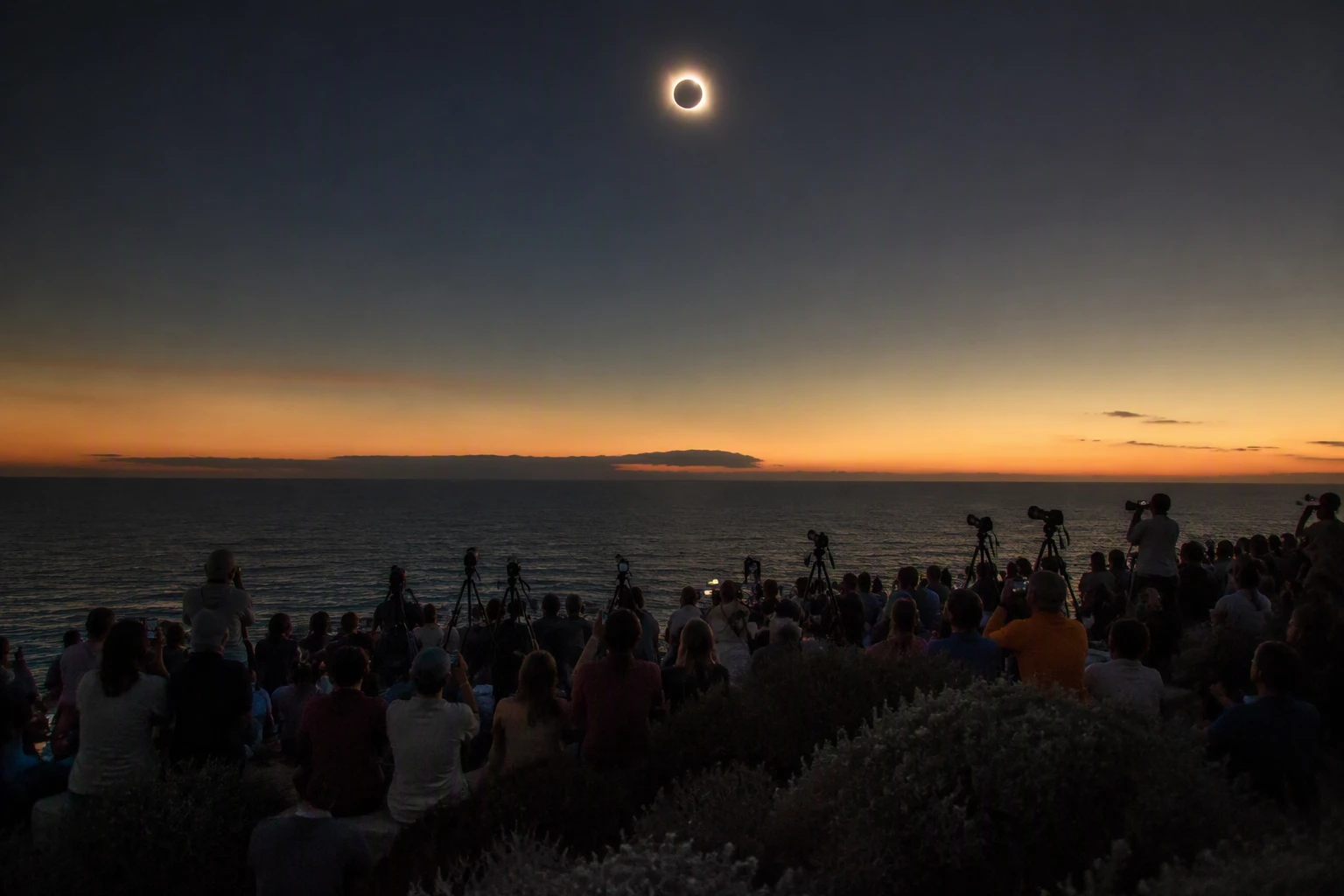
The last total solar eclipse visible from mainland Europe was in 1999, and before that in 1954, which helps explain why entire regions can go generations without seeing one. The 1999 eclipse across mainland Europe was one of the most watched in history, a reminder that these events can gather vast public attention even when they pass quickly.
The 2024 North American eclipse became a continent-scale journey
NASA’s April 8, 2024 broadcast tracked the eclipse as it moved across Mexico, the United States from Texas to Maine, and out over Canada’s Atlantic coast. That path turned the event into a moving target for travelers, who positioned themselves for a narrow band of darkness rather than a broad regional view.
A December 2023 release from Great American Eclipse and PR Newswire predicted 1 to 4 million people would travel for the April 8 eclipse, framing it as one of the biggest travel events of the year. That kind of forecast helps explain why eclipse weekends strain hotels, roads, and local transport long before the sky changes.
How eclipse travelers plan around the path of totality
Successful eclipse chasing depends on precision, not luck. Travelers study maps, weather patterns, and the width of the path of totality, then commit early enough to reach the right place on the right day. The planning can stretch over years because missing totality means missing the whole point; a partial eclipse does not deliver the same scientific or emotional payoff.
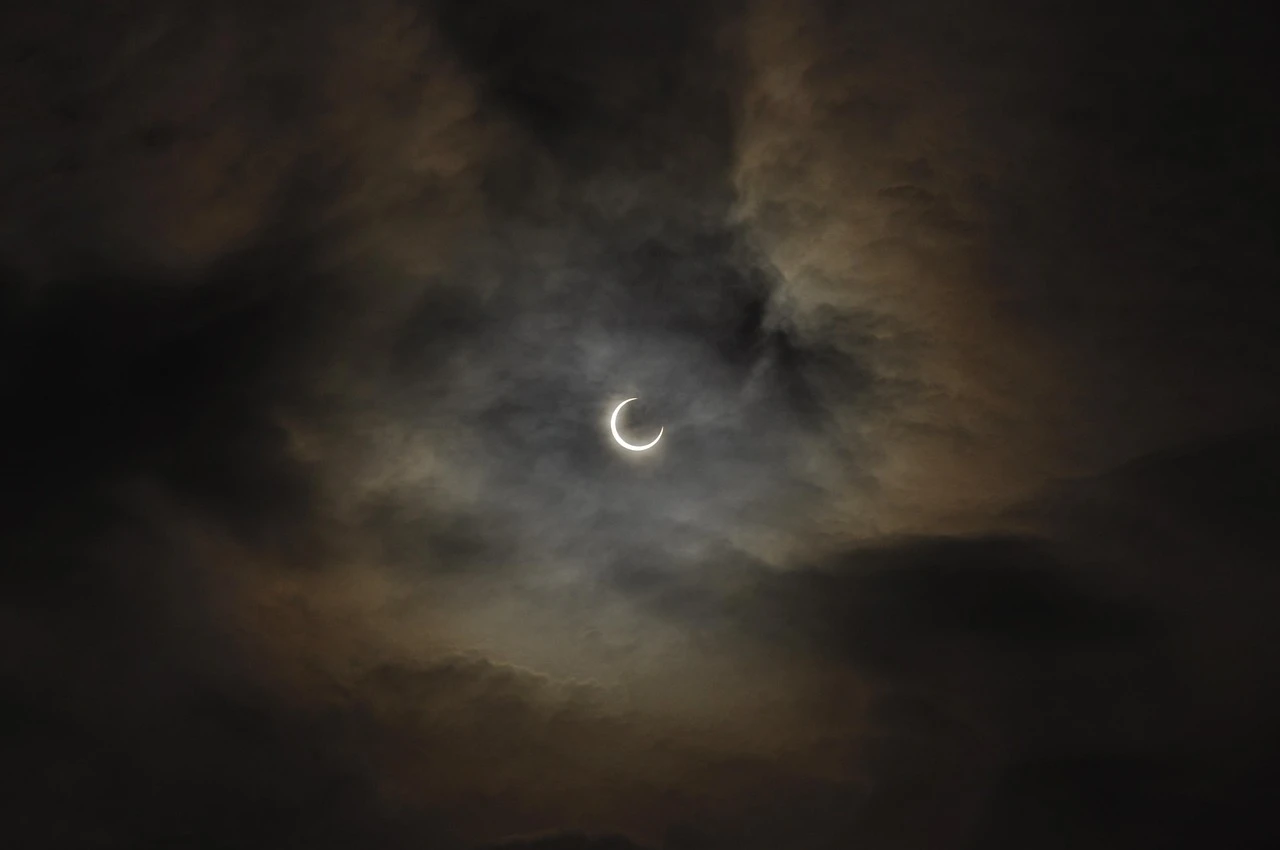
Great American Eclipse used GIS technology to analyze eclipse traffic and predict visitation inside the path of totality, showing how deeply logistics shape the experience. For travelers, that means the chase is part astronomy, part mobility problem, and part timing puzzle, with the most coveted viewing spots often the hardest to reach.
What to expect from an eclipse-chasing trip
• Expect international travel to be common, especially when the next visible path falls far from home. • Expect long lead times, because serious chasers often lock in plans years ahead. • Expect crowds in the path of totality, especially when the event crosses a large, accessible region like the 2024 eclipse route. • Expect the emotional peak to come in a brief window when day turns to night and the corona appears.
The social life of eclipse chasing
What looks like solitary obsession is often a shared culture. Eclipse chasers travel to see the solar eclipse, and that pattern points to a community that trades in repeat experiences, travel stories, and the hope of seeing a familiar cosmic event in a new landscape. The group is global by necessity, since total eclipses do not wait for one country or one generation.
Sources
- [1]bbc.co.uk
- [2]bbc.com
- [3]nasa.gov
- [4]prnewswire.com
- [5]greatamericaneclipse.com
- [6]artsandsciences.syracuse.edu
- [7]cbc.ca
- [8]time.com
- [9]eurospace.org
- [10]eclipse-chasers.com