Business
Economists see Fed holding rates steady through 2026, Reuters poll finds
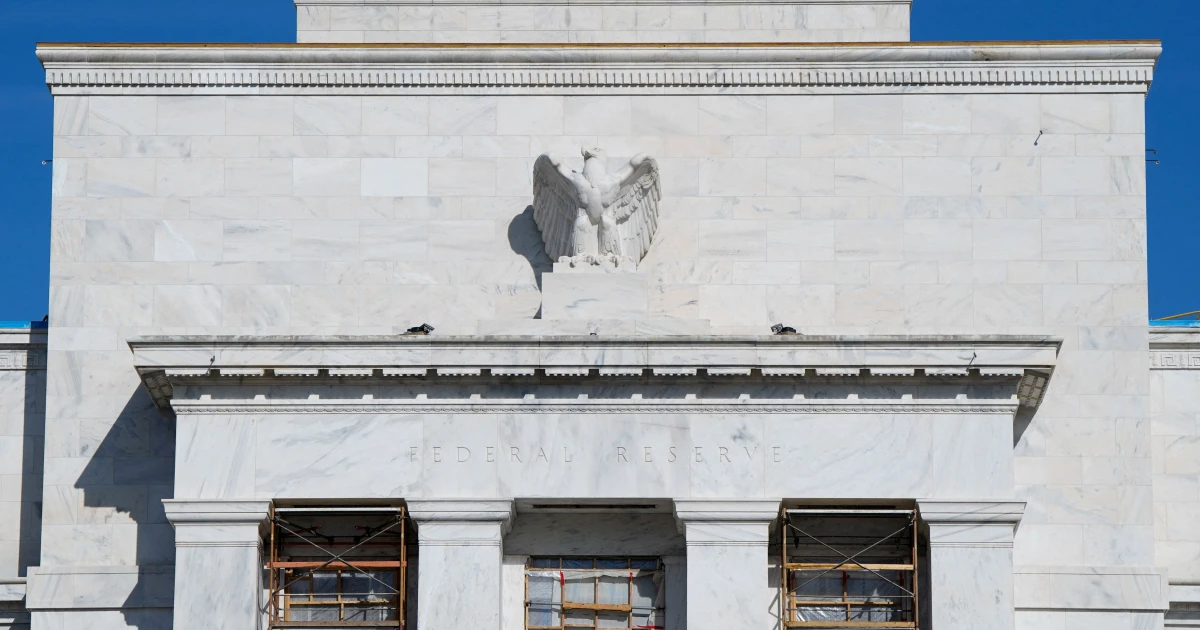
More than three-quarters of economists surveyed June 23-25 expect the Federal Reserve to leave interest rates unchanged through the end of 2026, widening the gap with markets that are still betting on higher borrowing costs. The shift is striking because just weeks ago, nearly half of economists saw the fed funds rate moving before year-end; now the dominant view is that the central bank will stay on hold well into 2027.
The Federal Open Market Committee reinforced that view when it voted 12-0 on June 17 to keep its benchmark rate in a 3.50% to 3.75% range. The statement said economic activity was expanding at a solid pace, unemployment had changed little and inflation remained elevated, partly because of energy-related supply shocks. Kevin Warsh, in his first press conference as chair, said the statement had been shortened and stripped of forward guidance because, in his view, that tool was not well suited to the current policy environment.
The economist camp is not reading the Fed as ready to blink on inflation. Consumer prices are still running above 4%, more than double the Fed’s 2% target and the highest in more than three years. Oil prices have eased back close to February levels, before the U.S.-Israeli war with Iran began, which could help cool some price pressure, but policymakers are still weighing that against solid growth, improving labor conditions and strong capital spending. One economist put the stance bluntly: “holding rather than hiking is the most appropriate stance.”
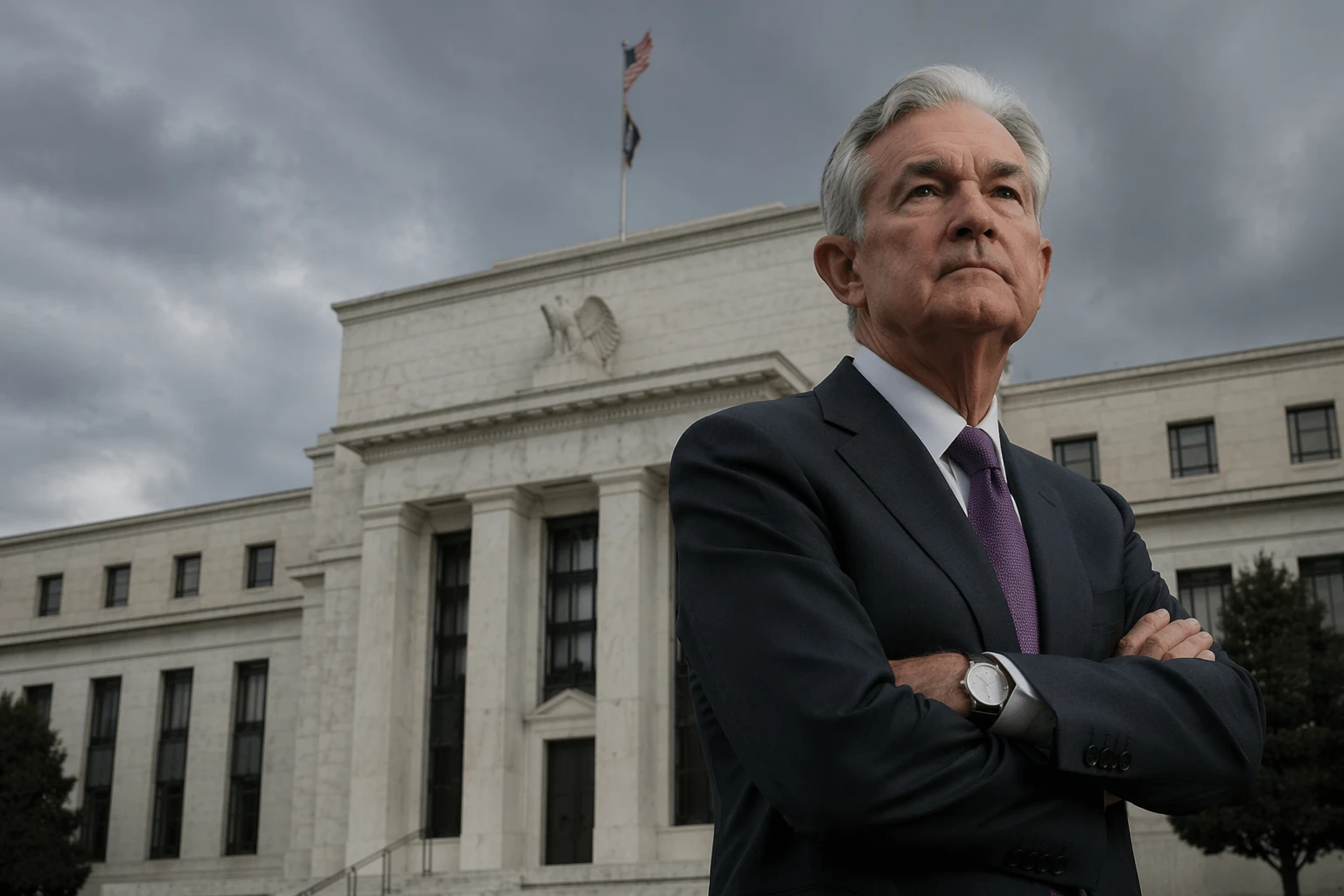
The split is also visible inside the central bank. The June 2026 Summary of Economic Projections showed nine of 19 policymakers, excluding Warsh, expected at least one hike by the end of 2026, even as interest-rate futures were already pricing in at least one increase. That leaves households and businesses facing the prospect of higher-for-longer borrowing costs across mortgages, credit cards, car loans and commercial credit. For homebuyers, that means mortgage rates are likely to stay heavy. For consumers carrying revolving balances, interest charges remain punishing. For employers, pricier credit can delay hiring, equipment purchases and expansion plans, especially if inflation proves sticky and the Fed chooses patience over relief.