Sports
Ecuador fans dress Rocky statue in jersey before loss to Ivory Coast
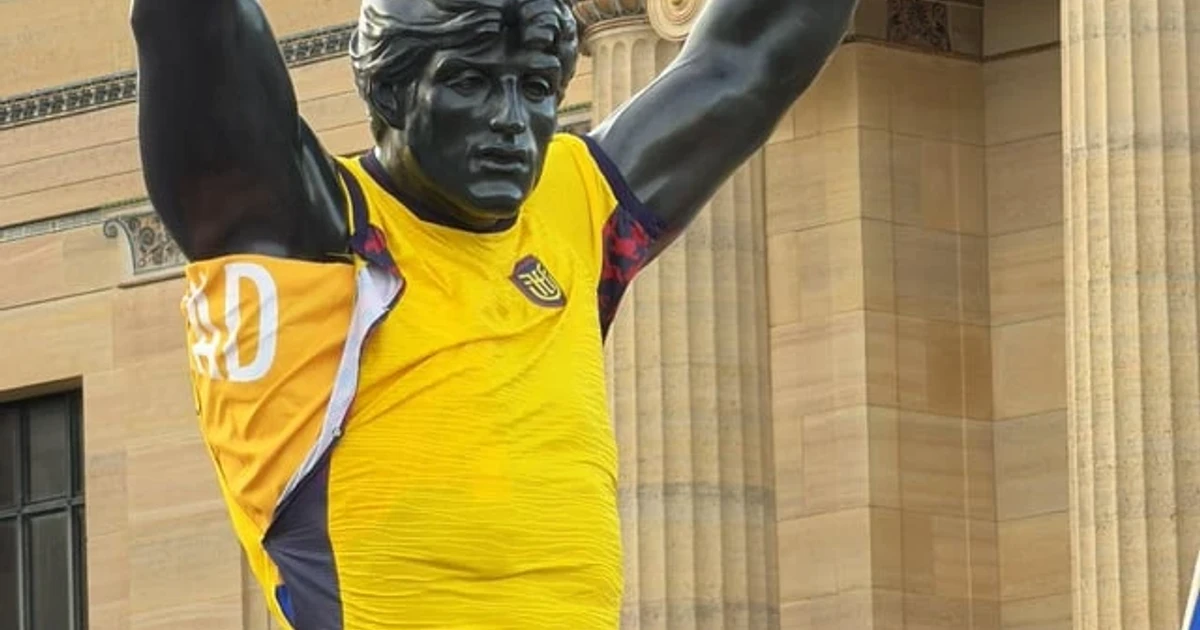
Ecuador supporters turned Philadelphia’s Rocky statue into a pre-match shrine, draping the bronze figure in the national team jersey during the banderazo before their game against Ivory Coast. The gesture was meant as a burst of confidence and color, but after Ecuador fell to Costa de Marfil, the same image began circulating as a supposed curse.
The episode captured how quickly modern football culture turns choreography into folklore. A jersey on a statue became more than decoration once the result went against Ecuador, giving fans a ready-made story to explain a defeat that had far more to do with the match than with any superstition. In the hours after the loss, the Rocky image worked less like a lucky charm than a meme, a visual shortcut that spread faster than any post-match tactical breakdown.
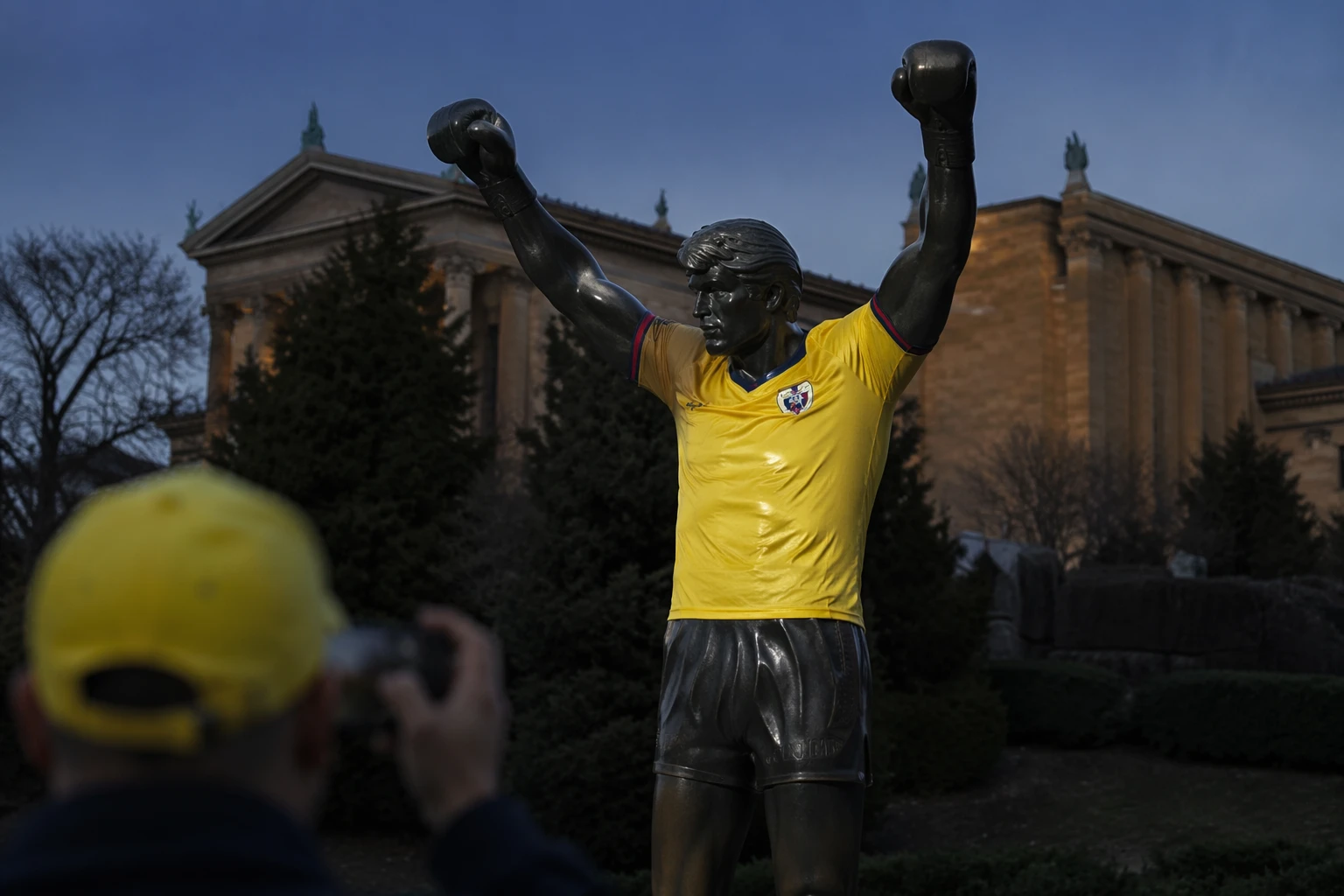
That speed matters. In major tournaments, global audiences often move from celebration to blame in a matter of minutes, and symbolic gestures are the first things to be recast. What looked like harmless fan pageantry before kickoff became, after the final whistle, a shared joke, a lament, and for some supporters, an easy place to pin disappointment. The Rocky statue was not the cause of Ecuador’s defeat, but it became the story people repeated because stories travel faster than analysis.
The scene also showed the pressure on fans to create meaning before a ball is even kicked. The banderazo is built on emotion, identity and public display, and dressing the statue was part of that energy. Once Ecuador lost to Ivory Coast, the same act was folded into a familiar pattern of scapegoating, where bad results are explained through omens instead of the more ordinary realities of opponent quality, execution and the randomness of tournament football.
For Ecuador, the result stood on the field. For the internet, the jersey on Rocky did what sports myths do best: it gave a defeat a symbol, a punchline and a life of its own.