Business
EDF sells North American renewable unit to KKR to ease finances
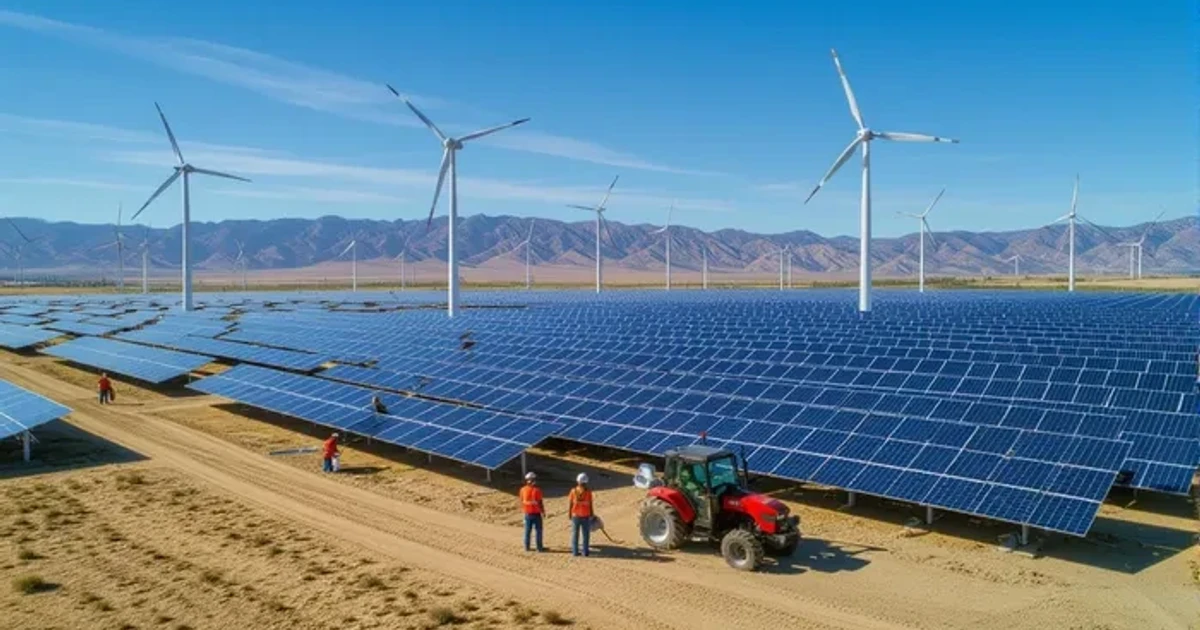
EDF agreed to sell its North American renewable business to KKR, a deal covering 5.6 gigawatts of wind, solar, storage, smart EV charging and microgrid assets as the French utility looks to free up cash for its nuclear fleet at home. The agreement follows a competitive process and covers EDF power solutions Inc in the United States and EDF power solutions Canada Inc.
The sale lands at a moment when EDF is under pressure to balance two capital-intensive businesses. In its 2025 annual results, the company reported net financial debt of €51.5 billion and operating cash flow of €9.6 billion, while also pointing to a January 2026 upgrade of its S&P rating to BBB+ stable. EDF has 57 aging reactors to maintain in France and plans to finance six new units, making every large asset sale part of a broader capital-allocation decision rather than a simple portfolio shuffle.
EDF’s own reporting shows how large the parent group remains even after years of restructuring. The company said it supplies energy and services to about 41 million customers worldwide and generated €113.3 billion in consolidated sales in 2025. Its 2025 results also said Flamanville 3 had reached 100% power, underscoring that nuclear spending remains central to the group’s strategy. EDF’s 2026 outlook calls for French nuclear output of 350 to 370 terawatt-hours in 2026 and 2027, a reminder that domestic reactors remain the core asset that must be funded first.
For North American clean power, the transaction highlights who is best positioned to own infrastructure in a higher-rate world. Private equity groups such as KKR are hunting for assets with long-term contracted cash flows, scale and room for operational improvement. KKR’s 2026 infrastructure outlook argues that private capital is essential to build out infrastructure and that power generation is increasingly strategic to the digital economy. That logic fits a renewable portfolio that already has commercial assets in operation and does not require early-stage development risk.
EDF has also been leaning into the storage market. In May 2026, EDF power solutions North America announced a five-year framework agreement with Ford Energy for up to 20 gigawatt-hours of battery energy storage systems, with deliveries expected to begin in 2028. That business shows the kind of grid-scale and industrial demand that can attract long-duration investors, even as ownership changes hands.
The deal still needs an information and consultation procedure with employee representative bodies and approvals from EDF governance bodies before closing. No price or timetable was disclosed, but the direction is clear: EDF is converting part of its North American renewables platform into financial flexibility at a time when nuclear reinvestment at home has become the more urgent and more expensive priority.
Sources
- [1]money.usnews.com
- [2]edf.fr
- [3]businesswire.com
- [4]kkr.com
- [5]reuters.com