US News
Education Department’s loan changes spark criticism over backdoor debt cancellation

The Education Department is lowering some federal student-loan interest rates for borrowers who enroll in automatic payments, and critics say the maneuver looks less like a routine servicing perk than a form of debt relief delivered without a new act of Congress. The change reaches only a slice of borrowers, but it will sit alongside a broader overhaul of the federal loan system that is already lifting rates for many new loans.
The department said borrowers in auto pay will get a 1 percent interest-rate reduction beginning July 1, with the lower rate lasting through June 30, 2028 for borrowers who are already enrolled or sign up by September 30, 2026. The benefit applies only to federal Direct Loans issued after July 1, 2012. The Committee for a Responsible Federal Budget said the department was “quadruple the auto-pay incentive” and estimated the change would cost at least $5 billion. Maya MacGuineas, the group’s president, called it “debt cancellation by another name” and said it is aimed at borrowers already making repayments.
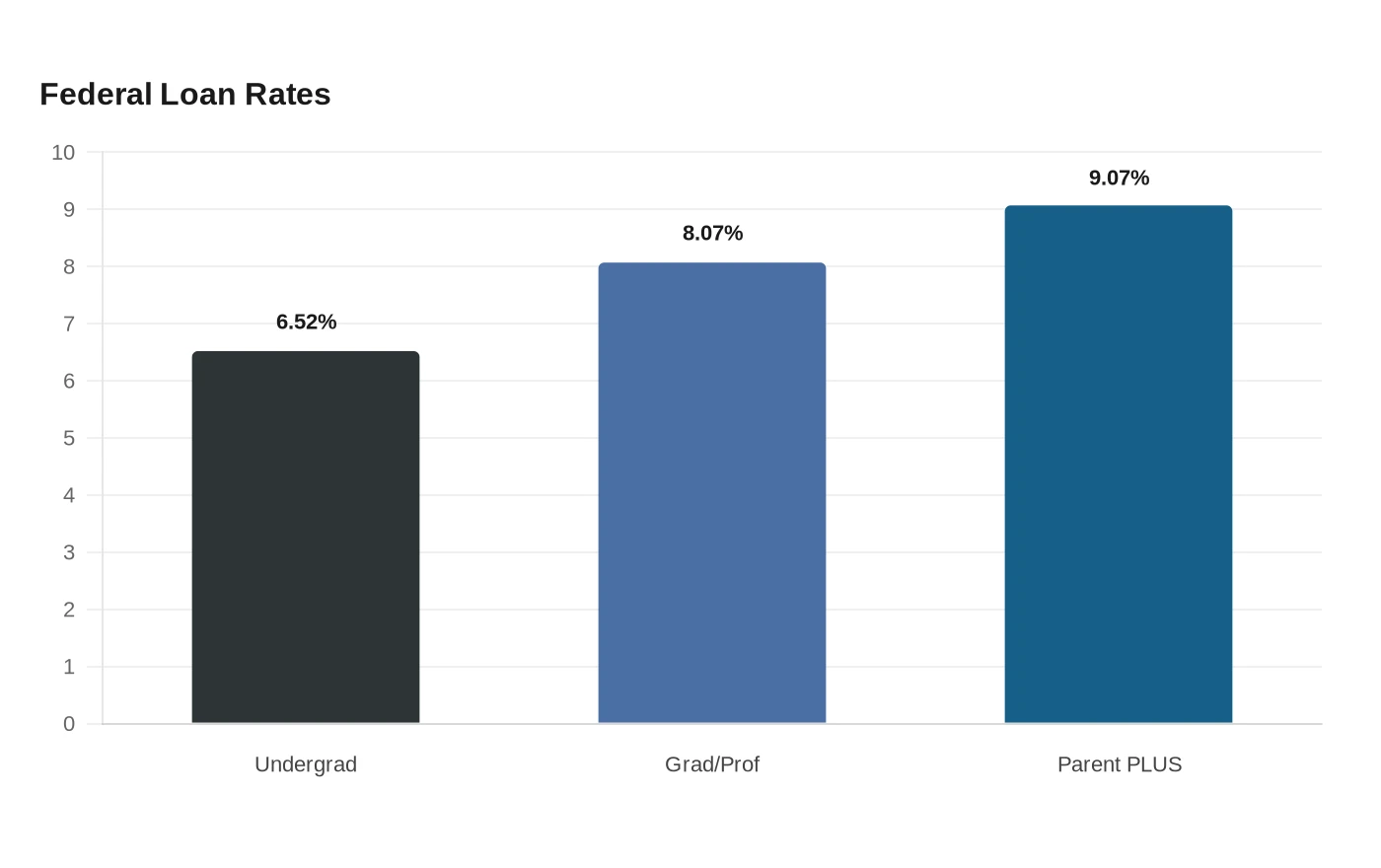
That criticism lands against a backdrop of higher federal loan rates for the next academic year. For loans first disbursed on or after July 1, 2026 and before July 1, 2027, the Education Department said the 10-year Treasury note high yield from the May 12, 2026 Treasury auction was 4.468 percent, producing fixed rates of 6.52 percent for undergraduate Direct Subsidized and Unsubsidized Loans, 8.07 percent for graduate and professional Direct Unsubsidized Loans, and 9.07 percent for Parent and graduate or professional Direct PLUS Loans.
The administration says the July 1 changes are part of a wider student-loan overhaul under the One Big Beautiful Bill Act. Federal guidance says the department is phasing out Income-Contingent Repayment plans, creating a new Repayment Assistance Plan and a Tiered Standard repayment plan, and changing borrowing limits and repayment options. Education Department materials also say borrowers with new student loans will get immediate access to select benefits, including a matching principal payment and an interest waiver for qualified borrowers.
That makes the auto-pay discount a policy test as much as a financial one. Supporters can call it a repayment incentive, but the mechanism is plain: the department is using existing loan rules to reduce what some borrowers owe on outstanding balances, while the biggest structural changes to federal lending are being sold as reform. For borrowers already struggling with monthly bills, the distinction between a benefit and cancellation may matter less than the bottom line, but for Washington the fiscal and legal stakes are becoming harder to ignore.
Sources
- [1]news.google.com
- [2]crfb.org
- [3]ed.gov
- [4]fsapartners.ed.gov
- [5]cbsnews.com
- [6]studentaid.gov