World
Eisenkot rises as potential challenger to Netanyahu in Israel vote

Israel’s parliament moved closer to dissolution by a 106-0 vote as coalition partners fought over ultra-Orthodox military draft exemptions, setting the stage for an election due no later than October 27, 2026. The vote is now widely expected to take place on the original date rather than earlier, but the campaign is already sharpening around one striking possibility: a former military chief with a hard security record could become Benjamin Netanyahu’s most serious challenger.
Gadi Eisenkot, 66, served as Israel Defense Forces chief of staff from 2015 to 2019 and later sat in the unity government as a minister without portfolio from 2023 to 2024. His profile has only grown since his son, Master Sgt. Gal Eisenkot, was killed in Gaza. That loss has become central to Eisenkot’s public standing as he launches Yashar, a party built around competence, military authority and a promise of cleaner governance.
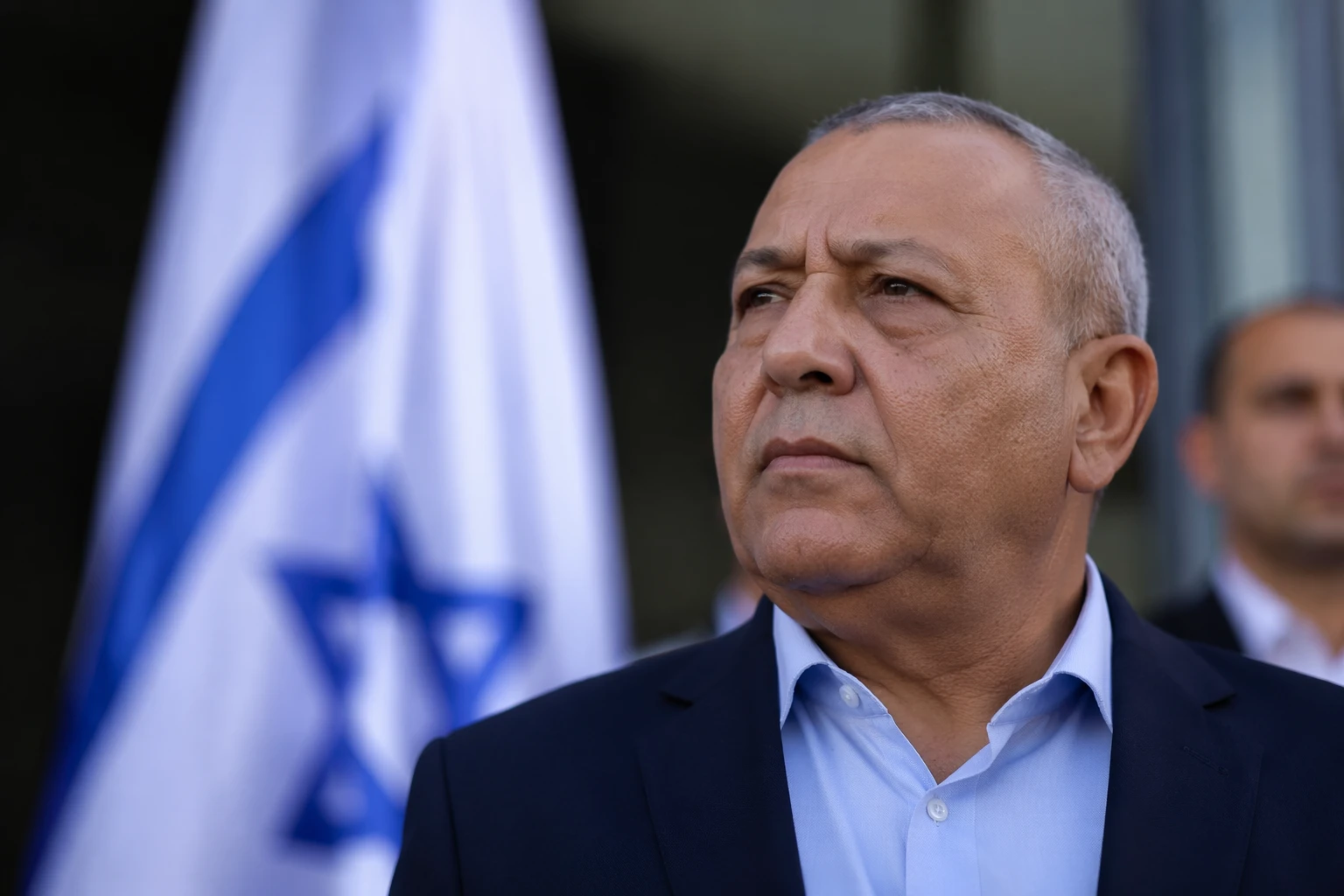
Polls have started to reflect that opening. Recent Israeli surveys have placed Yashar in the low 20s in projected Knesset seats, and some have shown it tying Likud or even briefly edging ahead of Netanyahu’s party. Even where Yashar remains behind Likud, the numbers matter because Israel’s parliamentary system rarely rewards a simple plurality. A party that finishes second can still become decisive if it helps assemble a coalition, especially in a fragmented field where no bloc looks certain to win a majority on its own.
That makes Eisenkot’s challenge more revealing than a conventional leadership contest. He is not running as a centrist alternative in the mold of Yair Lapid. He comes from the security establishment, has endorsed the Dahiyeh doctrine of overwhelming retaliation, and presents himself as a wartime right-wing leader with different judgment, not a different ideological camp. His rise suggests that some voters may be looking less for a shift left or center than for a replacement who can claim tougher credentials without Netanyahu’s baggage.
That baggage remains substantial. Netanyahu is still facing corruption trial proceedings and has recently completed major testimony phases, leaving him under legal pressure as the campaign approaches. Eisenkot has also challenged Netanyahu to a public debate, signaling that the fight is becoming personal as well as political. The pressure on Netanyahu now comes from two directions at once: discontent over the war and a growing sense that leadership competence, not just ideology, may decide who can keep Israel’s right wing together.
Sources
- [1]usnews.com
- [2]timesofisrael.com
- [3]jpost.com