World
El Niño and climate change drive record global heat, WMO says
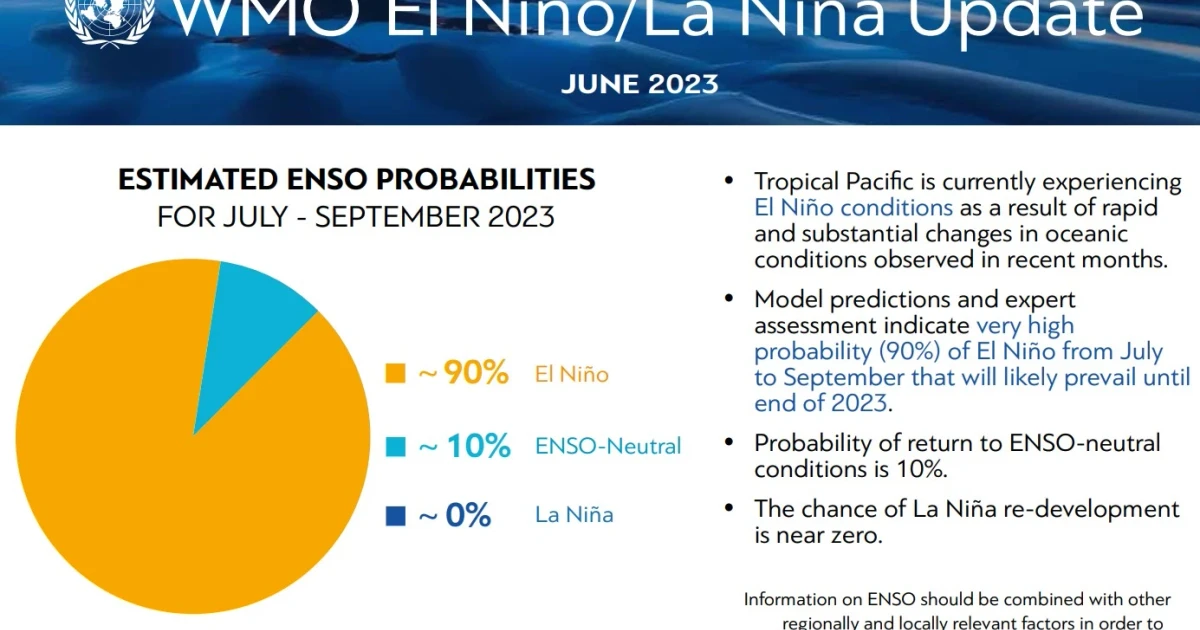
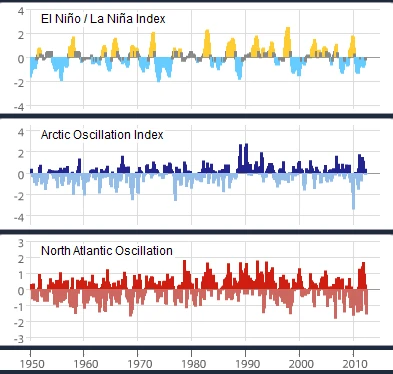
The 2023-24 El Niño peaked as one of the five strongest on record. By March 5, 2024, the World Meteorological Organization put the event in a weakening phase but still influencing the global climate and fueling heat trapped by greenhouse gases.
The WMO had already warned on Nov. 8, 2023, that the El Niño then under way was likely to last at least until April 2024, with a further spike in temperatures on land and in the ocean. NOAA’s Climate Prediction Center in June 2023 put El Niño conditions as present and expected to strengthen into the Northern Hemisphere winter, with an 84% chance of reaching at least moderate strength and a 56% chance of strong El Niño conditions by November-January.

NASA put 2023 at about 1.2 degrees Celsius above its 1951-1980 baseline, the warmest year on record. On Jan. 12, 2024, the WMO also called 2023 the warmest year on record by a huge margin. NASA found each month from June through December 2023 set a global record for that month.
NOAA-linked research found that between 30% and 40% of the global ocean area experienced a marine heat wave in each month from April through December 2023. In the southwestern United States and Mexico, NOAA recorded a heat wave that ran from mid-June to early August, affecting more than 100 million people and causing over 300 deaths.
The WMO put Latin America and the Caribbean in a double hit from El Niño and climate change in 2023, with drought, heat, wildfires, extreme rainfall and a record-breaking hurricane. Those conditions pressed on health, food and energy security.
Sources
- [1]nytimes.com
- [2]wmo.int
- [3]nasa.gov
- [4]cpc.ncep.noaa.gov
- [5]repository.library.noaa.gov
- [6]aoml.noaa.gov