World
El Salvador wraps up mass trial of alleged MS-13 gang members
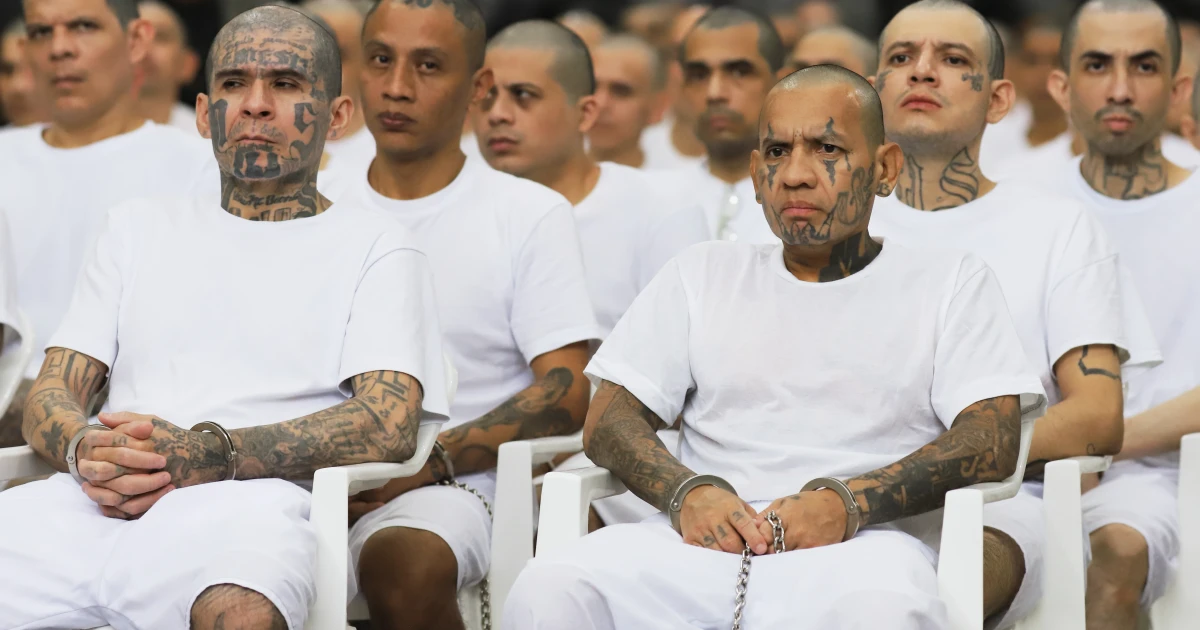
El Salvador wrapped up a three-month mass trial of 486 suspected MS-13 members after prosecutors said the group was collectively accused of more than 47,000 crimes spanning 2012 to 2022. The case, held inside the Terrorism Confinement Center in Tecoluca, became one of the clearest tests yet of Nayib Bukele’s anti-gang model, which has cut violence sharply while drawing criticism over due process and judicial transparency.
The defendants faced accusations including murder, extortion, drug trafficking and arms trafficking. Prosecutors sought sentences of up to 245 years, underscoring how aggressively the attorney general’s office has pursued a sweeping case built around organized-crime allegations rather than separate, smaller prosecutions.
The trial also laid bare the tradeoff at the center of Bukele’s security project. Many Salvadorans continue to back the crackdown because it has made neighborhoods safer after years of gang violence, and the government has leaned on those gains to justify extraordinary police and prison powers. But lawyers, activists and international observers say mass proceedings make it harder to separate major gang leaders from peripheral suspects and risk turning individualized justice into a numbers exercise.
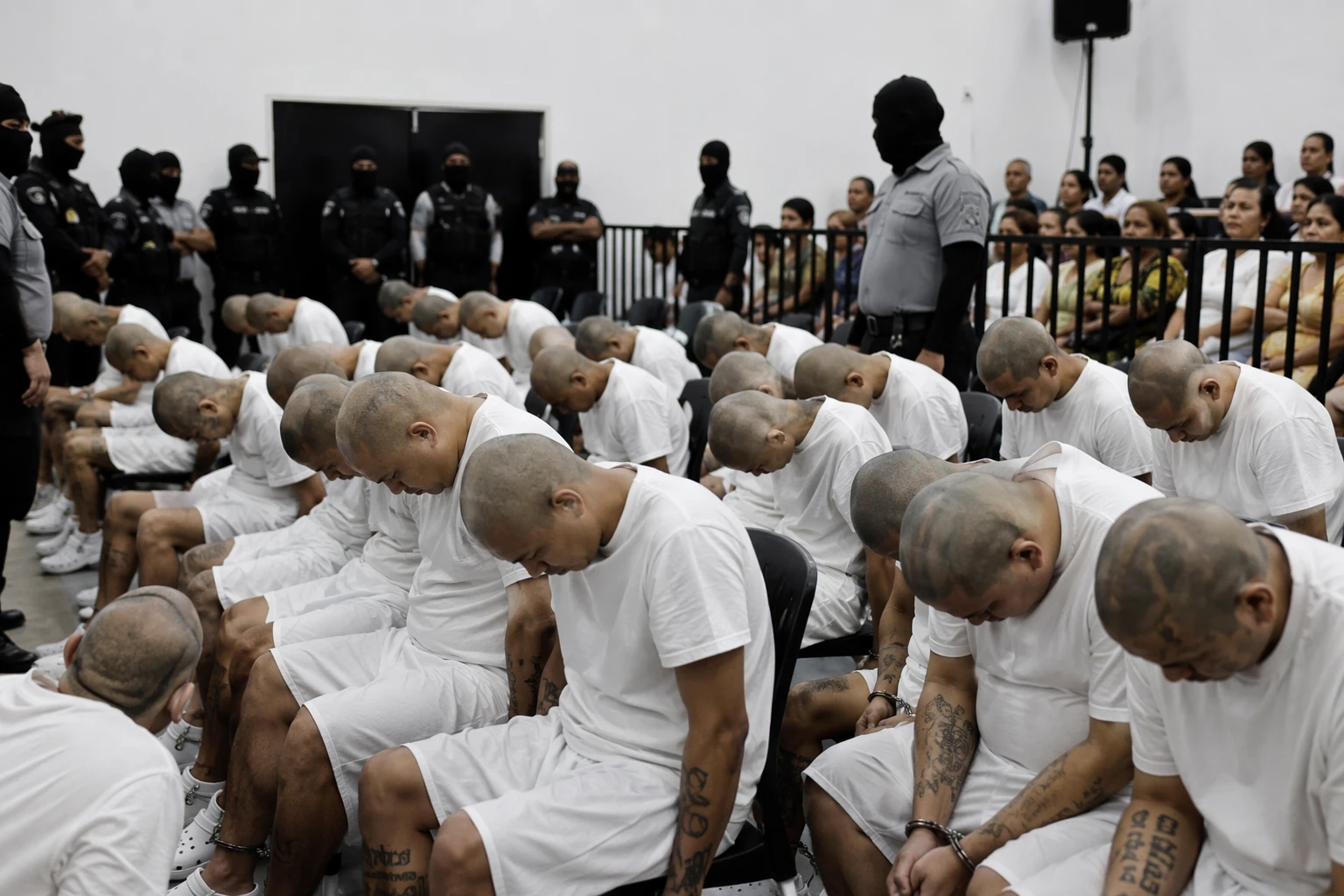
United Nations experts have warned that mass trials undermine the right to defense and the presumption of innocence. Human rights groups, including Amnesty International and Human Rights Watch, have also criticized the state of exception for alleged due process abuses and the human cost of mass detention.
The state of exception began in March 2022, after a surge in gang violence that included 62 homicides in a single day, according to a hearing notice from the Tom Lantos Human Rights Commission. Since then, Bukele has used the emergency regime to expand arrests and accelerate prosecutions, turning public security into the defining issue of his presidency.

CECOT, the high-security prison where the proceedings were held, has become a symbol of that strategy. Its role in hosting a case of this scale reflects how El Salvador has reoriented its justice system around speed, deterrence and spectacle, even as critics say the country is normalizing extraordinary measures that should remain temporary.
The conclusion of the trial does not close the broader debate. Sentencing, appeals and the treatment of defendants in custody will keep the case in focus as El Salvador weighs whether its security gains can be sustained without further eroding the safeguards that are supposed to limit state power.
Sources
- [1]apnews.com
- [2]abcnews.com
- [3]reuters.com
- [4]bbc.com
- [5]humanrightscommission.house.gov
- [6]amnesty.org
- [7]hrw.org