Politics
El-Sayed beats Stevens in high-stakes Michigan Senate primary
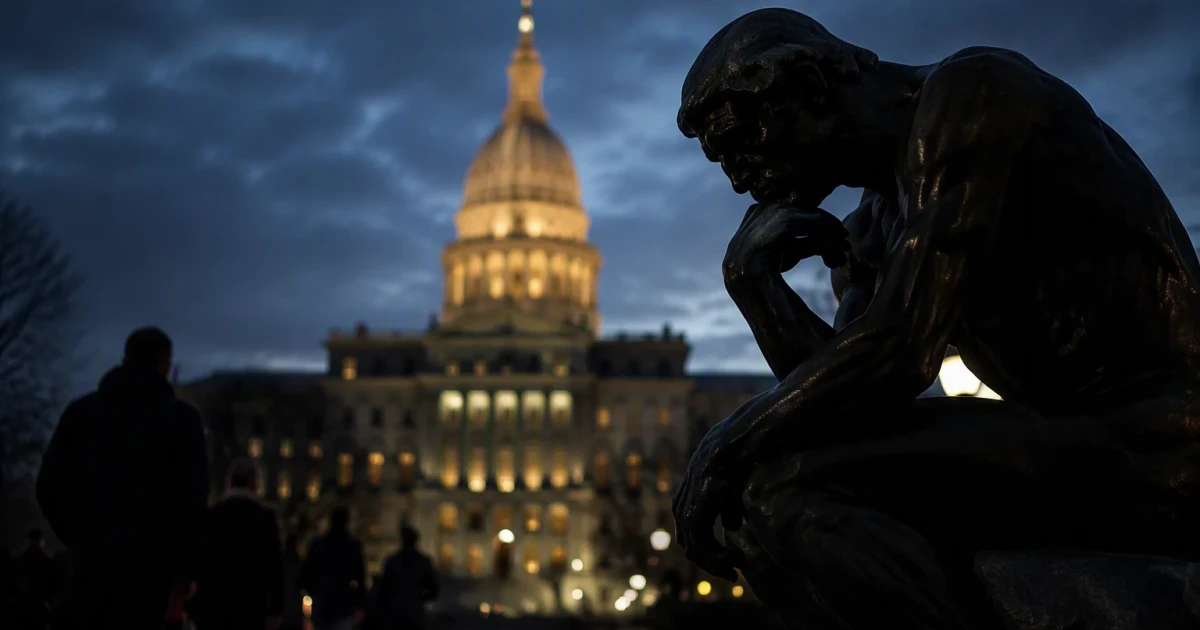
Abdul El-Sayed was projected to beat Rep. Haley Stevens in Michigan’s Democratic Senate primary after a race that drew more than $65 million and became the clearest test of the party’s progressive wing. The contest, part of a primary night that also included Missouri, Virginia, Kansas and Washington, was close enough that early returns left it too tight to call before El-Sayed moved ahead.
The Michigan result carried the most national weight because it paired two sharply different Democratic profiles in a seat the party hopes to hold in November. El-Sayed, a former public health official running as a progressive, faced Stevens, a centrist House member backed by Michigan Gov. Gretchen Whitmer in late July. The race also had a broader policy signal: whether Democrats would reward a more left-leaning message in a state that often decides Senate control.
That question was sharpened by the scale of the campaign. More than $65 million flowed into the Michigan Democratic Senate primary, making it one of the most expensive contests of the cycle and turning the race into a referendum on both ideology and political style. El-Sayed’s win suggested that progressive organizing and a sharper contrast with the party establishment could still prevail in a high-dollar battleground even when a sitting governor lined up behind the centrist candidate.
CBS News anchored special coverage of the primaries with Major Garrett as five states voted on the same night. Across the map, the primaries served as a stress test for competing factions inside both parties, while Republican contests elsewhere on the ballot also reflected Donald Trump’s continued influence over GOP candidates. In Michigan, the Democratic nominee is expected to face Republican Mike Rogers in the general election, keeping the state on the front line of the fight for Senate control.
For Democrats, the result offered an early signal that a candidate’s ideological lane and campaign identity still matter in the states most likely to decide Washington’s balance of power. A progressive former public health official beat a better-established centrist in the race that drew the largest national audience, and Michigan once again became a place where the party’s internal debates were settled in public, under the glare of a costly and closely watched primary.
Sources
- [1]cbsnews.com
- [2]modernghana.com
- [3]nbcnews.com
- [4]ballotpedia.org
- [5]bridgemi.com
- [6]cnn.com
- [7]nytimes.com
- [8]kpbs.org
- [9]aljazeera.com
- [10]270towin.com
- [11]wlns.com
- [12]haleyformi.com