Politics
El-Sayed’s Michigan Senate bid becomes referendum on Israel, campaign money
Haley Stevens led Abdul El-Sayed 17 percent to 16 percent in pre-primary polling, but 38 percent of likely Democratic voters were still undecided as the Michigan Senate race hardened into a fight over Israel and campaign money. AIPAC has spent heavily against El-Sayed, making his candidacy a test of whether a progressive, confrontational style can still win statewide in Michigan.
El-Sayed brought an executive résumé in public health to the race. Wayne County announced on Dec. 1, 2022, that he would start that month as a project consultant and then become director of the Health, Human and Veterans Services Department in March 2023. Before that, he had served as Detroit’s health director, giving him a record in government outside electoral politics.

His statewide political profile was shaped earlier. In 2018, El-Sayed lost the Democratic gubernatorial primary to Gretchen Whitmer, and The American Prospect said that defeat helped set him up for his 2026 Senate run. El-Sayed has leaned into that history by arguing that Michigan is not automatically a moderate state. In an Aug. 3 interview, he said it was “funny to me” to assume Michigan votes for moderates when it voted twice for Donald Trump.
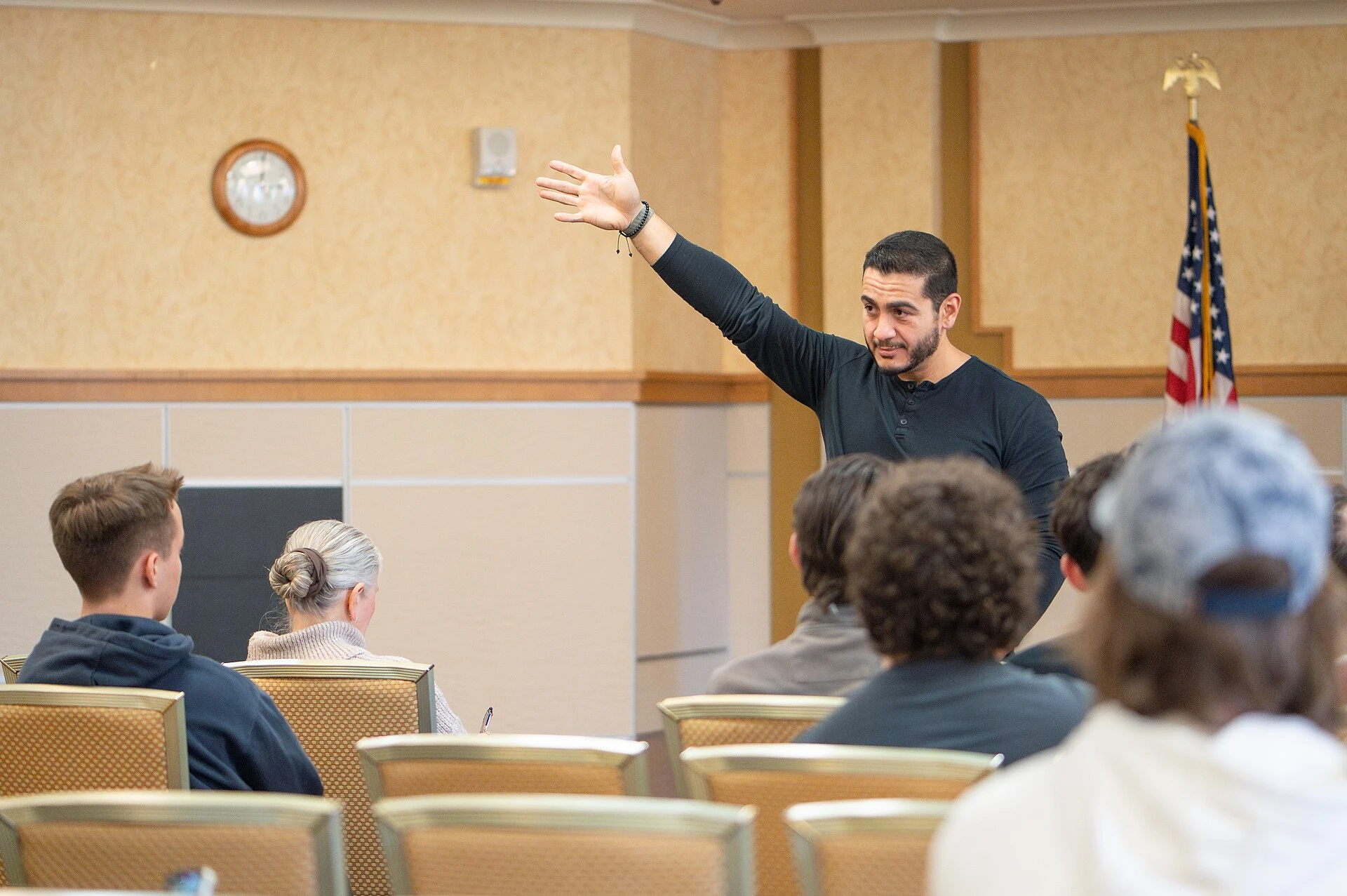
The Senate contest has centered heavily on Israel. El-Sayed opposes unconditional U.S. military aid to Israel and has challenged the way American politicians discuss the conflict, arguing the debate should move beyond whether Israel has a “right to exist.” Those positions have fueled public disputes over his remarks, including claims that he blames Jewish Americans, and have put his Muslim faith under scrutiny in a race already defined by questions of identity and loyalty.
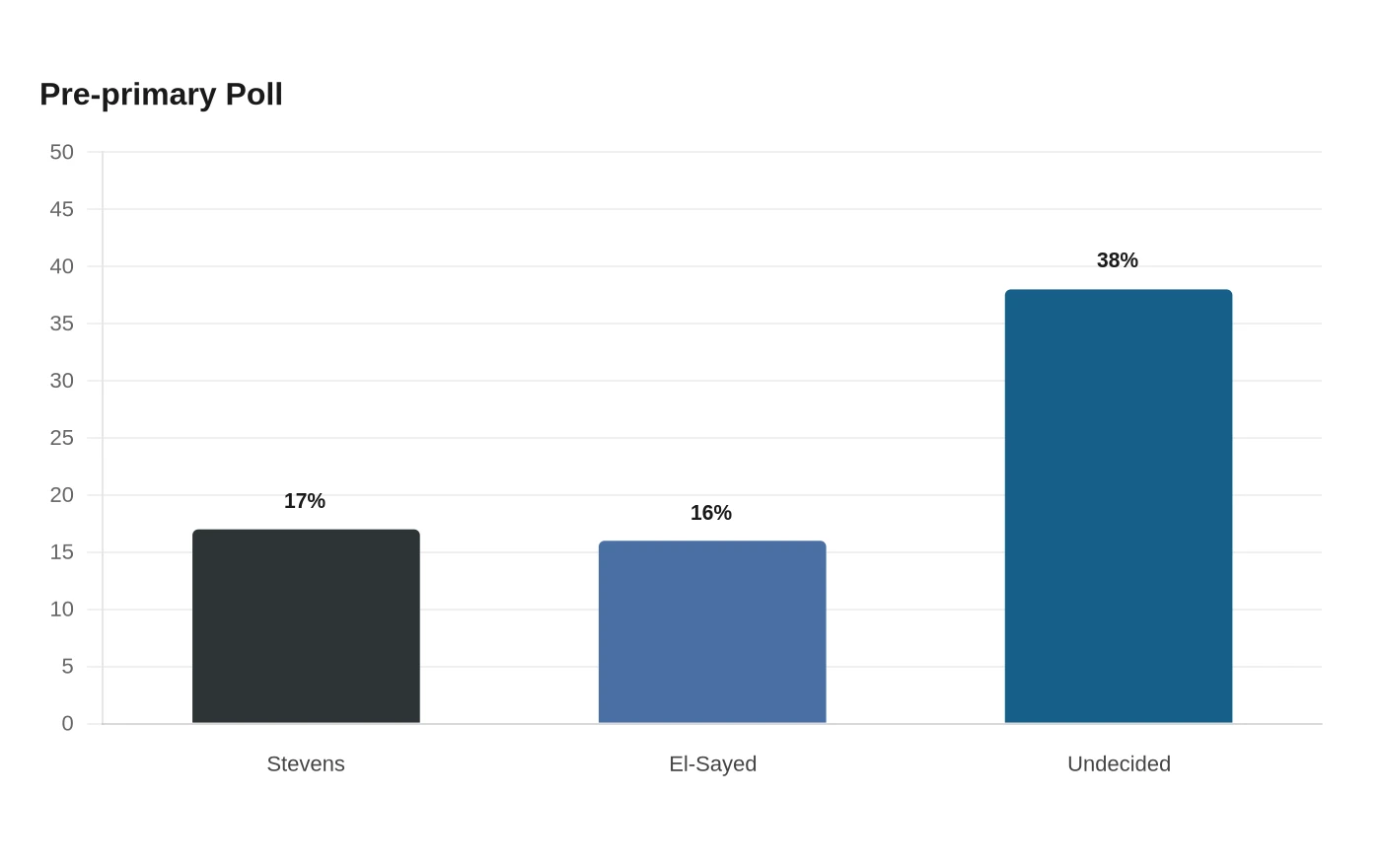
Supporters, including some Arab-American observers, have cast a possible El-Sayed victory as historic and say his rhetoric is channeling anger at the political establishment. Critics describe his campaign as too closely tied to anti-Israel activism and say his language has sounded inflammatory and conspiracy-tinged. With Stevens ahead by only a point and the undecided share still large, El-Sayed’s bid now hinges on whether that message can reach beyond a movement base and into the broader coalition Michigan Democrats usually need to win statewide.
Sources
- [1]nytimes.com
- [2]waynecountymi.gov
- [3]cnn.com
- [4]cbsnews.com
- [5]detroitnews.com
- [6]forward.com
- [7]prospect.org
- [8]bridgemi.com
- [9]youtube.com
- [10]apha.org