Politics
El-Sayed’s narrow Michigan Senate primary win jolts Democrats nationwide
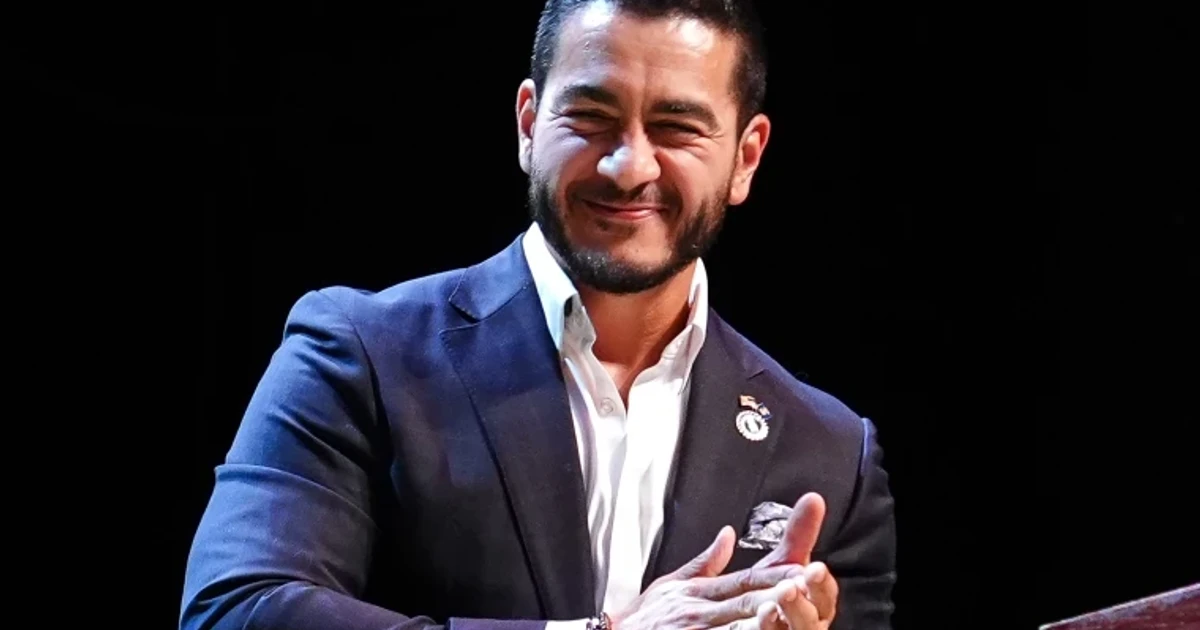
Abdul El-Sayed edged Haley Stevens in Michigan’s Democratic Senate primary, finishing with 740,943 votes, or 48.48%, to Stevens’s 726,045 votes, or 47.51%, with more than 95% counted. The narrow result left a progressive former public health official positioned for a general election contest that Democrats see as central to their bid for Senate control in 2026.
The race reverberated far beyond Michigan because CNN described El-Sayed’s win as a blow to the Democratic establishment and one of the party’s most closely watched contests. The New York Times framed him as a progressive former public health official running against Stevens, a centrist backed by the party establishment, while the party’s larger calculation is simple: the Michigan seat is viewed as key to winning control of the chamber.

That is why Zohran Mamdani’s reaction carried immediate national weight. Mamdani said El-Sayed’s close victory put “working-class Americans back at the heart of our politics.” The line sharpened the comparison between El-Sayed and the brand of progressive politics associated with Mamdani in New York City, and it fed the question now circulating inside the party: did Michigan produce an independent model built on economic messaging and anti-establishment appeal, or simply another candidate wrapped in Mamdani-style branding?
El-Sayed himself tried to keep the race grounded in Michigan politics rather than a national proxy fight. CNN said he downplayed “intra-family squabbles” when asked about the divisive primary, casting the result as a catharsis for state Democrats. That message mattered in a state where the vote was not just about ideology, but about which coalition can still assemble enough support to win in a battleground that will help decide Senate control.
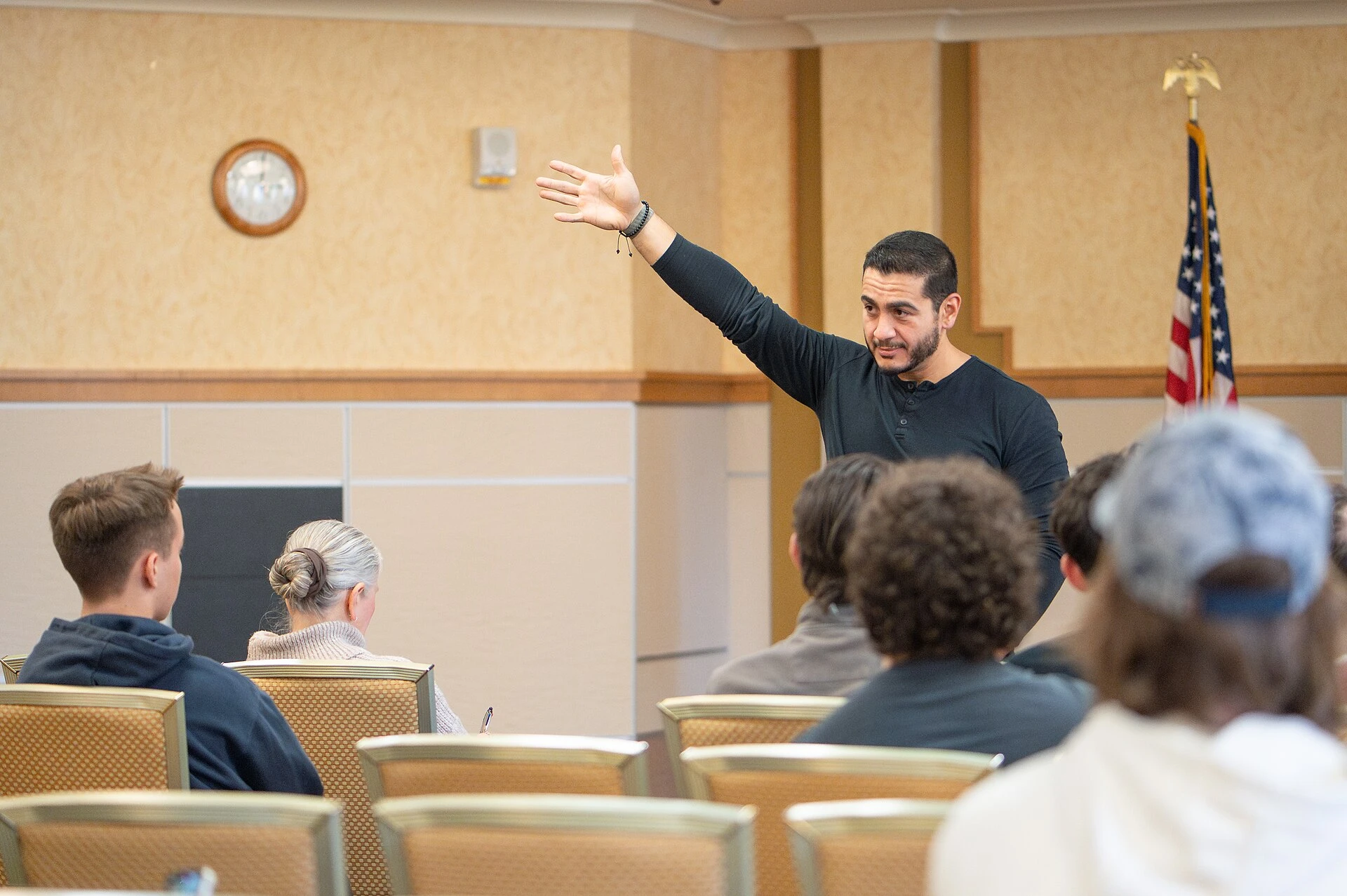
Identity politics and foreign policy also shaped the contest. The Guardian said El-Sayed could become the first Arab American senator if he wins the general election, while Al Jazeera said the race became a focal point of the Democratic split over Israel and that AIPAC spent heavily against him. As the vote count continued, El-Sayed told supporters he wished he could declare victory, but that the race was not over at that moment.
Sources
- [1]nytimes.com
- [2]edition.cnn.com
- [3]theguardian.com
- [4]aljazeera.com
- [5]cnn.com
- [6]nbcnews.com
- [7]apnews.com