Business
Elon Musk Unites SpaceX and xAI in Landmark Merger to Accelerate AI in Space Exploration
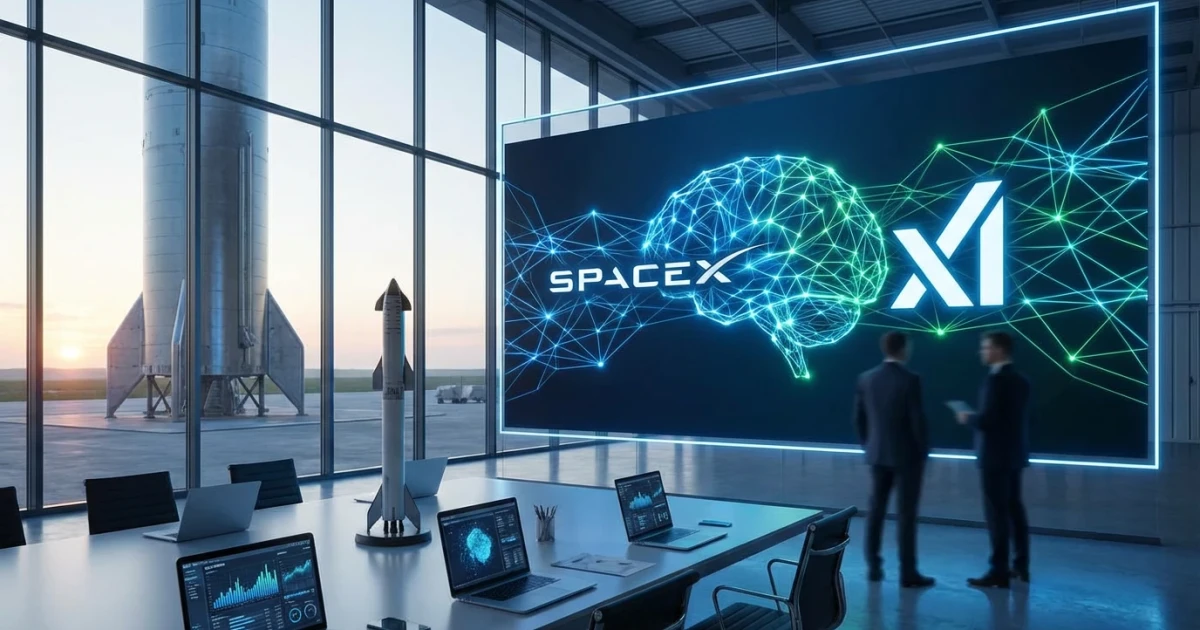
Elon Musk has taken a dramatic step in shaping the future of space exploration and artificial intelligence, merging his aerospace company SpaceX with his AI venture, xAI. The move, reported by The New York Times, consolidates two of Musk’s most ambitious enterprises, marking a pivotal moment in the race to leverage artificial intelligence for next-generation space technology.
The Merger: A Unification of Vision and Technology
The merger brings together SpaceX, renowned for its achievements in reusable rockets and satellite launches, and xAI, an artificial intelligence startup Musk founded to compete with the likes of OpenAI and Google. While financial details and structural specifics remain undisclosed, the integration is poised to create a powerhouse at the intersection of AI and aerospace engineering.
This strategic move comes as both industries experience rapid growth and increased competition. By joining forces, Musk aims to accelerate AI-driven innovation in space flight, satellite technology, and potentially interplanetary exploration.
Potential Impacts on Space and AI Industries
- Enhanced Spacecraft Autonomy: Integrating advanced AI could enable more autonomous navigation, decision-making, and real-time problem-solving for missions to the Moon, Mars, and beyond.
- Improved Satellite Operations: AI algorithms from xAI could optimize SpaceX’s Starlink satellite constellation, enhancing coverage, efficiency, and network resilience.
- Faster Innovation Cycles: The shared resources and talent pool could shorten development timelines for new technologies, from rocket engines to AI-powered mission control systems.
Industry Context and Competitive Landscape
This merger comes as tech and aerospace companies worldwide are racing to integrate AI into their offerings. SpaceX’s competitors, including Blue Origin and traditional aerospace firms, have begun exploring AI partnerships, but Musk’s move to internalize AI expertise could set a new industry benchmark.
Meanwhile, xAI, launched to rival existing AI giants, brings cutting-edge research and engineering talent into SpaceX’s orbit. The merger could allow SpaceX to develop proprietary AI solutions tailored for space applications, rather than relying on third-party providers.
Looking Ahead: A New Era for Musk’s Empire
The combination of SpaceX’s hardware capabilities and xAI’s software prowess positions Musk’s companies to lead the next wave of innovation in both fields. While regulatory and operational challenges remain, the merger signals Musk’s intent to blur the lines between artificial intelligence and space technology, potentially reshaping both industries for years to come.
As the details of the integration unfold, investors, competitors, and the scientific community will be watching closely to see how this bold consolidation transforms the landscape of AI-driven space exploration and commercial aerospace.
For more on SpaceX’s ongoing projects, visit the SpaceX launch schedule. For background on artificial intelligence advancements, explore leading resources at xAI.