Technology
Elon Musk's new rocket maker surges into world's most valuable companies
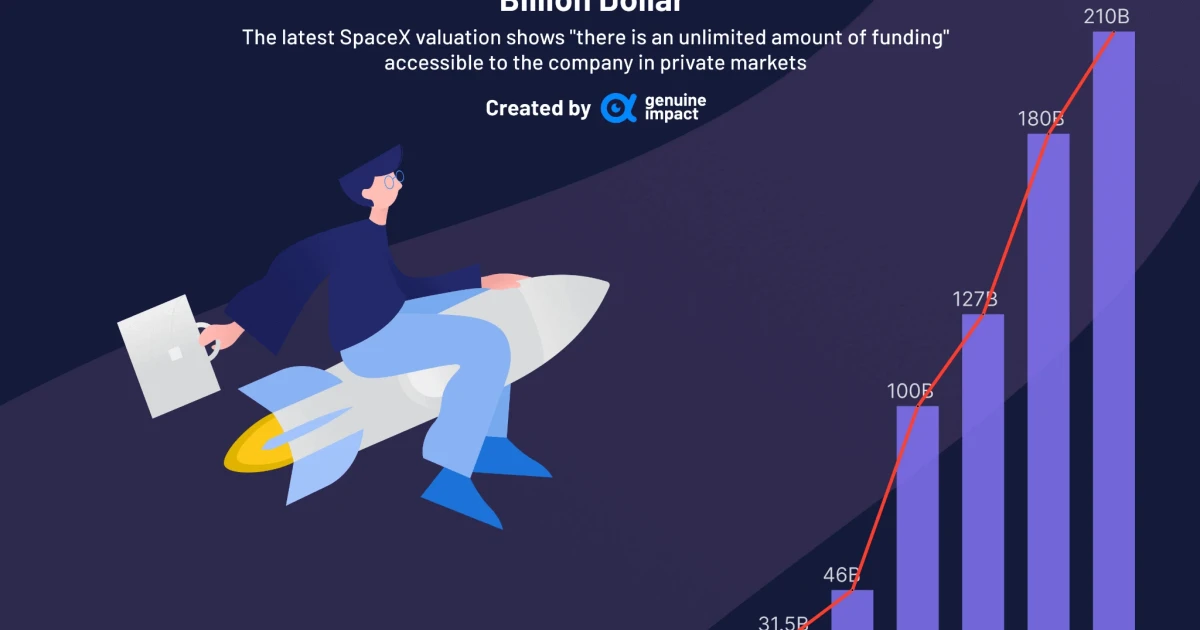
SpaceX surged past Amazon and briefly above Microsoft on Tuesday, lifting the newly public rocket maker to a market value of about $2.85 trillion and putting it among the five most valuable companies in the world. Shares were last up 14.3% at $220, more than 62% above the $135 IPO price, after a record $75 billion offering that has already turned Elon Musk’s company into one of Wall Street’s most crowded trades.
The scale of the re-rating has little to do with current earnings. SpaceX reported $18.7 billion in revenue last year and a $4.94 billion net loss, which means investors are paying a price-to-revenue multiple of roughly 112 times, even before the stock joins major indexes and potentially attracts more passive money. That looks like a scarcity premium as much as a fundamentals bet, because only a small slice of shares is freely tradable and options trading quickly became a market force of its own, with more than 500,000 contracts changing hands in the first hour and more than a million by early afternoon.
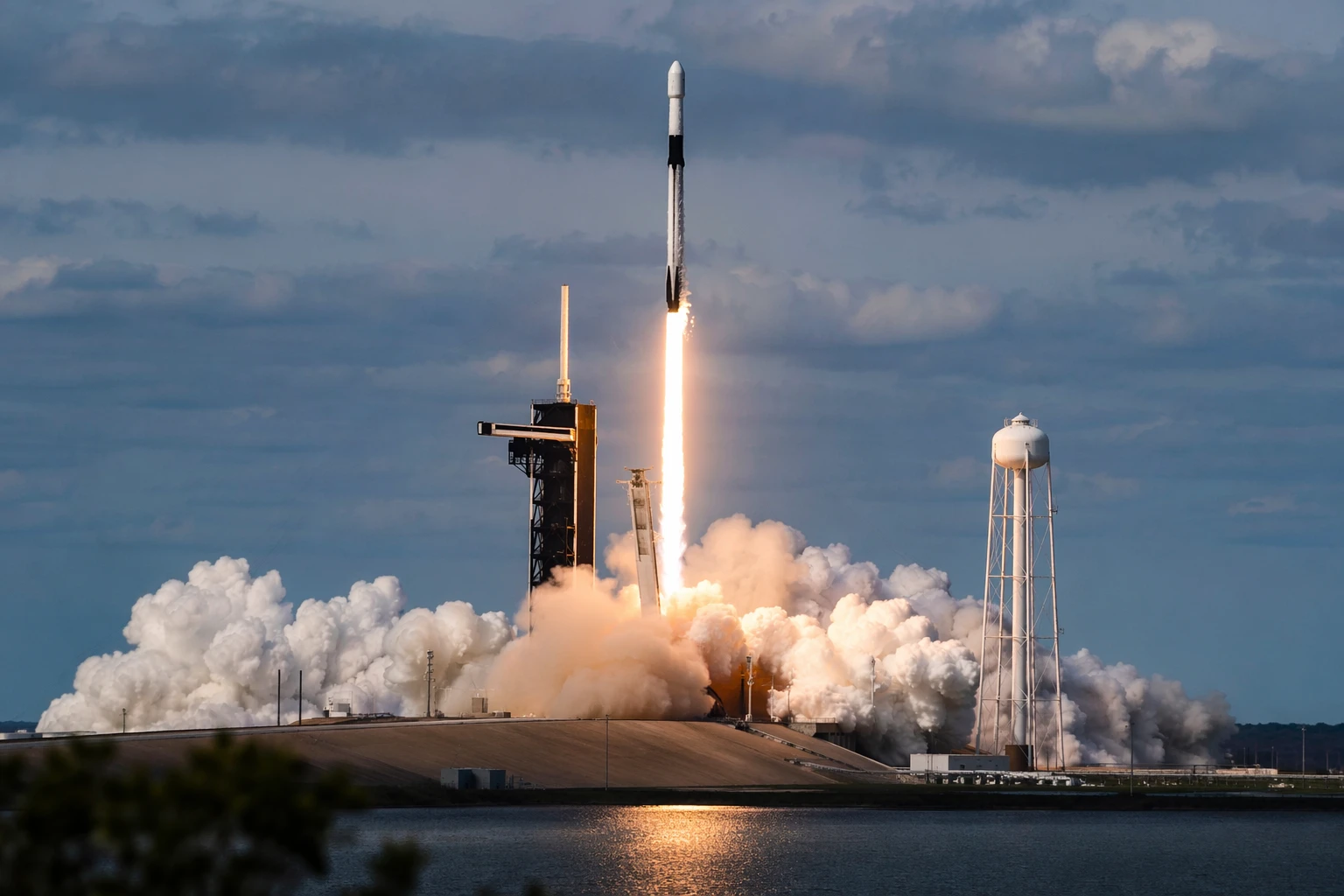
The core bull case rests on Starlink. SpaceX said the connectivity unit, which is primarily Starlink, generated $11.39 billion last year, or 61% of sales, and 69% in the first quarter of 2026; it was also the only profitable division, while the rocket-launching unit, which includes NASA and Department of Defense contracts, lost $657 million and the AI division lost $6.35 billion. In other words, public investors are not just buying rockets, they are betting that Starlink becomes a durable cash engine large enough to subsidize everything else.
That bet extends to launch dominance and the next generation of infrastructure. SpaceX has spent more than $15 billion on Starship, including $3 billion in 2025 and nearly $900 million in the first quarter of 2026, and it expects the vehicle to start delivering payloads to orbit in the second half of 2026. The company says its current Falcon rockets cannot deploy the larger Starlink satellites it wants to launch, which means the valuation assumes Starship will unlock higher-capacity broadband, direct-to-device service and, eventually, orbital data centers.

That is why SpaceX now reads less like a conventional aerospace contractor and more like a platform company with rockets, satellite internet and AI woven into one equity story. If government launch work keeps flowing, Starlink keeps compounding and Starship reaches scale, the valuation may eventually look prescient; if not, Tuesday’s rally will stand as a case study in how markets can reward strategic narrative long before earnings catch up.
Sources
- [1]nytimes.com