Politics
Emanuel warns US Israel ties at a crossroads on Face the Nation
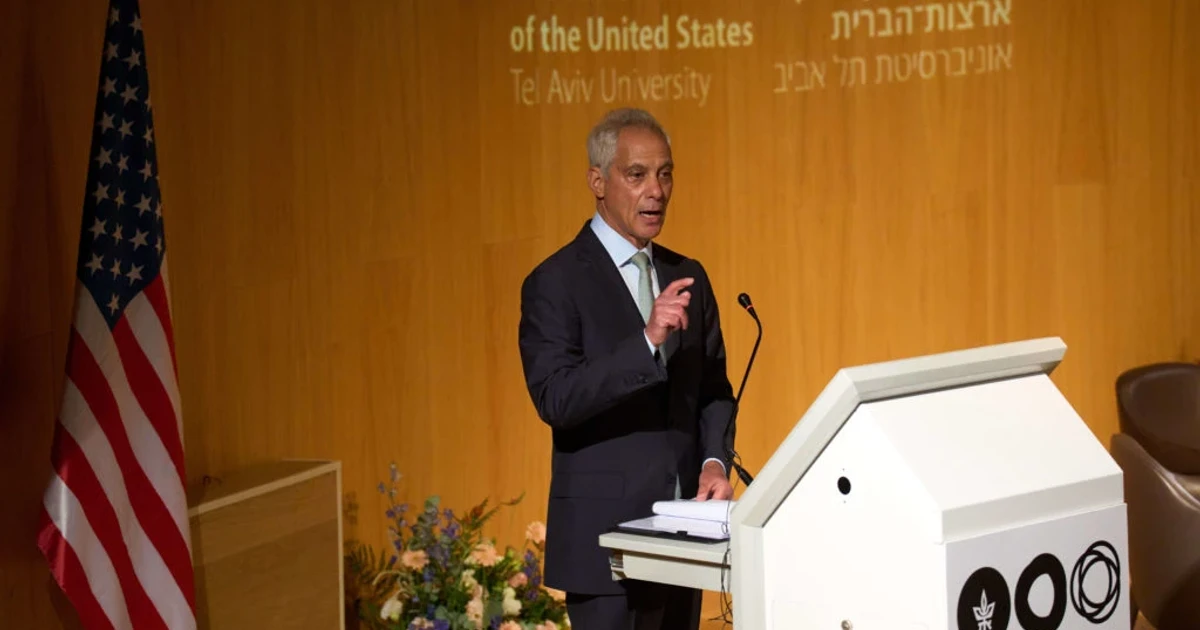
CBS News devoted its July 12 edition of Face the Nation with Margaret Brennan to the sudden death of Sen. Lindsey Graham, and the show opened with tributes before turning to the foreign-policy fights now moving through Washington. Rahm Emanuel, Rep. Mike Turner, retired Gen. Frank McKenzie, Israeli Ambassador Michael Leiter and Sen. Tim Scott were among the guests, giving the broadcast a split screen of remembrance and hard-edged debate over Israel, Russia and Iran.
Emanuel used the appearance to sharpen the warning he gave in Tel Aviv on July 8, when he said the U.S.-Israel alliance was at a “crossroads.” The former White House chief of staff, former Chicago mayor and former U.S. ambassador to Japan argued that support for Israel had weakened among Democrats and younger voters, citing a Reuters account that put Democratic favorability at 59% in 2018 and 22% in May 2026. He also renewed his call to end special U.S. defense subsidies, which total about $3.8 billion a year, putting pressure on both Congress and the White House as Israel policy becomes more politically divided.
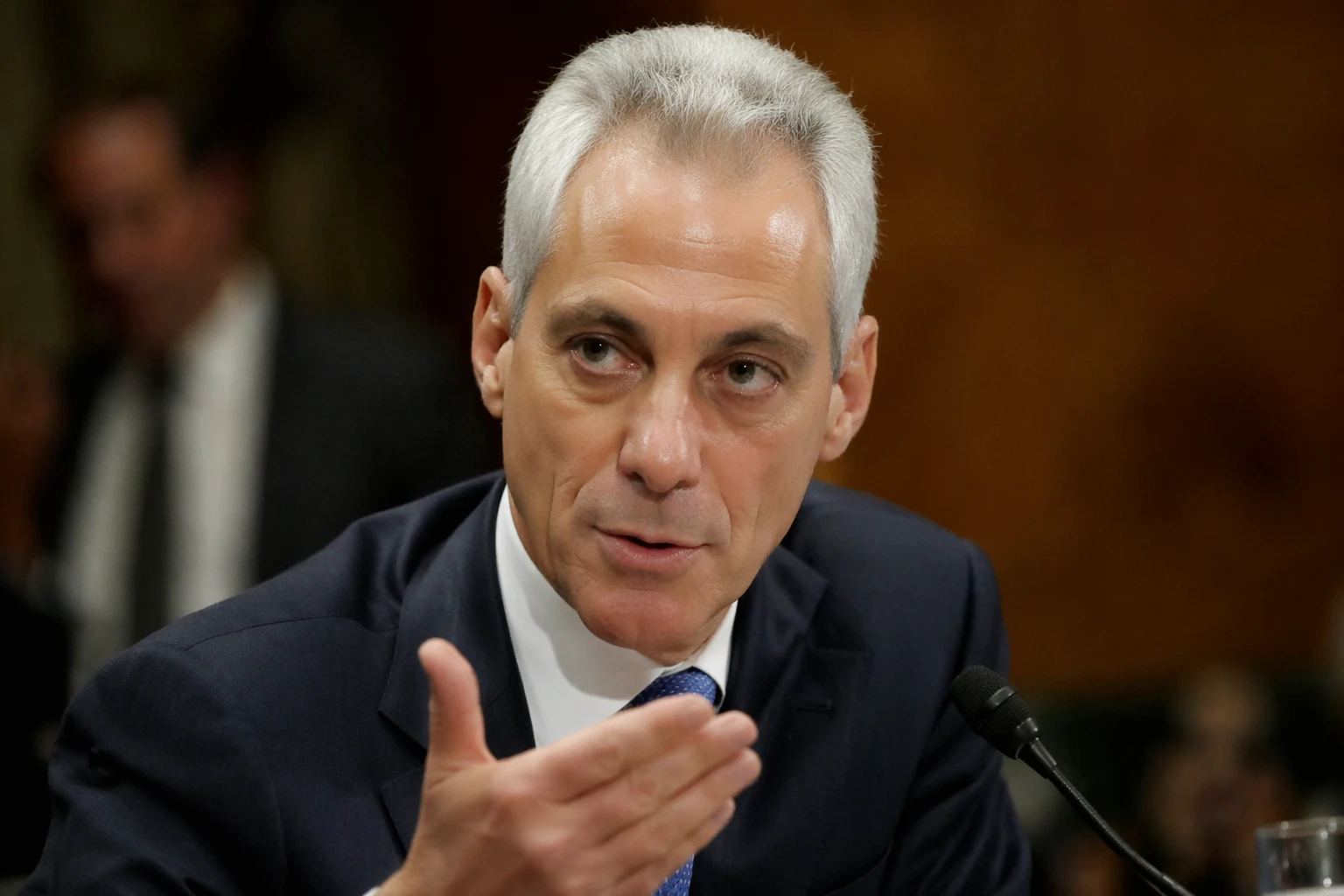
Turner, whom CBS identified as the former chair of the House Intelligence Committee and a Republican from Ohio, steered the conversation toward Graham’s other unfinished priority: Russia sanctions. He said he hoped the Senate would pass the bill as one of Graham’s legacies, keeping a bipartisan national-security measure alive at a moment when lawmakers are weighing tougher action on Moscow. With Graham gone, Turner’s pitch framed the sanctions bill as one of the few clear items of consensus in a week otherwise defined by fracture.
McKenzie shifted the focus to Iran and the Gulf, saying the United States has the capability to control and open the Strait of Hormuz if the president chooses that course. The former commander of U.S. Central Command and current president of The Citadel said the United States could use warships in narrow waters and even consider Kharg Island as part of an operation. His comments underscored how quickly the debate can move from diplomacy to military planning when Iran’s maritime chokepoint is on the table.

The lineup left Washington with a clear map of the week ahead: Senate action on sanctions, renewed White House scrutiny of Middle East policy, and a growing argument over whether U.S. support for Israel should remain automatic or be tied to sharper political and military conditions.
Sources
- [1]cbsnews.com
- [2]al-monitor.com
- [3]pbs.org