World
Emerald ash borer detected in the EU for first time
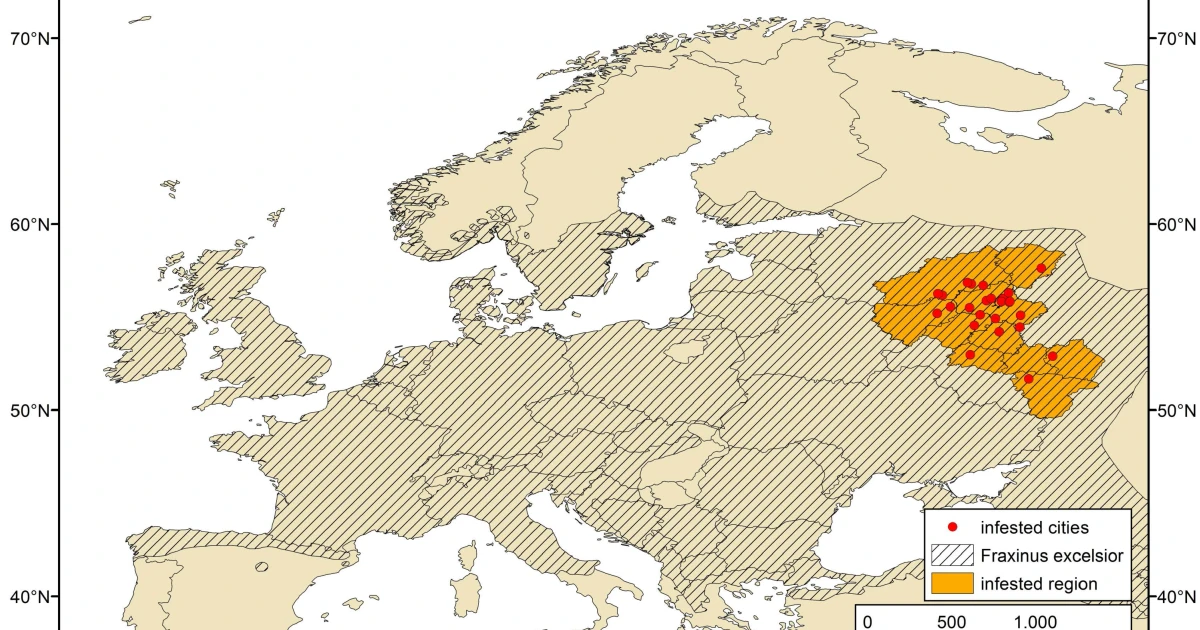
The emerald ash borer has been detected in the European Union for the first time, putting a beetle that has devastated ash forests in North America squarely on Europe’s biosecurity radar. EFSA’s pest-risk material says the EU had recorded no outbreaks before this detection, even as the insect had already been reported elsewhere in the EPPO region.
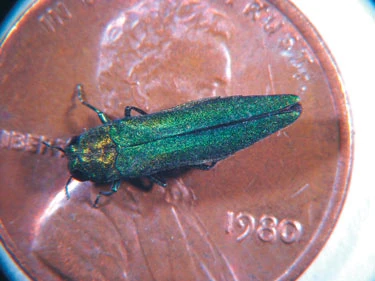
The beetle, Agrilus planipennis, is native to Asia and is hard to catch early because the damage it causes stays hidden under the bark. That makes surveillance and rapid response critical, especially now that EPPO recorded the first report of the species in Belarus in September 2025, a sign of how close it had already moved to the EU border.
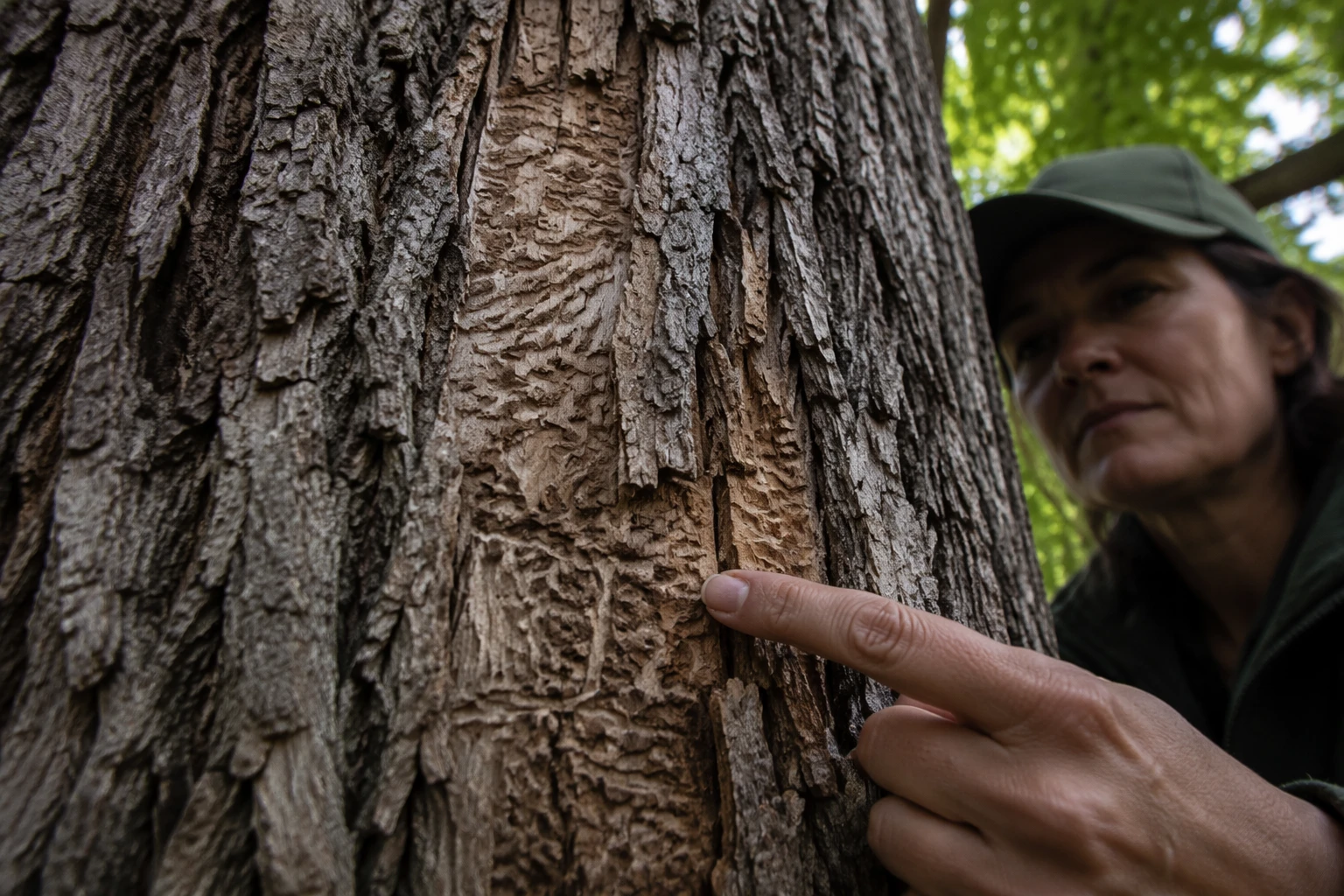
North America shows what is at stake if containment fails. U.S. forestry sources say the emerald ash borer has killed tens of millions of ash trees across the continent, leaving cities, towns and land managers to absorb the cost of removing dead and dying trees and dealing with the loss of canopy cover. Forest Research has warned that the beetle, which originated in South-east Asia, has become a serious killer of ash trees in North America and in the European part of Russia.
Europe’s ash species are not identical to the ones that have been ravaged in North America, and some research suggests European ash may be more resistant. But that does not make them safe. EPPO and other briefing materials have already flagged the pest as a serious threat to European ash trees and forests, including urban plantings that line streets, parks and municipal green spaces.
The first EU detection now tests whether border checks, plant-health surveillance and controls on wood products can keep pace with a pest that spreads quietly and can establish before it is noticed. If officials miss the early window, the result can be familiar: lost trees, higher removal bills for cities and a long ecological recovery measured in decades rather than seasons.