Health
Emergency room scan reveals late-stage colon cancer, leads to liver transplant
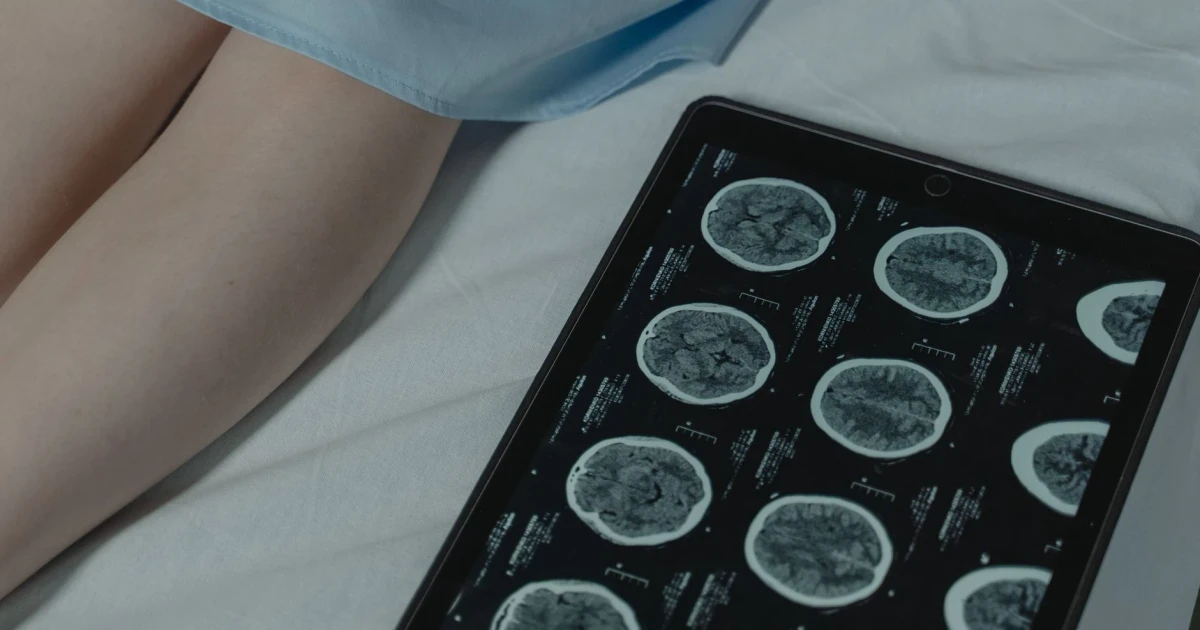
An emergency room scan that Amy Piccoli expected would explain dehydration instead exposed stage 4 colorectal cancer that had already spread to her liver. Nearly a year and a half later, the 39-year-old mother of three reached a far rarer outcome: a living-donor liver transplant at Northwestern Medicine, after doctors found her disease was confined to the liver and had responded well to treatment.
Piccoli went to an emergency department in Los Angeles in May 2024 after a stomach bug spread through her family. She had no symptoms of cancer, no family history, no pain and no changes in bowel habits. The diagnosis was confirmed later that month after scans showed a mass in her colon and metastases in her liver, turning what began as a routine visit for dehydration into a diagnosis that upended her life in a single day.
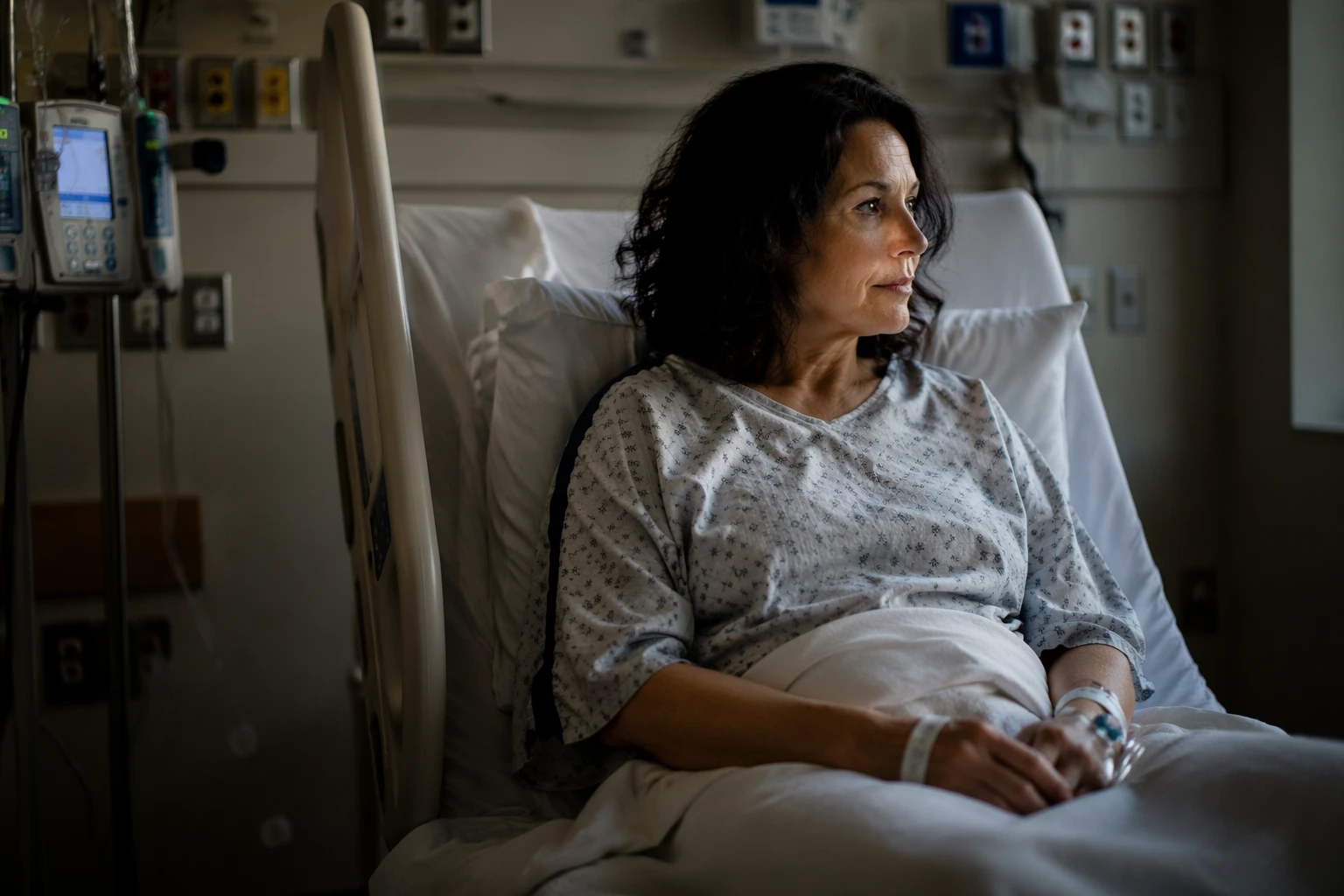
She began chemotherapy in June 2024. Genetic testing later showed that immunotherapy could help, and doctors added it in July 2024. From there, her California team worked to shrink the disease enough to consider surgery, a path that led her to Chicago in September 2025 for evaluation at Northwestern Medicine. There, a multidisciplinary team decided she was a strong candidate for a living-donor liver transplant because the cancer had remained limited to the liver and had responded to treatment.
Northwestern Medicine says this approach is still available at only a handful of centers and is aimed at patients with colorectal cancer that has spread only to the liver. The hospital also says colorectal cancer is now the leading cause of cancer-related death among Americans under 50, a statistic that gives Piccoli’s case a wider significance even as it remains unusual. Northwestern doctors say chemotherapy alone has historically produced only about a 10 percent five-year survival rate for unresectable colorectal liver metastases, one reason the transplant option matters.
Piccoli’s donor was her friend Lauren Prior, who lives in Chicago’s north suburbs and wanted to help because Piccoli’s life was so important to her. Piccoli got the call that a donor had been found while standing in line at Disneyland. Behind the medical milestones was a family trying to absorb the shock of a stage 4 diagnosis, including her husband and their three children, then ages 6, 5 and 2. Piccoli has described nights of crying and telling her children that the medicine would make her tired and cause her hair to fall out.
Sources
- [1]cbsnews.com
- [2]nm.org
- [3]nbcchicago.com
- [4]sth.nhs.uk