Entertainment
Emily Yuen elevates family recipes at New York’s Michelin-starred Yingtao
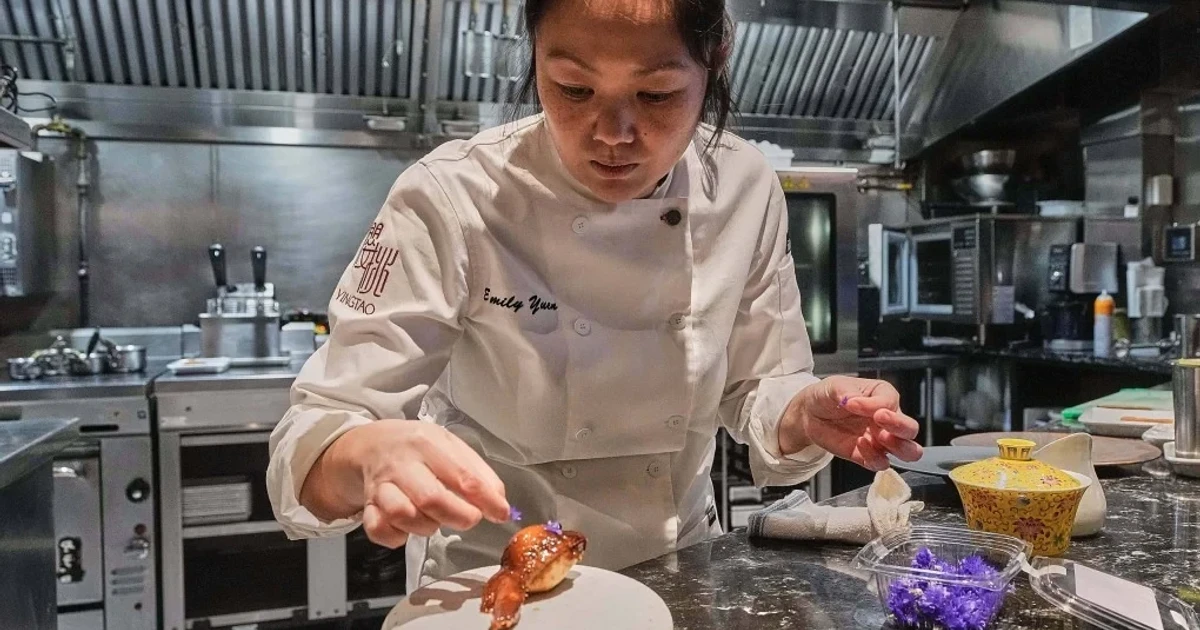
Yingtao sits in Hell's Kitchen as a rare marker in New York dining: a Chinese restaurant led by executive chef Emily Yuen and widely described as the city’s only Michelin-starred Chinese restaurant. OpenTable goes further, calling it the only Michelin-starred Chinese tasting menu restaurant in New York City, a distinction that places the room in a narrow corner of Manhattan fine dining. Yuen’s work there centers on a modern reading of family recipes from Xi'an, Shanghai and Hong Kong, keeping the restaurants’s inherited structure intact while changing the way it is presented.
A grandmother-inspired concept in Hell's Kitchen
Yingtao opened on 9th Avenue with a grandmother-inspired concept, and that family reference is central to how the restaurant reads. The idea is not to remake Chinese food into something generic and exportable, but to bring recipes shaped by household memory into a contemporary tasting-menu format. That approach matters in a city where Chinese cuisine is often filtered through broad labels, because it keeps the distinct culinary identities of Xi'an, Shanghai and Hong Kong visible rather than collapsing them into a single style.
The restaurant’s official about page and profile listings identify Yuen as executive chef, placing her at the center of that translation. In practical terms, that means the food is not just Chinese in name, but shaped by a chef making editorial decisions about which family traditions remain legible on the plate and which modern techniques can support them without erasing their roots. The result is a restaurant that frames heritage as something specific, regional and lived-in.
Why the Michelin recognition matters
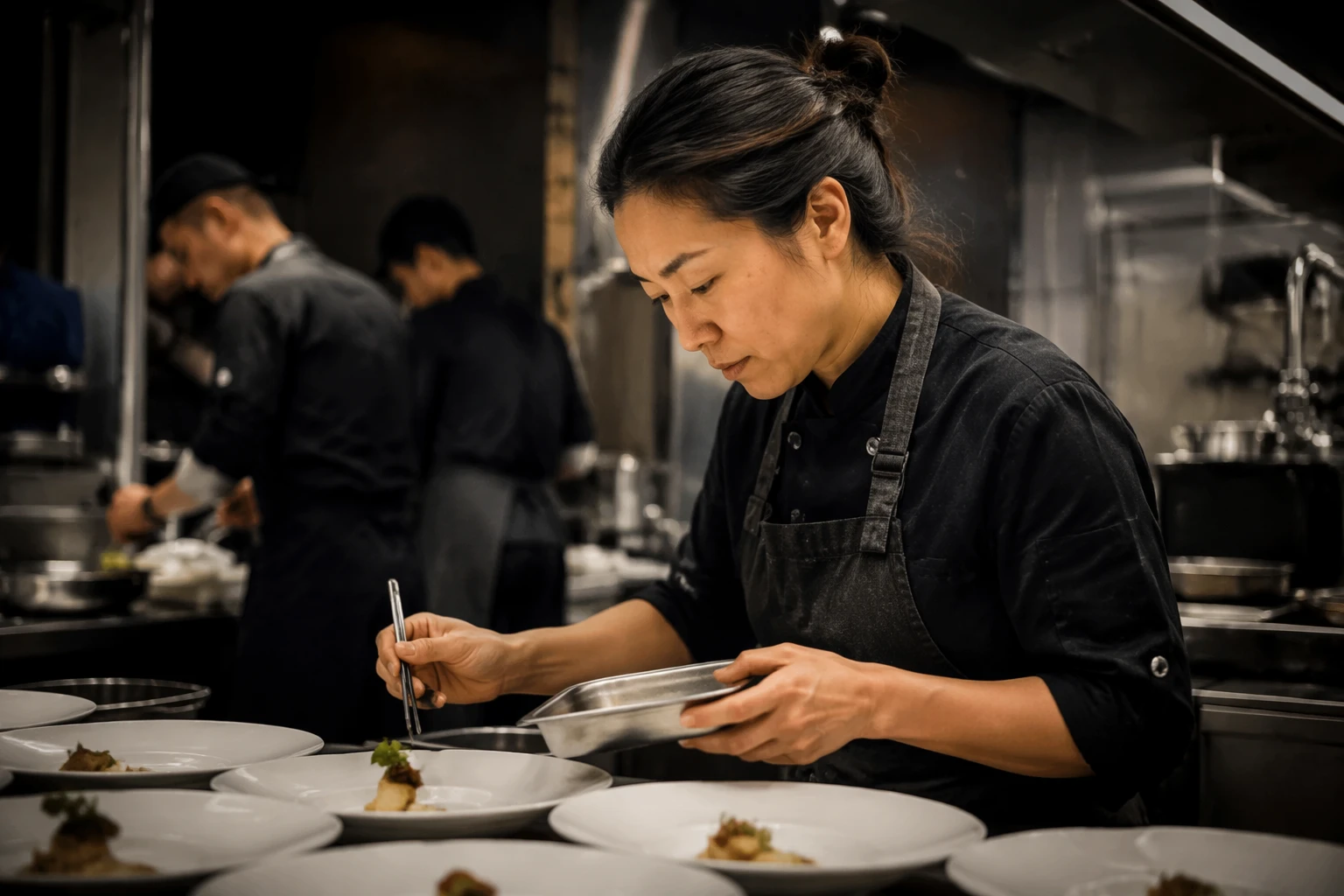
Yingtao’s Michelin status gives this approach a level of visibility that casual fine dining attention rarely provides. The Michelin Guide’s New York listing places the restaurant inside the city’s elite dining map, while a January 29, 2025 Michelin Guide article about Yingtao frames it as part of a larger movement in the United States, where chefs are pushing back against the stereotype that Chinese food belongs mainly in the takeaway category. That context is important because the recognition is not just about one kitchen’s technique, but about what kinds of Chinese cooking are allowed to be seen as serious, ambitious and worthy of a tasting menu.
For Chinese regional cuisines, that visibility has consequences beyond one reservation book. A star on a restaurant serving family recipes from Xi'an, Shanghai and Hong Kong helps signal that these traditions can be presented in American fine dining without being simplified into a single, flattened idea of "Chinese food." It also gives diners a clearer path to understanding that Chinese cuisine is not one culinary language, but many, each with its own geography, history and structure.
Emily Yuen’s path to the moment
Yuen’s profile has risen alongside the restaurant. In 2025, she was named a semifinalist for the James Beard Award for Best Chef: New York State, a milestone that places her among the region’s most closely watched chefs. She previously worked at Lingo, adding another stop to a career that now connects neighborhood dining experience with Michelin-level recognition.
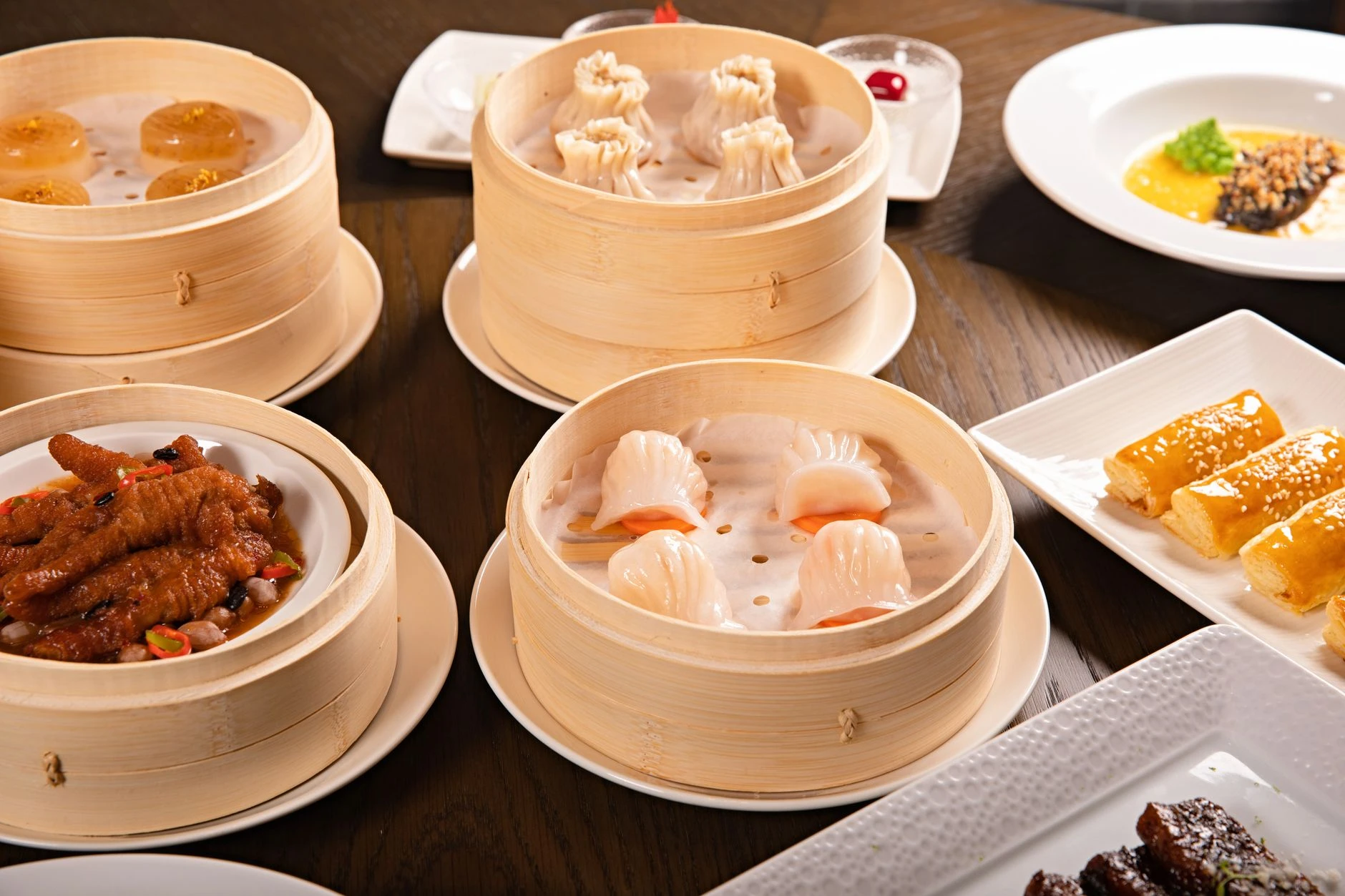
That trajectory matters because Yingtao’s attention is not built on novelty alone. Yuen brings credibility from work that predates the star, and the restaurant’s grandmother-inspired framing suggests that her career at Yingtao is not a break from family cooking but an extension of it. The modern presentation is doing something more demanding than decoration: it is carrying memory into a format that the Michelin Guide and the James Beard Foundation both know how to measure.
What Yingtao signals in New York dining
Yingtao’s place in Hell's Kitchen makes it part of a broader Manhattan story about who gets to define Chinese fine dining in the United States. The restaurant is unusual not because Chinese food needs to be validated by outside institutions, but because those institutions have historically rewarded a narrower range of cuisines and styles. When a Chinese tasting-menu restaurant earns a Michelin star in New York, it expands the field of reference for what fine dining can look like and whose culinary lineages can sit within it.
That shift is especially visible in Yingtao’s emphasis on specific regional roots. Xi'an, Shanghai and Hong Kong do not function here as marketing shorthand; they are the organizing logic of the menu’s identity. In Yuen’s hands, the restaurant becomes a case study in cultural translation, showing how a chef can modernize family recipes for a New York dining room while keeping the distinctions that make those recipes meaningful in the first place.
Sources
- [1]cbsnews.com
- [2]opentable.com
- [3]yingtaonyc.com
- [4]guide.michelin.com
- [5]jamesbeard.org
- [6]scmp.com