Business
Emirates plans incentives to reassure travelers amid Iran war fears
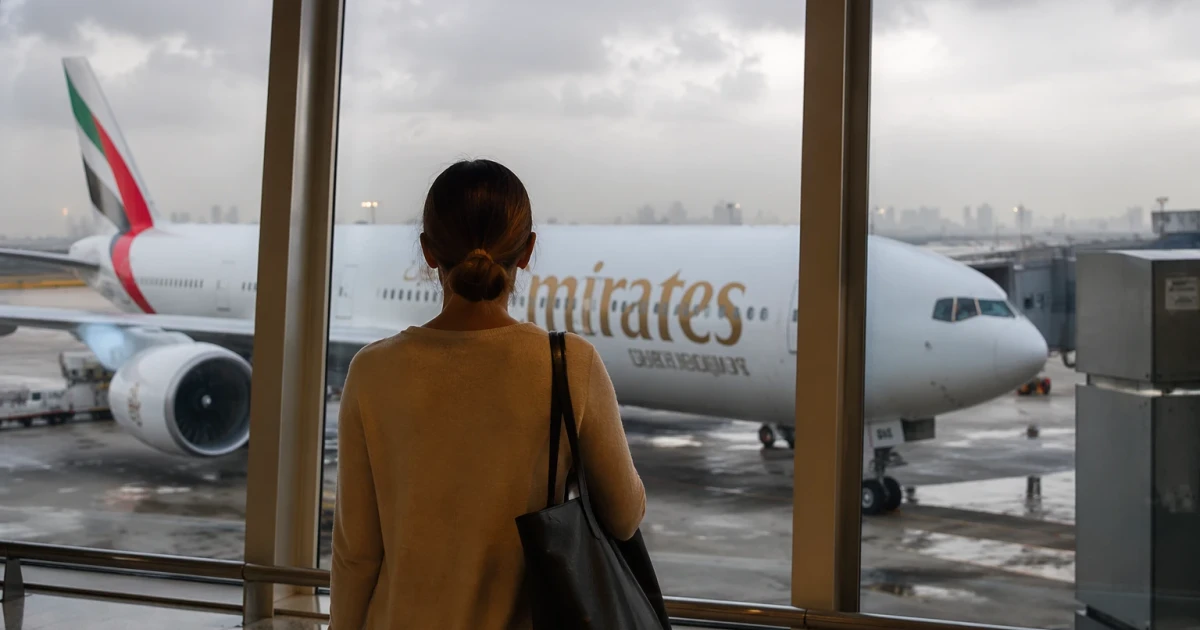
Travelers spooked by war do not just shop for the lowest fare. They buy confidence that a trip will still happen, that connections will hold, and that a route through Dubai will feel dependable when the region around the Gulf looks uncertain.
That is the calculation Emirates is making. Tim Clark said the airline would offer “all sorts of incentives other than price” to win back passengers worried about the Iran war, while keeping its flight schedule intact even as higher operating costs and regional disruption test demand. The comments came in Clark’s first interview with a global news agency since the conflict began in late February 2026, a sign that Emirates sees reassurance as a commercial strategy, not a side issue.
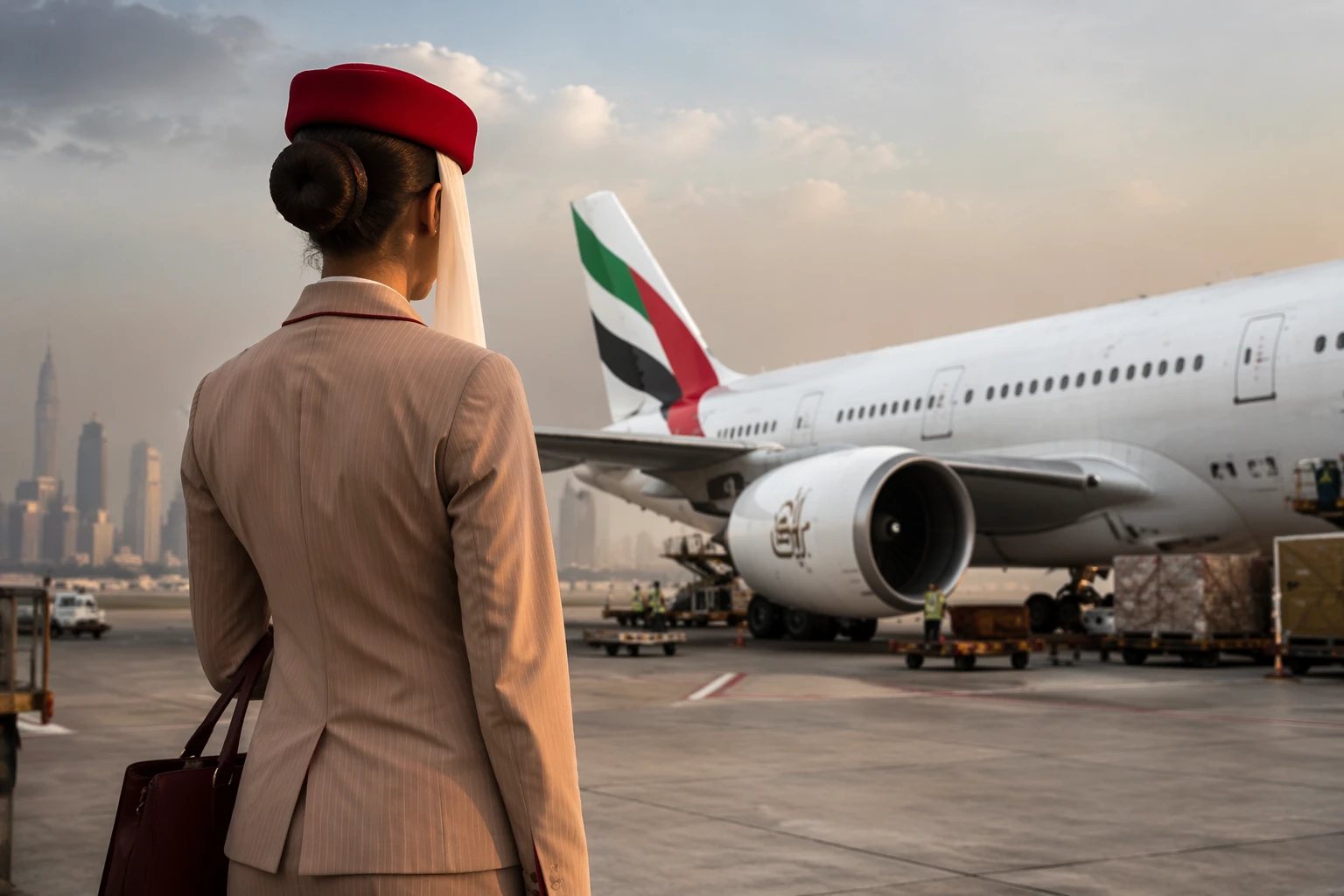
The stakes are high because Gulf aviation runs on transfer traffic. In the early weeks of the conflict, Reuters reported in March that tens of thousands of passengers were stranded across Gulf hubs amid cancellations. Since then, disruptions to Gulf airspace have forced airlines to redraw flight paths, adding cost and complexity at the same time that travelers are becoming more cautious about the region. For a carrier built on long-haul connections, any doubt about reliability can quickly ripple into bookings, corporate travel, and tourism.
Emirates has the financial strength to absorb some of that pressure. On May 7, 2026, Emirates Group said it had posted a record annual profit of AED 24.4 billion, about US$6.6 billion, and Emirates alone reported record full-year net profit of US$5.4 billion for the 12 months ended March 31, 2026. The company said strong cash reserves and fuel hedging gave it room to handle higher jet-fuel prices and Iran war disruption, making it easier to resist a broad discounting campaign.
The wider industry is feeling the same strain. The International Air Transport Association said on June 7, 2026 that war-related Middle East disruptions and high fuel prices would roughly halve airline profitability this year. IATA still forecast global passenger traffic growth of 2.1% in 2026 and cargo growth of just 0.7%, but it warned that Middle East carriers face a deep contraction as airspace restrictions reroute traffic toward Africa and Asia-Pacific.
That matters because the Gulf hub model depends on scale. Before the conflict, Emirates, Qatar Airways and Etihad Airways together accounted for about one-third of passenger traffic between Europe and Asia and more than half of traffic between Europe and Australia, New Zealand and the Pacific Islands, according to Cirium. Emirates is trying to defend that network position now, betting that in a period of war fears, the strongest currency is not a cheap ticket but trust that the journey will still connect.
Sources
- [1]travel.yahoo.com
- [2]emirates.com
- [3]iata.org
- [4]arabnews.com
- [5]money.usnews.com
- [6]straitstimes.com