Health
Empty Chairs campaign invites strangers to sit, talk, and connect

Empty Chairs has spread beyond the UK into six other countries, turning pub tables into low-pressure places for strangers to sit and talk. A related version of the project was also rolled out in Jersey, extending a campaign built around one simple idea: leave seats open so no one has to sit alone.
The project describes itself as a community-led effort that invites people to gather at pub tables across the UK. Its website lays out an About page, Get involved information, an event map and an Upcoming section, signaling a network of local meet-ups rather than a one-time stunt. The formula is straightforward: book a table, leave empty chairs and make room for whoever walks in.

The campaign was prompted by the death of one co-founder’s brother, giving the project a personal origin as well as a social one. Supporters present it as a relaxed, no-pressure way to get out of the house and meet new people, with the emphasis on ordinary conversation rather than formal support. That distinction matters in a country where loneliness is widespread but often hard to measure.
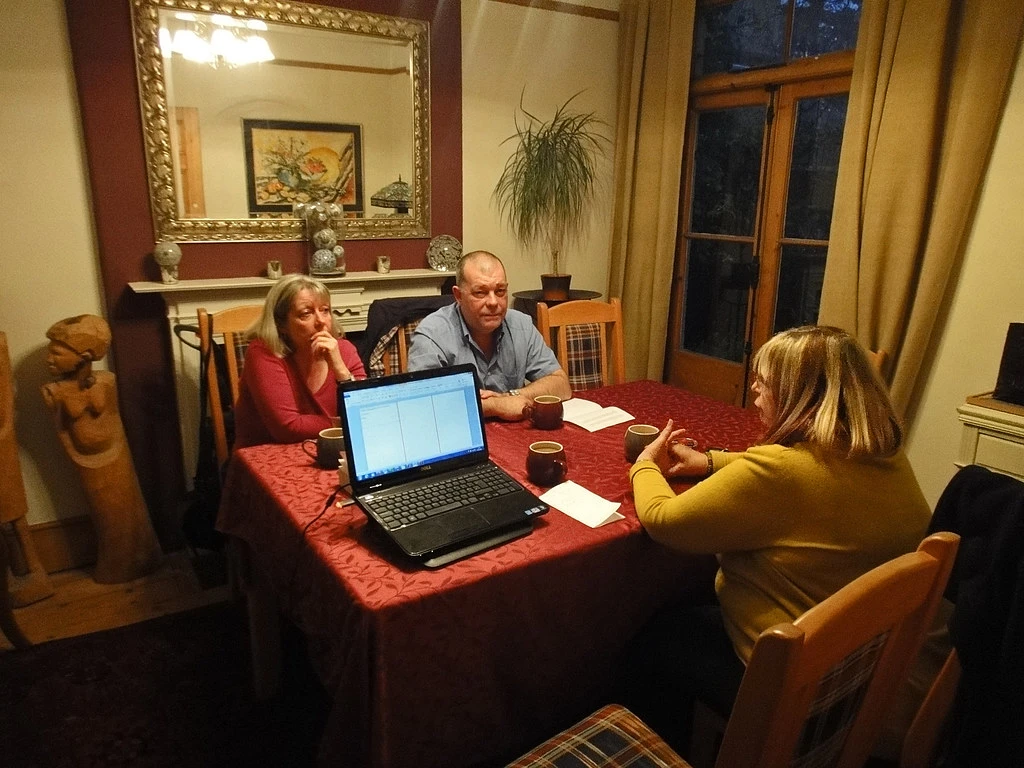
One 2016 New York Times report cited a study of 1,604 participants in which 43 percent said they felt lonely. Those participants also had significantly higher rates of health risks, a finding that helped put loneliness on the public-health agenda. A 2015 working paper for Grand Challenges for Social Work went further, calling the reduction of social isolation and loneliness a grand challenge for the field.

Empty Chairs fits that problem with an intervention that is cheap, visible and easy to copy. It does not require clinics, appointments or specialist staff, only a table, a willingness to host and enough strangers prepared to pull up a chair. In a policy landscape where loneliness is often discussed as a costly social failure, the campaign’s growth suggests that small, community-run efforts can still move people toward connection.
Sources
- [1]cbsnews.com
- [2]bbc.com
- [3]emptychairs.org.uk
- [4]nytimes.com
- [5]grandchallengesforsocialwork.org
- [6]taps.org