Sports
Empty seats shadow Argentina's quarterfinal despite Messi draw
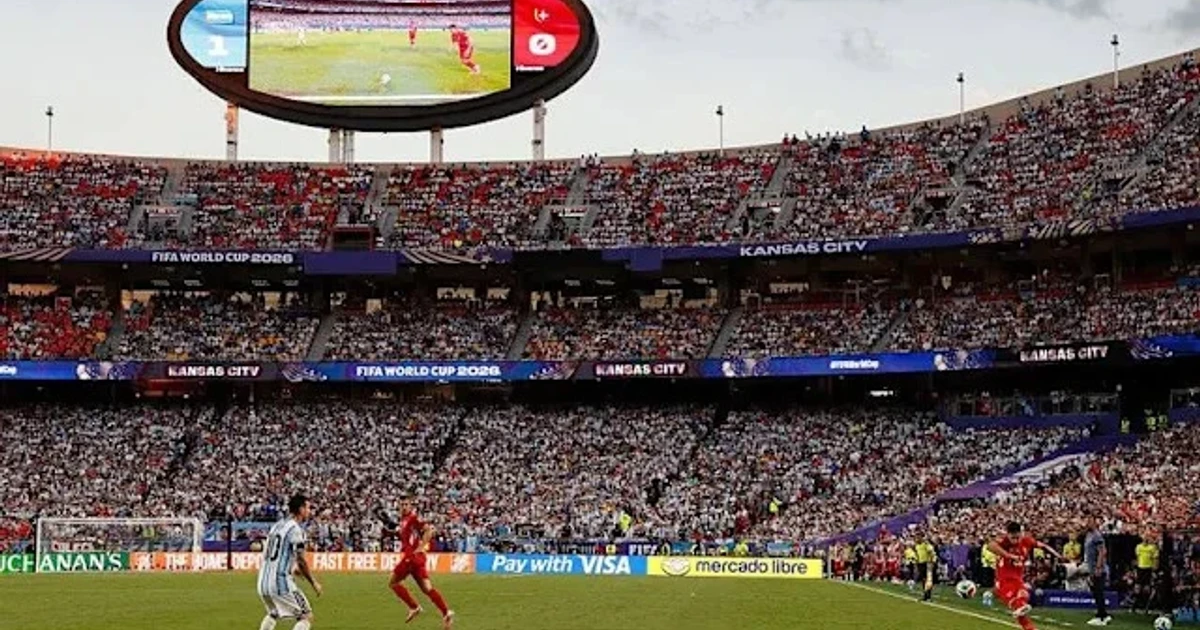
Argentina’s quarterfinal against Switzerland drew a listed sellout of 69,045 at Arrowhead Stadium, but the sightlines told a different economic story: vacant seats were visible across the stands despite Lionel Messi’s pull and the scale of the event. The match in Kansas City on Saturday, July 11, 2026, exposed the tension at the heart of FIFA’s expanded World Cup, where premium pricing and a heavy hospitality mix can maximize revenue while leaving atmosphere thinner than the headline attendance suggests.
FIFA says its official attendance figures are based on tickets scanned and spectators present inside the stadium footprint, not on how many seats are visibly filled. That distinction mattered in Kansas City, where fans standing in concourses and other areas could be counted in the total even if assigned seats remained empty. The same issue had already surfaced in Guadalajara on June 11, 2026, when FIFA reported 44,985 for South Korea against the Czech Republic at Estadio Akron, a venue with a capacity of about 46,000, while empty sections again raised questions about demand.
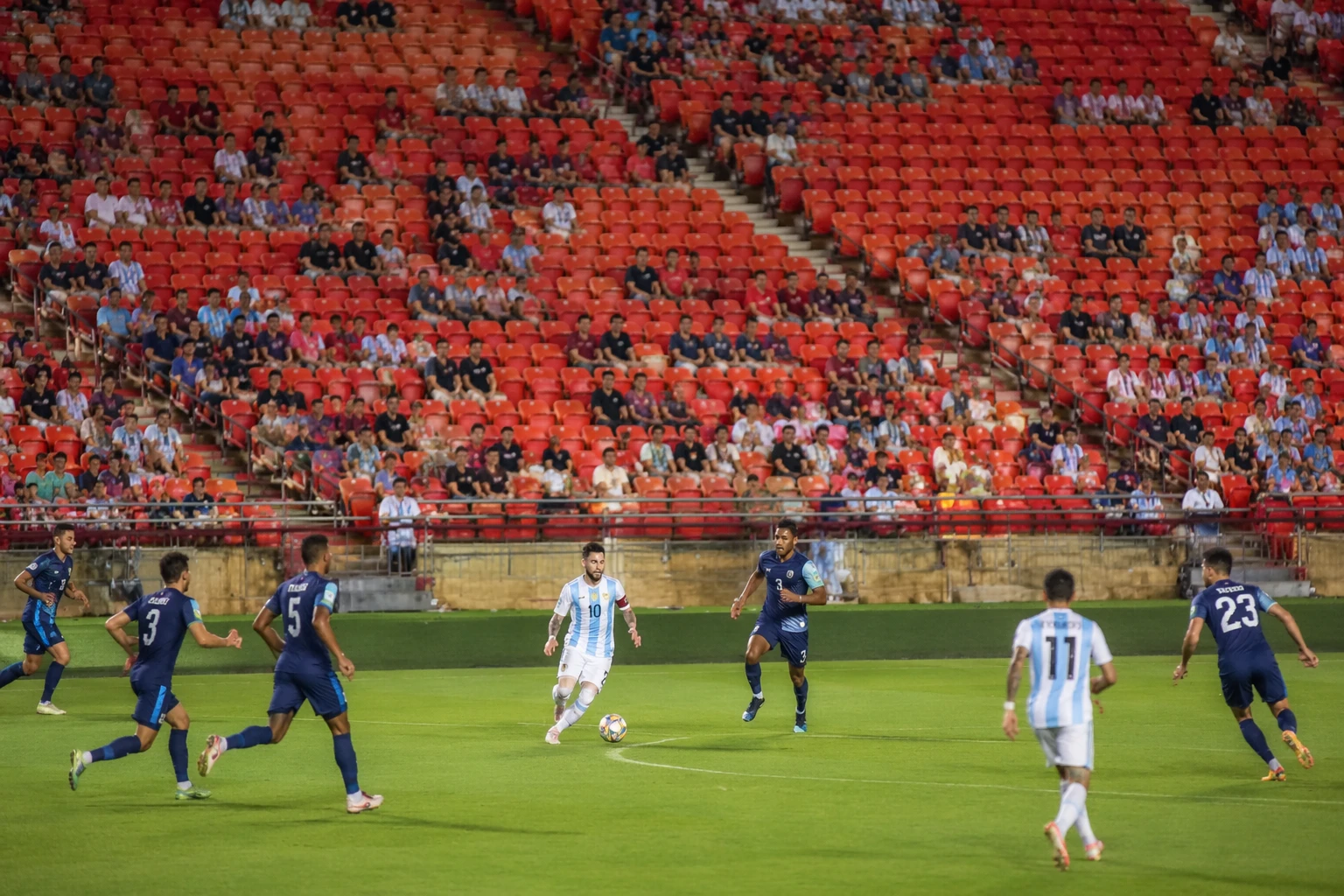
The pricing structure helps explain why. FIFA initially set the cheapest 2026 World Cup group-stage tickets at $140, up from $69 in Qatar in 2022, and final tickets eventually climbed as high as $32,970, compared with about $1,600 for the 2022 final. In the hospitality section, some seats were around $5,000, while lower-tier general admission tickets were about $500. FIFA president Gianni Infantino has defended the prices as comparable to other major sporting events, but the numbers show how quickly a tournament built around scarcity and premium inventory can drift away from ordinary supporters.
FIFA has also tried to prove the market remained strong. It said it had sold more than six million tickets for the tournament, then later offered 130,000 tickets at $60 to national federations for regular supporters. That effort suggests the organization knows the optics of empty seats matter as much as the revenue math. The first 48-team World Cup has widened the commercial reach of the tournament, but it has also sharpened the risk that higher prices and more VIP inventory will hollow out the crowd energy that makes Messi and Argentina such reliable draws.
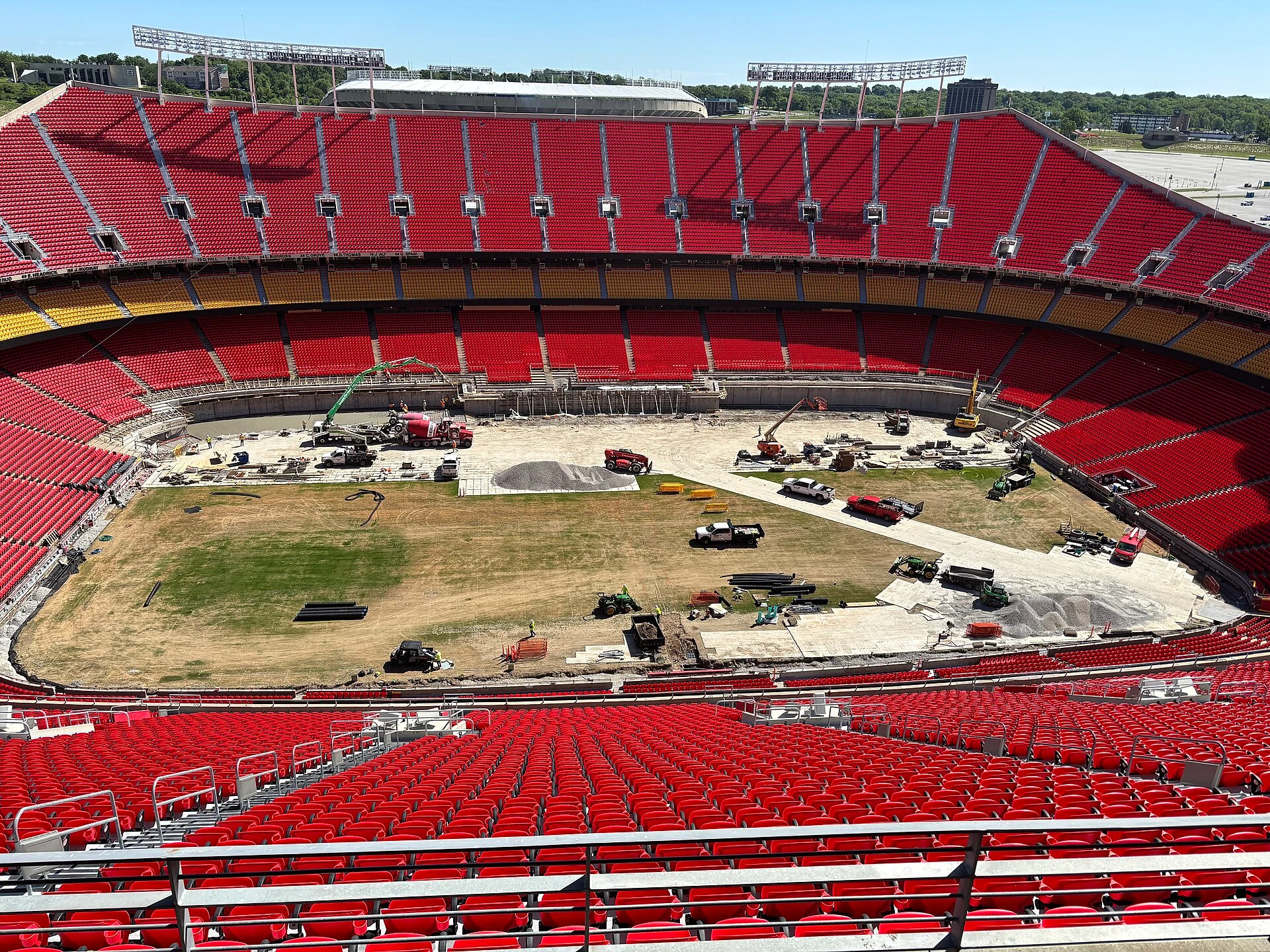
Empty-seat controversies were not new in Kansas City. Similar complaints surfaced at the 2014 World Cup in Brazil and again in Qatar in 2022, when underfilled arenas were tied to pricing, travel and unused sponsor allocations.
Sources
- [1]nytimes.com
- [2]usnews.com
- [3]yahoo.com
- [4]youtube.com