Technology
Endeavour Optical Networks plans fastest space laser communications system yet
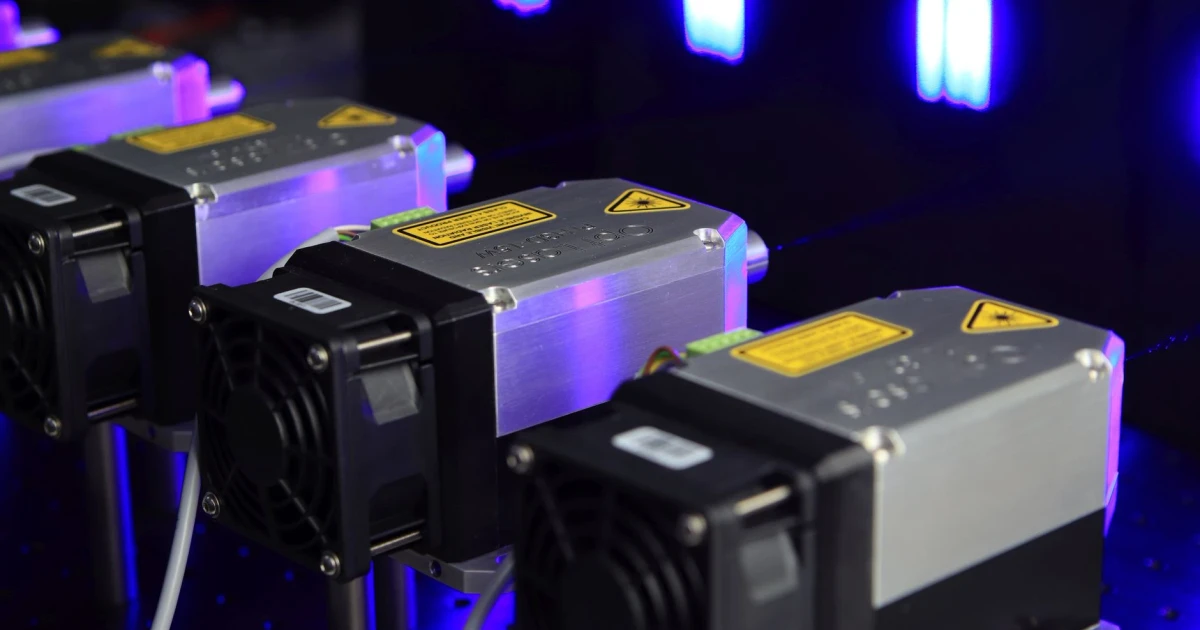
Endeavour Optical Networks is planning to launch what it says will be the fastest space laser communications system yet, stepping into a race that has already produced record-breaking optical links from orbit. The technology’s draw is blunt: satellites are generating more data than conventional radio-frequency downlinks can efficiently carry, and lasers can move far more of it, far faster.
MIT Lincoln Laboratory’s TBIRD experiment has already delivered terabytes of data at rates of up to 100 gigabits per second through an optical link to a ground-based receiver in California. MIT says that is 100 times faster than the fastest internet speeds in most cities and more than 1,000 times higher than traditional satellite radio links, making TBIRD the highest data rate ever achieved by a laser link from space to ground.
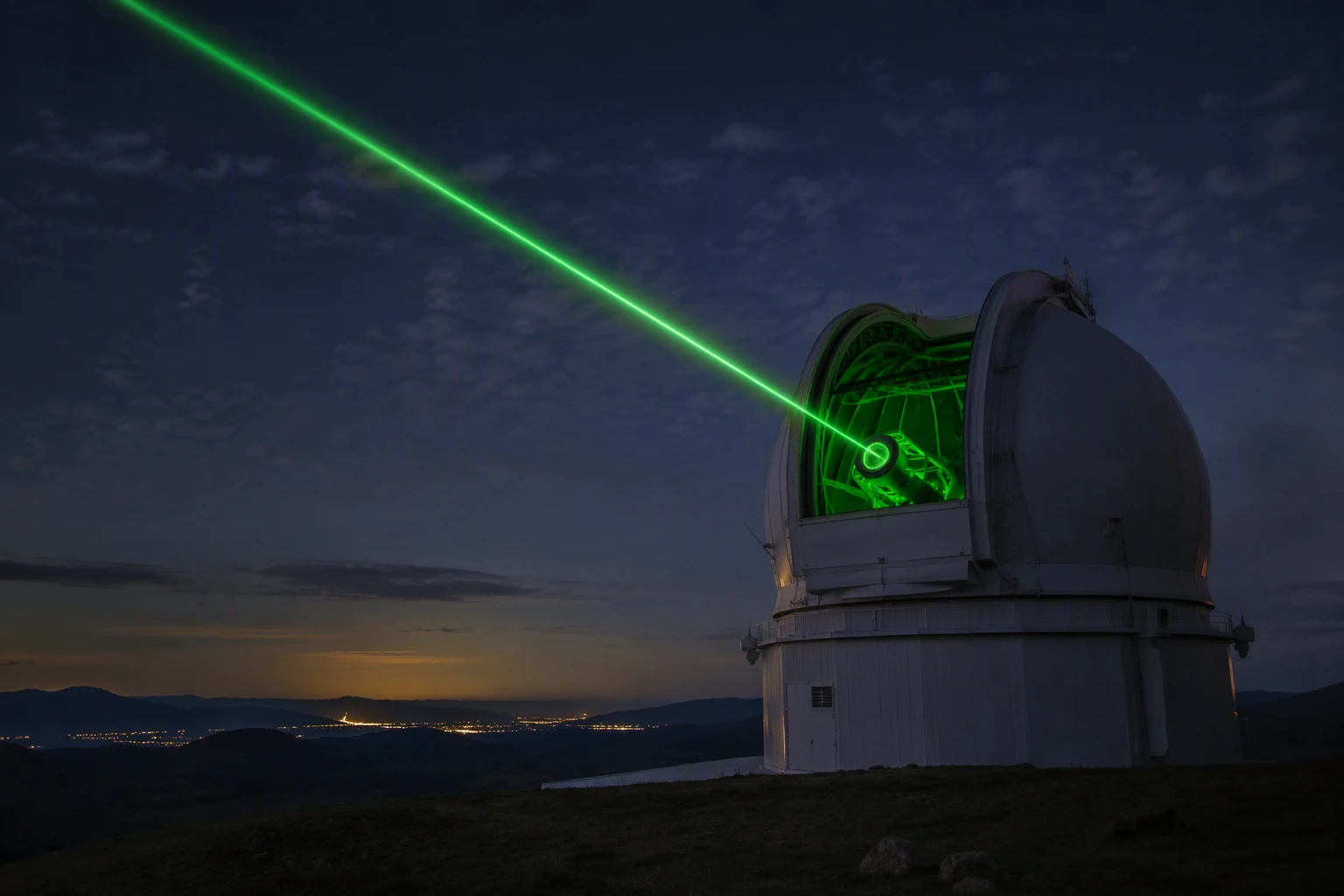
NASA has been building the case for optical communications for years. Its timeline begins with the Lunar Laser Communications Demonstration in 2013 and later includes the Laser Communications Relay Demonstration in 2021. In December 2023, NASA’s Deep Space Optical Communications experiment aboard the Psyche mission was highlighted as a major milestone, showing that laser links are moving beyond low Earth orbit demonstrations and into deep-space operations.
The commercial sector has been moving in the same direction. Amazon said in December 2023 that Project Kuiper had completed successful tests of an optical mesh network in low Earth orbit and that laser links will be included on every satellite in its constellation. Spire Global said on March 3, 2025, that it achieved two-way laser communication between satellites in space. AeroVironment later announced a $240 million space long-haul laser communication order on Sept. 8, 2025, underscoring that optical terminals have become a serious procurement line, not just a lab project.
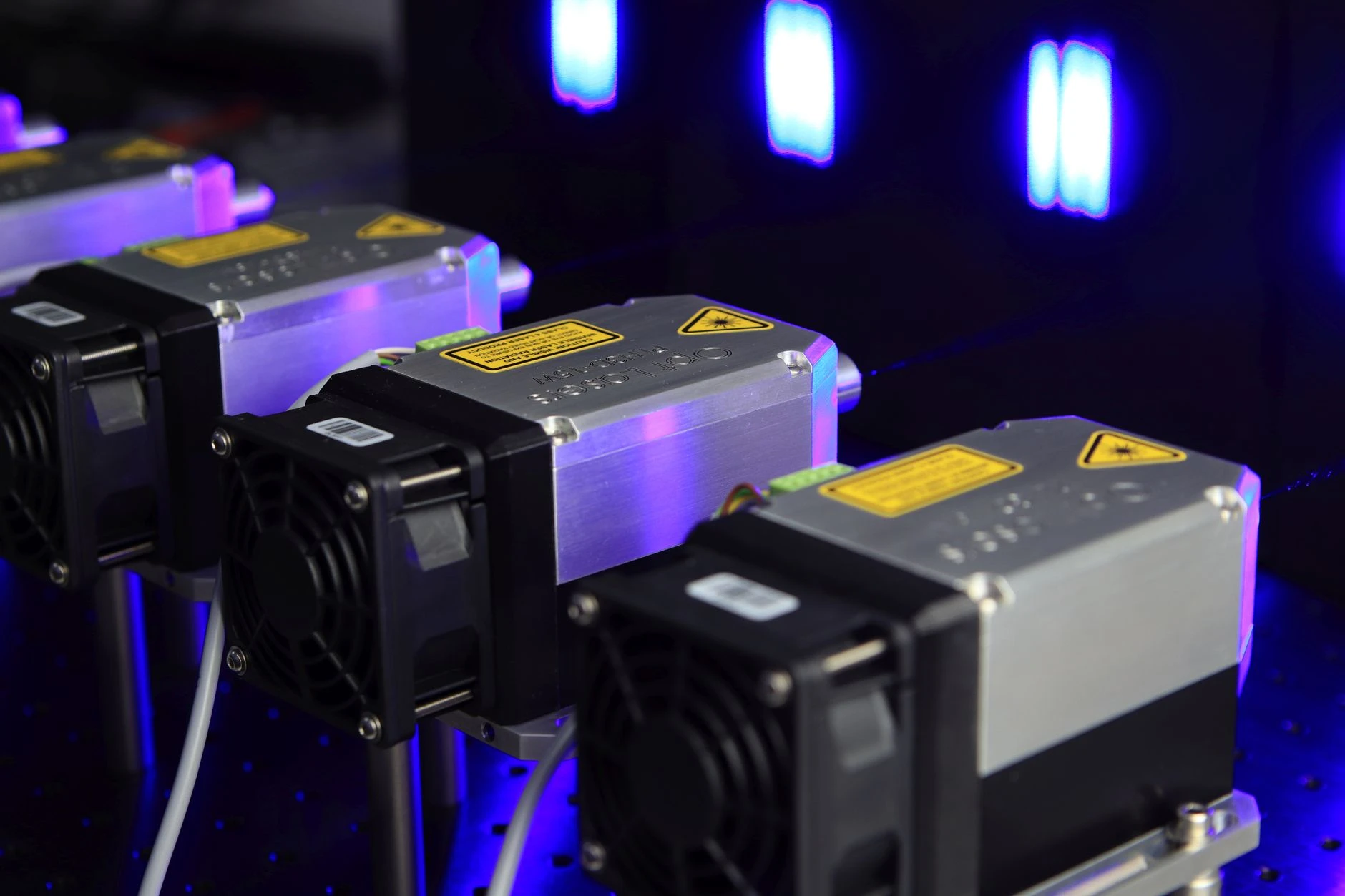
The strategic appeal is straightforward. Space lasers do not replace undersea fiber for ordinary terrestrial traffic, and they do not eliminate the speed-of-light delay that comes with any long-distance link. What they do solve is a satellite bottleneck: they can drain far more data from orbit during each pass, reduce congestion between sensors and ground stations, and create mesh connections in space that are not tied to a single radio-frequency path.

That also changes the risk profile. Unlike subsea cables, which concentrate traffic along fixed routes and landing points, space optical links spread traffic across satellites and ground receivers, reducing exposure to cable cuts, chokepoints and some geopolitical pressures. For Endeavour Optical Networks, the challenge is not proving that lasers can work. The harder test is whether its system can match the pace of growing satellite data demand while holding down cost, complexity and outage risk enough to compete with the networks already moving toward optical links.
Sources
- [1]techcrunch.com
- [2]ll.mit.edu
- [3]news.mit.edu
- [4]nasa.gov
- [5]aboutamazon.com
- [6]ir.spire.com
- [7]avinc.com
- [8]endeavormiami.org
- [9]youtube.com
- [10]spie.org
- [11]laserlightcomms.com