US News
Energy Department to turn Cold War uranium site into AI campus
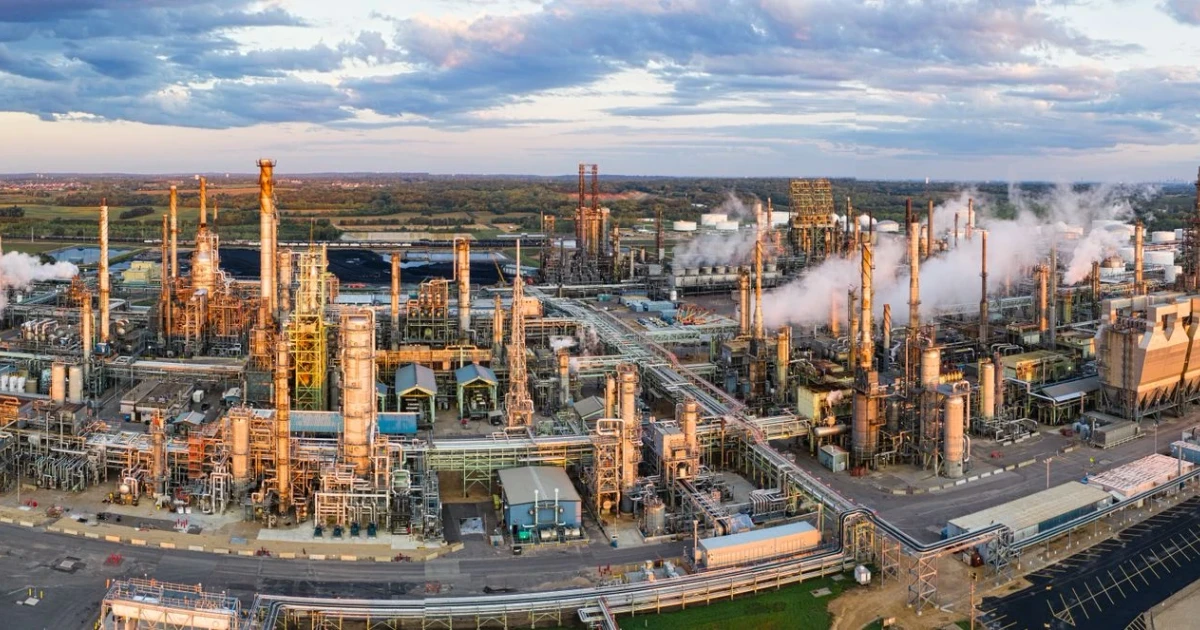
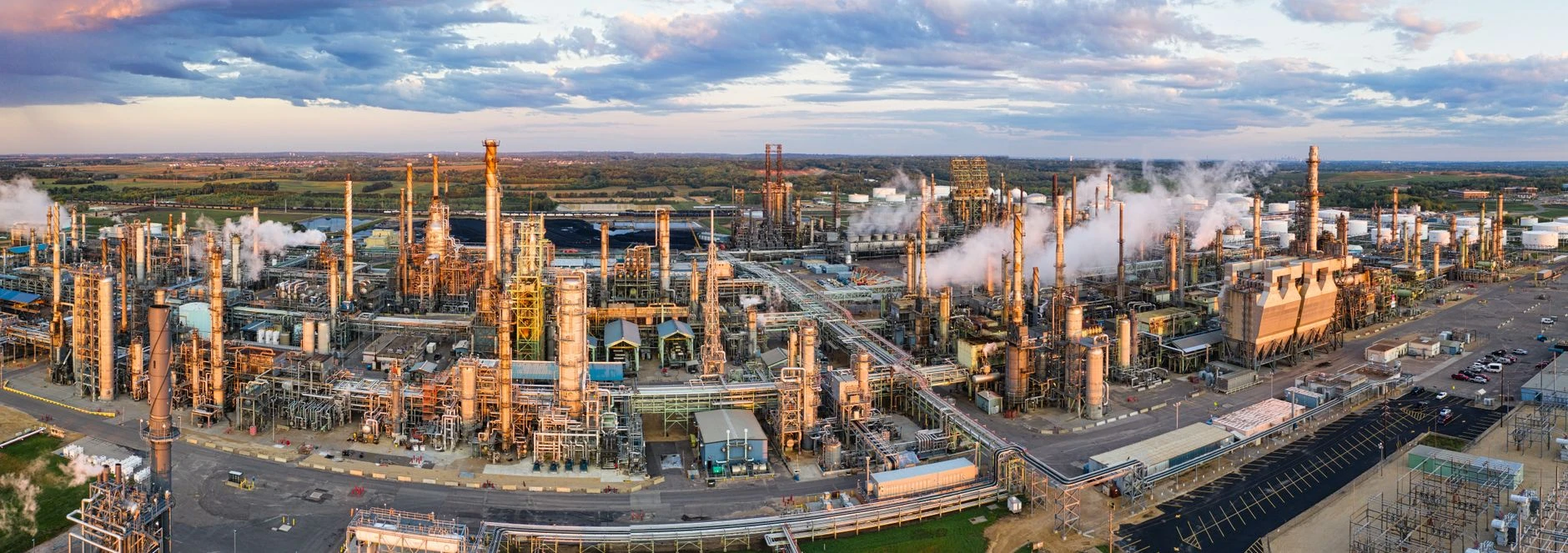
The Energy Department has moved to convert the Portsmouth Site in Pike County, Ohio, from a Cold War uranium enrichment complex into a data center campus anchored by new gas plants, putting one of the federal government’s most sensitive industrial leftovers at the center of the AI buildout.
The Portsmouth plant was built for uranium enrichment work tied to the Cold War and later became a former gaseous diffusion plant. DOE has described it as a site still undergoing deactivation and demolition, but in March 2026 the department’s own content described SB Energy’s plan as a world’s largest AI data center on leased land at the Portsmouth Site. AP Archive reported on March 20, 2026 that Trump officials announced data centers and gas plants for the former Ohio uranium site.
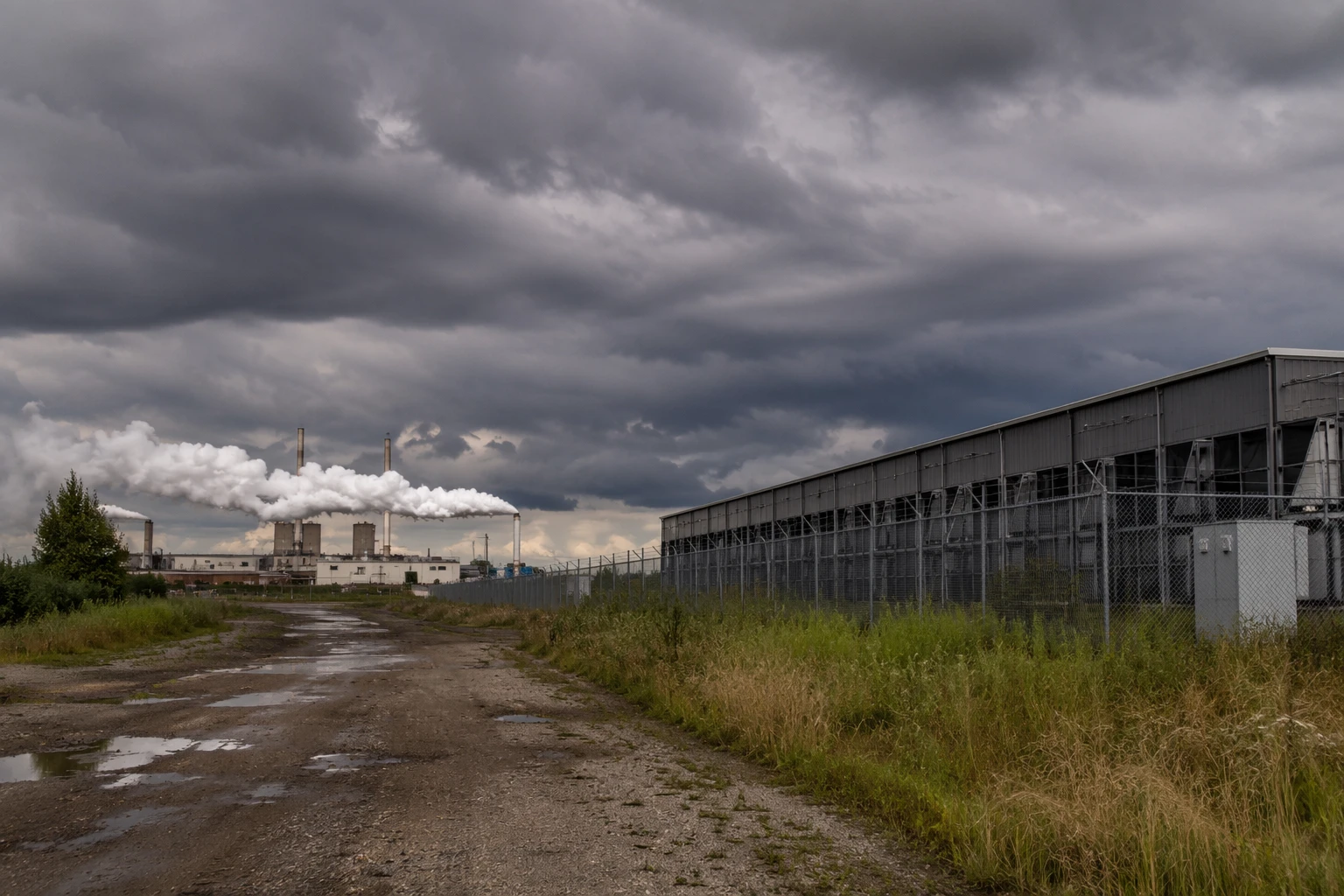
The Portsmouth plan grew out of a broader federal push that began with DOE’s April 3, 2025 request for information on artificial intelligence infrastructure on DOE lands. That notice identified 16 potential DOE sites on federally owned or managed land for possible AI data centers and related energy projects. The White House followed with a July 23, 2025 executive order, “Accelerating Federal Permitting of Data Center Infrastructure,” and DOE issued a solicitation on Sept. 30, 2025 for AI data centers and energy projects at Oak Ridge, Tennessee.
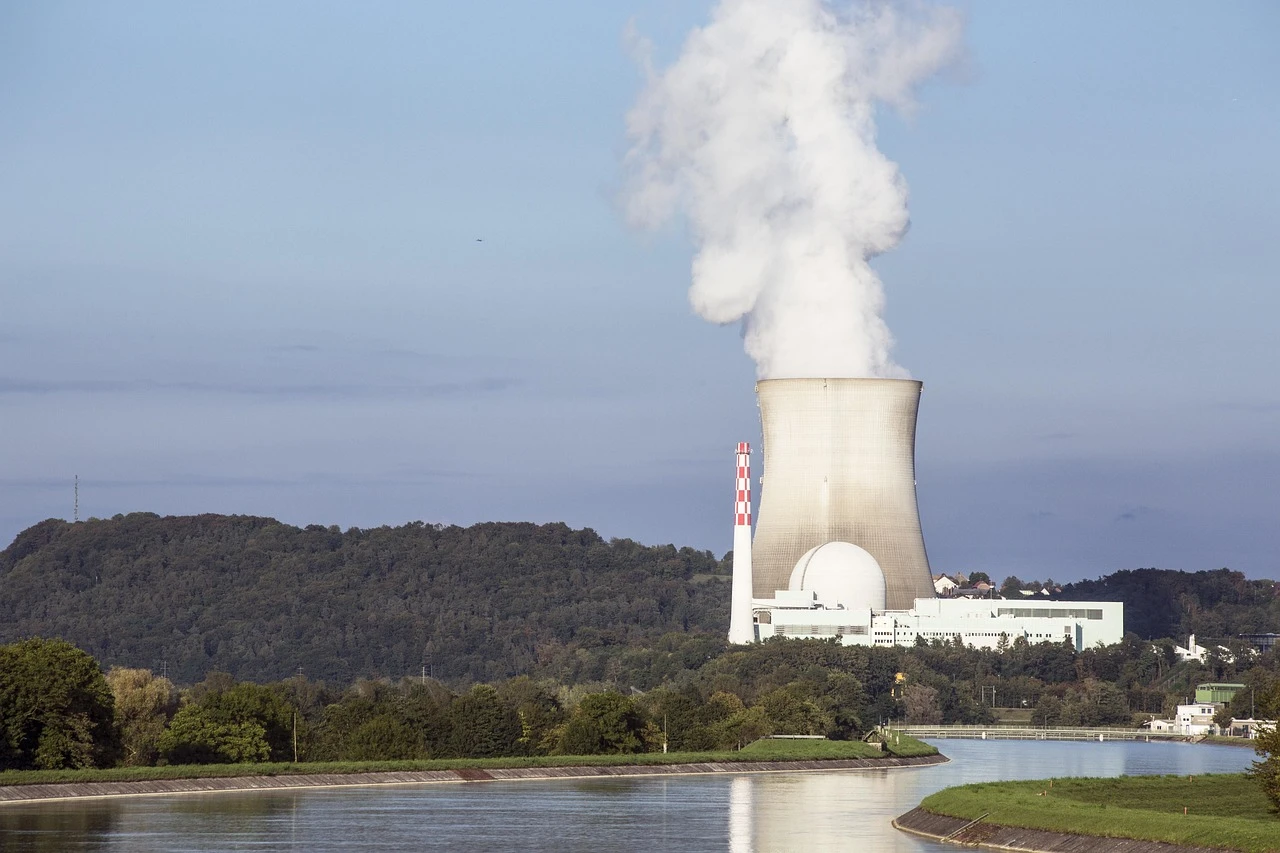
The strategy ties AI expansion to dedicated power sources rather than relying on existing grid capacity alone. In some cases that means gas generation, and in others nuclear or geothermal energy. The result is a federal industrial-policy experiment that uses public land, much of it originally built for nuclear weapons-related work, to speed construction for private AI developers while shifting the hardest constraints to energy supply, permitting and local infrastructure.
For SB Energy and its backers, the upside is speed and scale on a site with federal land already in hand. For Pike County and surrounding communities, the costs could land in the form of heavier power demand, more industrial traffic and the environmental consequences of new gas-fired generation layered onto a site that is still being cleaned up and dismantled. The project also signals a wider federal willingness to repurpose retired industrial land for the AI race, turning legacy energy assets into the next wave of computing infrastructure.
Sources
- [1]nytimes.com
- [2]content.govdelivery.com
- [3]whitehouse.gov
- [4]federalregister.gov
- [5]energy.gov
- [6]youtube.com
- [7]powermag.com
- [8]emcbc.doe.gov
- [9]nuclearnetwork.csis.org