Business
Energy Fuels makes $1.9 billion leap into rare earth magnets
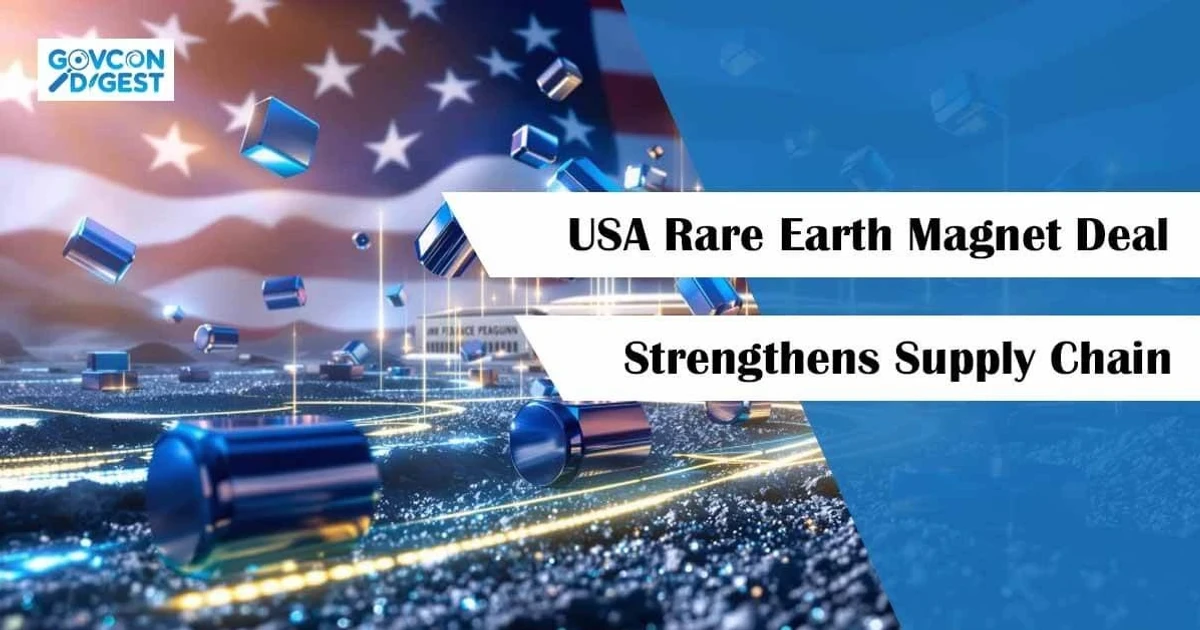
Energy Fuels is trying to jump from uranium into the heart of the rare-earth magnet business, betting that control of a century-old German manufacturer will give it a place in one of the most geopolitically sensitive supply chains in industry. The $1.9 billion cash-and-stock deal for Vacuumschmelze, or VAC, would fold a major non-Chinese magnet maker into a U.S. critical-minerals company as the United States and its allies push to reduce dependence on China.
The transaction, announced June 23, will give Energy Fuels 100% of VAC from Ara Partners. Energy Fuels said it will pay about $718 million in cash and issue 65.853 million new shares, valuing the deal at roughly $1.9 billion based on Energy Fuels’ June 22 closing share price of $16.12. Energy Fuels said VAC’s legacy business generated $29 million in adjusted EBITDA in 2025 and that its order book grew more than 20% year over year, signals that the target is more than a strategic trophy.
The strategic logic is clearer than the industrial fit at first glance. Rare-earth magnets are essential to aerospace, defense and renewable energy systems, and the market is still dominated by Chinese supply. The G7 has said it wants reliance on any one supplier for rare earths and permanent magnets to fall below 60% by 2030, with a longer-term goal of 50%, and Energy Fuels is effectively buying speed toward that objective. VAC, founded on July 1, 1923, says it serves more than 1,000 customers, including General Motors, and employs almost 4,000 people across Germany, the U.S., Malaysia and other markets.
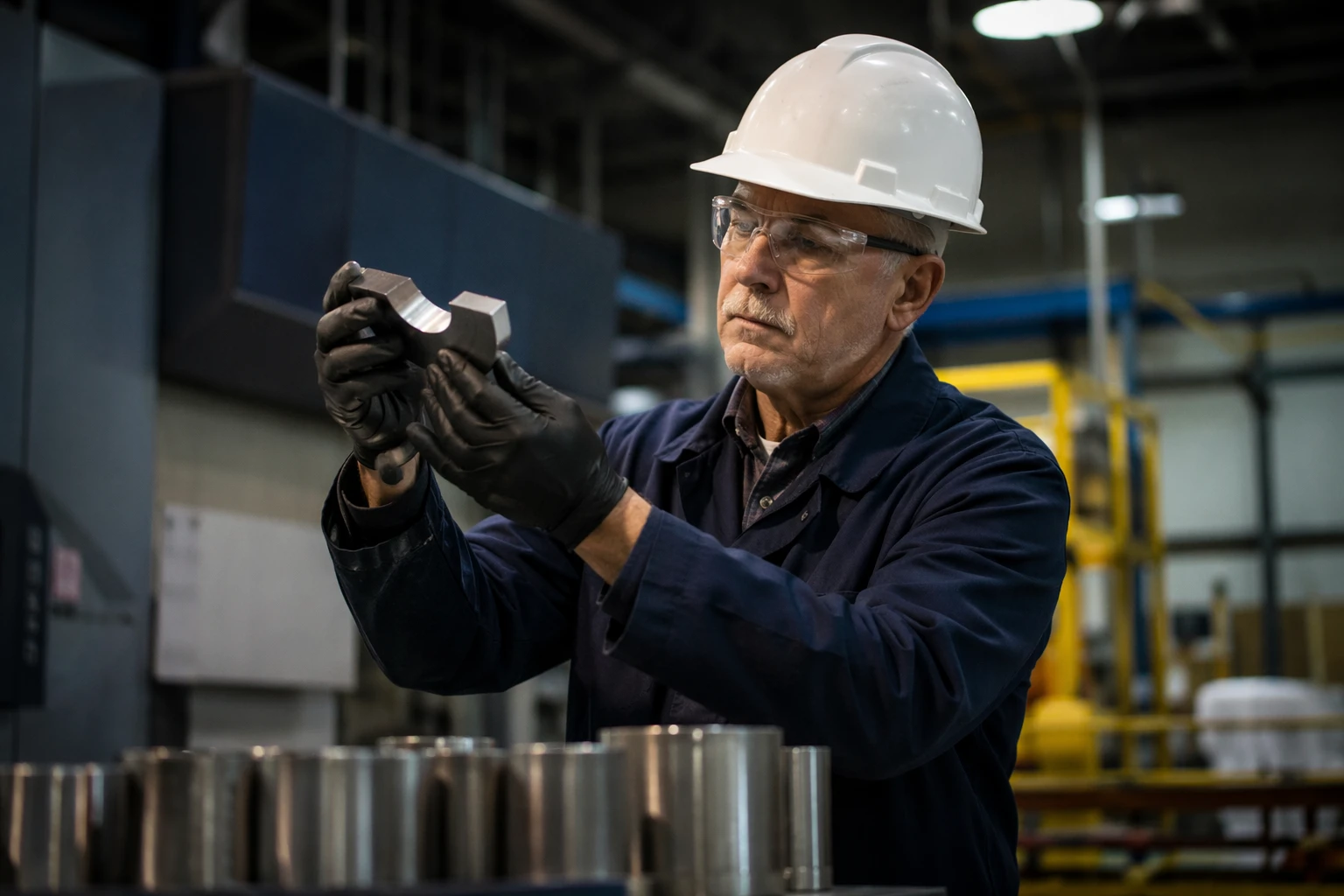
Ross Bhappu, Energy Fuels’ chief executive, has said the company preferred to buy an existing producer rather than build one from scratch because the magnet sector is difficult to enter and customer trust takes years to establish. The deal would preserve the VAC brand, keep existing plants open, including one in China, and expand e-VAC Magnetics in Sumter, South Carolina, a plant that was expected to complete construction in late fall 2025 and was designed to create 300 jobs. VAC said in 2025 that the South Carolina facility would be fully independent from Chinese supply chains and would produce neodymium-iron-boron magnets for automotive, defense, industrial and renewable energy uses.
The acquisition marks a broader shift in industrial policy and capital allocation, with resource companies moving up the value chain from raw materials into finished components. VAC’s more than 400 patents, its supply role linked to the Pentagon, and its U.S. magnet project underscore why Energy Fuels sees the company as more than a manufacturing asset. If the integration works, the deal could make Energy Fuels one of the world’s largest non-Chinese magnet producers and give Western manufacturers a sturdier alternative in a market where resilience has become a strategic commodity.
Sources
- [1]cnbc.com
- [2]investors.energyfuels.com
- [3]vacuumschmelze.com
- [4]vacmagnetics.com
- [5]miningmx.com
- [6]reuters.com
- [7]bloomberg.com