Technology
Energy Supply Emerges as Critical Factor in US-China AI Competition
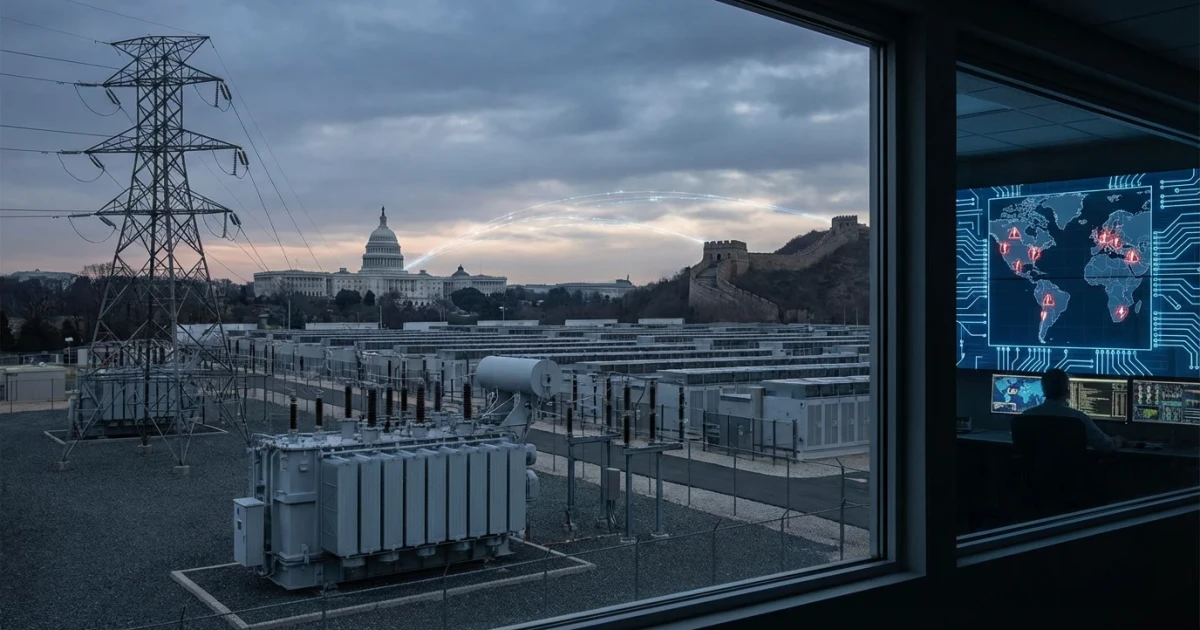
Reliable access to energy is fast becoming the linchpin in the global contest for artificial intelligence dominance between the United States and China. As both nations pour resources into AI research, development, and infrastructure, their ability to generate and distribute sufficient electricity is shaping the speed and scale of progress.
The Growing Energy Demands of Artificial Intelligence
Artificial intelligence systems, especially the latest large language models and machine learning applications, are highly energy-intensive. Training and deploying these AI models requires vast data centers running around the clock—operations that place unprecedented pressure on national electricity grids. According to the International Energy Agency, energy demand from data centers and AI applications is projected to rise sharply in the coming years, with countries that can ensure stable, affordable, and clean electricity gaining a significant strategic edge.
US and China: Competing Energy Strategies
The United States and China are both ramping up energy investments to support their AI ambitions, but their strategies differ:
- China has rapidly expanded its electricity generation capacity, including significant growth in renewables and continued reliance on coal. By 2022, China accounted for nearly one-third of global electricity generation, fueling both its industrial base and digital infrastructure.
- The United States has announced new federal actions to boost clean energy leadership, including investments in grid modernization, incentives for renewable deployment, and initiatives to secure critical mineral supply chains according to official government releases.
Both countries recognize that the energy footprint of AI is not just an environmental issue, but a matter of national competitiveness. The National Renewable Energy Laboratory notes that the rising power demands of AI could soon rival those of entire small countries, underscoring the need for robust and resilient supply chains.
Why Energy Supply Is the New Battleground
FedScoop reports that energy supply is increasingly viewed as the key variable in the US-China AI race. As the capabilities of AI systems scale, so do their electricity requirements. This dynamic is shifting the focus from just research talent and hardware to the fundamental infrastructure that enables AI to run and evolve at scale.
Governments and industry leaders are now grappling with questions such as:
- How can national grids support explosive growth in data center power needs?
- What mix of energy sources will ensure reliability, affordability, and sustainability?
- How can nations secure access to the critical minerals and technologies needed for grid expansion?
Analysts agree that countries with balkanized or unstable energy supplies may find themselves struggling to keep up as AI technology advances. In contrast, those with robust, adaptable, and clean power infrastructure can support the next generation of AI development—and potentially set global standards.
Looking Ahead: Energy as a Strategic Asset
While the AI race is often framed in terms of research breakthroughs or chip manufacturing, the underlying reality is that no nation can sustain AI leadership without a reliable and scalable energy foundation. As the US and China continue their technological rivalry, investments in electricity generation, grid modernization, and energy security will likely determine who sets the pace in artificial intelligence for years to come.
For readers interested in exploring further, detailed statistics on China's primary energy consumption, data center power use, and the growing energy footprint of AI are available.
As the contest intensifies, the balance of power in AI may well rest on which nation can keep the lights on—and the servers running—longest and cleanest.