Science
Engineered Blood Clots Show Promise for Rapid Bleeding Control
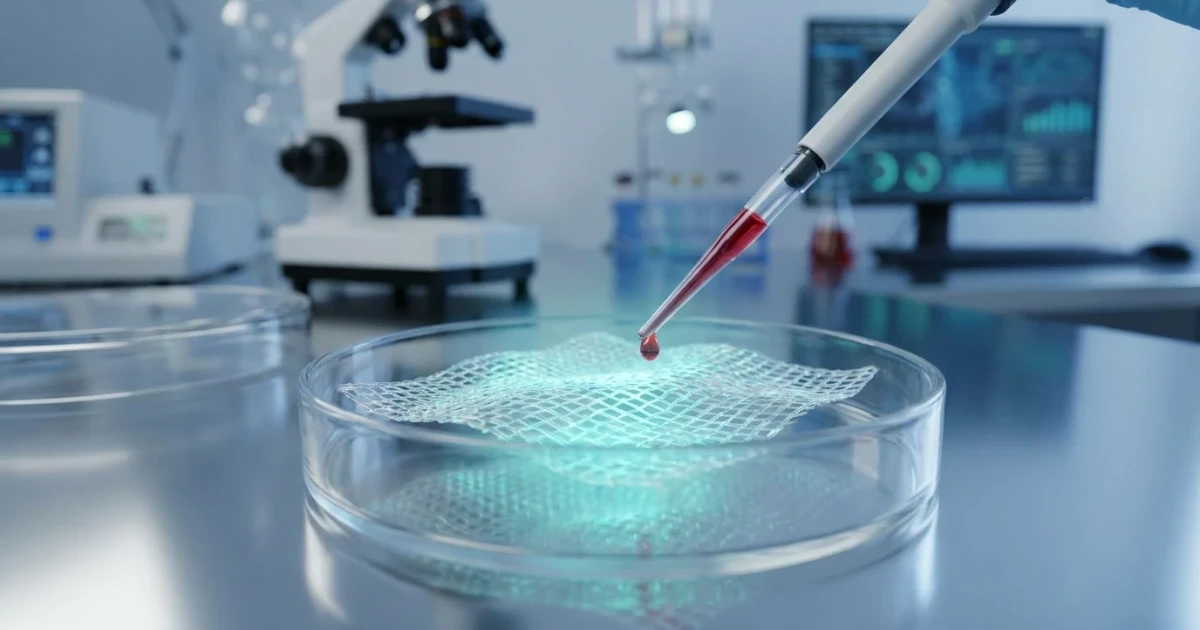
Scientists have developed engineered blood clots that can rapidly stop bleeding and promote tissue regeneration, marking a potential breakthrough in emergency medicine and trauma care. The research, published in Nature, details how these so-called 'tough clots' could help transform the management of severe injuries by improving the speed and effectiveness of haemostasis.
How Engineered Blood Clots Work
Traditional blood clotting is a complex, multi-stage physiological process designed to halt bleeding after injury. However, in cases of significant trauma, the body’s natural response might not be fast or robust enough, leading to excessive blood loss. The new research outlines how engineered clots are designed to mimic and enhance the body's natural clotting mechanisms, but with improved mechanical properties that make them tougher and more durable.
According to the Nature study, these clots are created using bioengineered materials that combine the biological cues necessary for clot formation with enhanced toughness and elasticity. This means they can better withstand the dynamic forces present in wounds, especially in high-pressure environments such as arteries or major trauma situations.
Potential Impact on Emergency Care
Rapid haemostasis is critical in reducing fatalities from injuries. Data from the Centers for Disease Control and Prevention show that injuries are a leading cause of death in the United States, with uncontrolled bleeding being a major contributor. On a global scale, the World Health Organization reports millions of trauma-related deaths annually, many of which could be prevented with faster and more effective bleeding control.
The engineered clots described in Nature offer a significant advancement over existing hemostatic agents and dressings. These new materials not only stop bleeding faster but also provide a scaffold for tissue regeneration, potentially improving healing outcomes for patients.
Advantages Over Current Solutions
- Speed: The 'click' clotting mechanism enables almost immediate haemostasis, which is especially beneficial in emergency settings where every second counts.
- Mechanical Strength: The engineered clots maintain integrity under stress, reducing the risk of re-bleeding even in mobile or high-pressure tissues.
- Tissue Regeneration: In addition to stopping blood loss, these clots provide biological cues that may accelerate healing and reduce scar formation, according to laboratory results presented in the Nature article.
Clinical Development and Future Directions
While the research is still in the early stages, laboratory and animal studies have demonstrated the efficacy of these tough clots in stopping severe bleeding and supporting tissue repair. The Nature paper notes that further clinical trials will be essential to determine their safety and effectiveness in human patients, and to assess how they perform compared to established hemostatic technologies.
Experts suggest that, if successful, engineered clots could be integrated into trauma kits used by first responders, military personnel, and in hospital emergency departments. The hope is that this innovation could substantially lower morbidity and mortality from traumatic injuries worldwide.
Outlook
While promising, the journey from laboratory to clinic involves addressing regulatory requirements, large-scale manufacturing, and long-term studies on patient outcomes. Nevertheless, the advent of engineered blood clots with enhanced mechanical and biological properties marks an important step forward in the science of rapid haemostasis and trauma care.
As research continues, the medical community will be watching closely to see if these engineered clots can fulfill their potential to save lives and improve recovery after injury.