Sports
England brace for a stronger Panama side at World Cup showdown
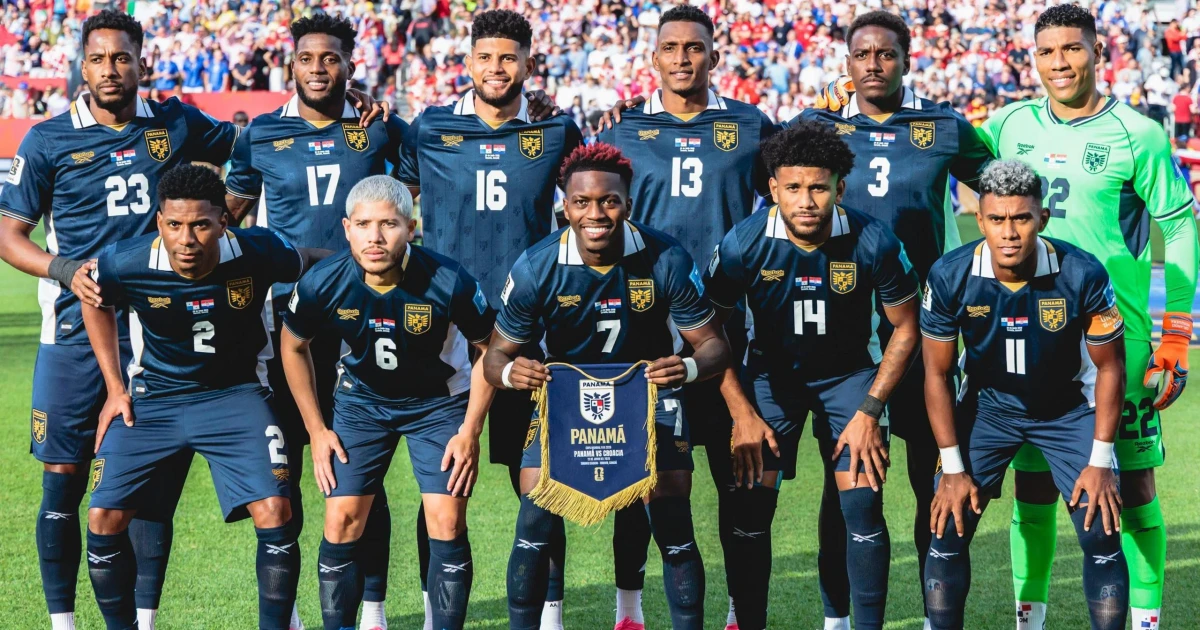
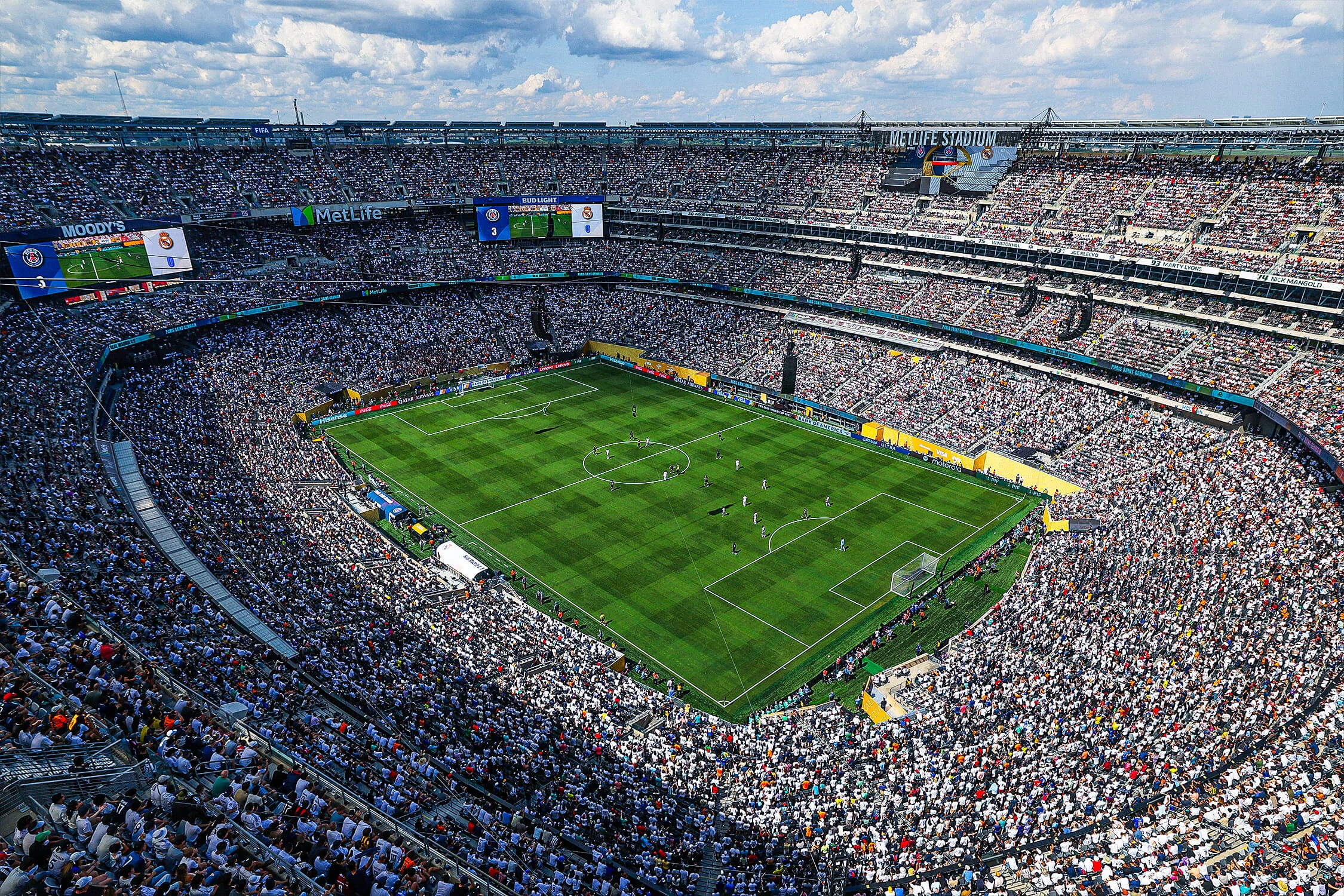
Panama arrive in Group L at New York/New Jersey Stadium on 27 June 2026 with a tighter structure, a more seasoned squad and a coach who has spent nearly six years shaping the side around discipline and quick attacking release. England’s memory of Panama still lives in the 6-1 rout in Russia, but that scoreline is a poor guide to what now awaits.
A rematch built on different evidence
The 2018 meeting in Group G belonged to England from the opening stages, and it ended with a result that also sent the Three Lions into the knockout rounds and eliminated Panama and Tunisia. Felipe Baloy’s goal gave Panama their first ever World Cup strike in the 6-1 defeat.
That match is still the easiest reference point, but it is no longer the most useful one. The 2026 meeting comes after Panama have already been tested by narrow margins, first in a 1-0 loss to Ghana on 17 June 2026 and then in another 1-0 defeat to Croatia on 23 June 2026. Those results tell a different story from 2018: Panama are not being swept aside, they are staying close enough to force matches into small margins.
Christiansen has turned Panama into a more coherent side
Thomas Christiansen has led Panama since July 2020, and this is his first World Cup as a head coach. Panama are no longer approaching the tournament as a novelty participant, but as a side that expects to compete inside it. In 2024, FIFA cast Panama as a team with an obligation to reach the World Cup after the growth shown under Christiansen.
The improvement has also been visible in the final steps before the tournament. Panama beat the Dominican Republic 4-2 in one of their last two warm-ups, then drew Bosnia and Herzegovina 1-1. They scored multiple times against the Dominican Republic and avoided being blown off course by Bosnia and Herzegovina.
The squad now has more than one threat
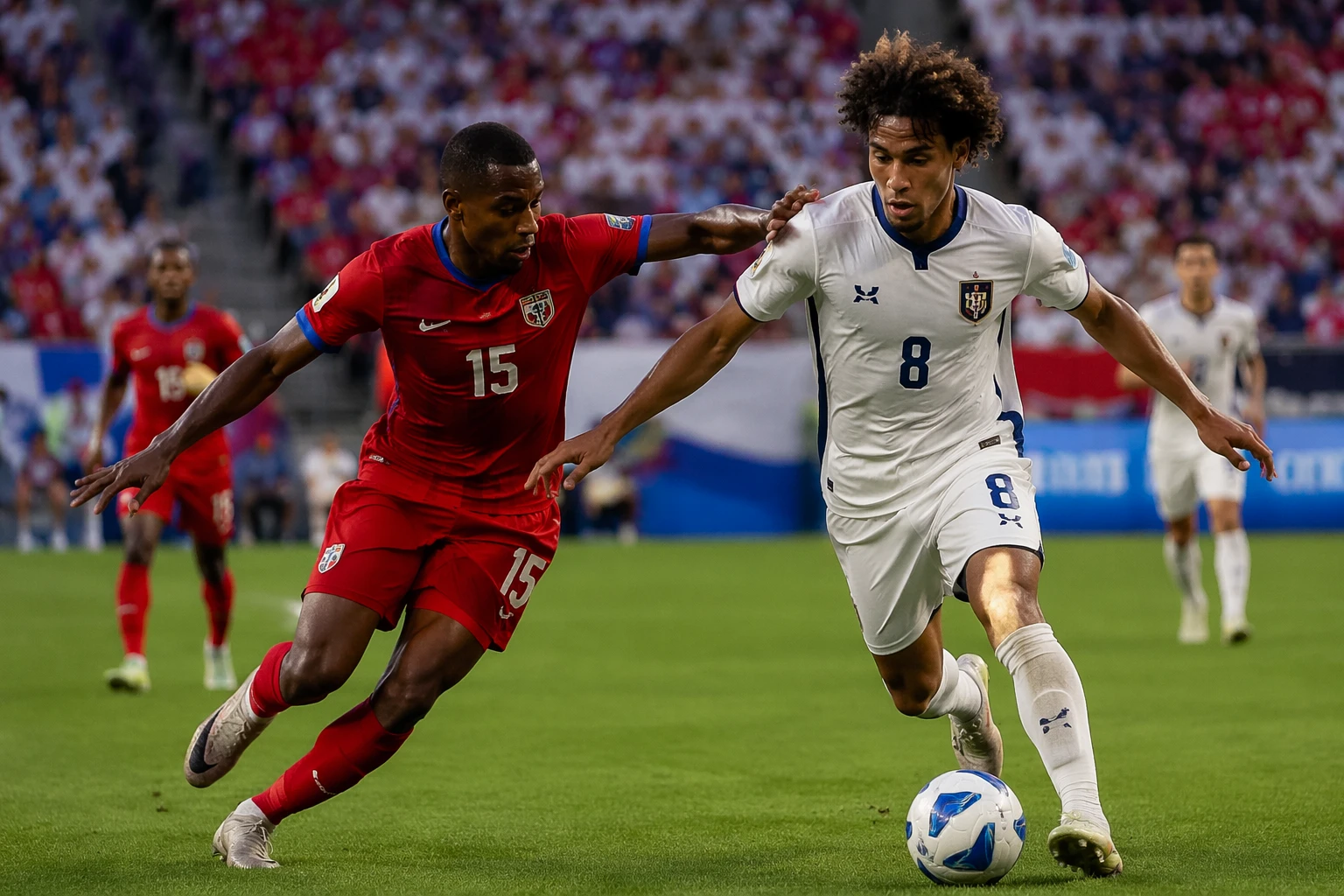
Adalberto Carrasquilla is the key creative figure in midfield, and that is the place England must start. When Panama are at their best, they do not need long spells of possession to matter. They need one clean connection into Carrasquilla, one quick change of pace, and enough support around him to turn a recovery into a chance.
José Córdoba, Amir Murillo and Aníbal Godoy provide shape and ballast. Ismael Díaz gives Panama another attacking outlet.
Where England can be exposed
England should not expect Panama to open up the way they did in 2018. The more realistic danger is a match that stays controlled but awkward, especially if Panama can turn it into a game of second balls, restarts and short transition windows. That is where an organized, physical side can frustrate a stronger opponent without ever dominating possession.
Set pieces are one of the obvious pressure points. Panama do not need sustained territory to be dangerous if dead-ball delivery allows them to crowd England’s box and attack loose clearances.
Transitions are another test. If England lose the ball high or overcommit numbers forward, Panama have the personnel to turn the field quickly through Carrasquilla and then find Díaz in space. That is especially important against a side like England, where a patient build-up can be punished if the structure behind the ball is not immediate and disciplined.
Physicality is part of the equation too. A Panama team shaped by Christiansen is not just trying to survive, it is trying to contest every phase. That means England can be pulled into a match where duels, clearances and tackles matter as much as passing patterns.
The warning in the group-stage record
The 1-0 defeats to Ghana and Croatia are the key recent clues. Those results do not show a team falling apart, they show a team staying inside the game long enough to make the final details decisive.
The old 6-1 memory should be treated carefully. The version arriving in Group L is more settled and more organized. England were ruthless in Russia, and Panama were still learning how to survive that level.
Sources
- [1]bbc.co.uk
- [2]fifa.com
- [3]inside.fifa.com
- [4]concacaf.com