Sports
England clinch third place at 2026 World Cup, end 60-year wait

England clinched third place at the 2026 World Cup, returning to the podium for the first time since Bobby Moore lifted the Jules Rimet at Wembley on 30 July 1966. The bronze finish closed a tournament staged across the United States, Canada and Mexico, the first World Cup with 48 teams and 104 matches.
The result came only after England’s 2-1 semifinal defeat to Argentina, a loss that sharpened scrutiny of Thomas Tuchel’s game plan as much as the players’ response. Before the third-place play-off against France, Tuchel said, “If you need someone to blame, I take the responsibility”, and admitted England had become “too passive” in the closing stages. BBC Sport described the squad as carrying the “scars” of that semifinal exit, a sign that the damage from the loss lingered even as England moved on to the match for third.
That context gives the finish its weight. England had spent six decades chasing a return to the same level Moore delivered in 1966, and the 2026 campaign ended that wait in a tournament FIFA cast as unprecedented in scale. Stadiums were 99.7% full and more than 6.25 million spectators passed through the turnstiles, figures that underlined how crowded and unforgiving the expanded format was from the opening round to the final weekend.
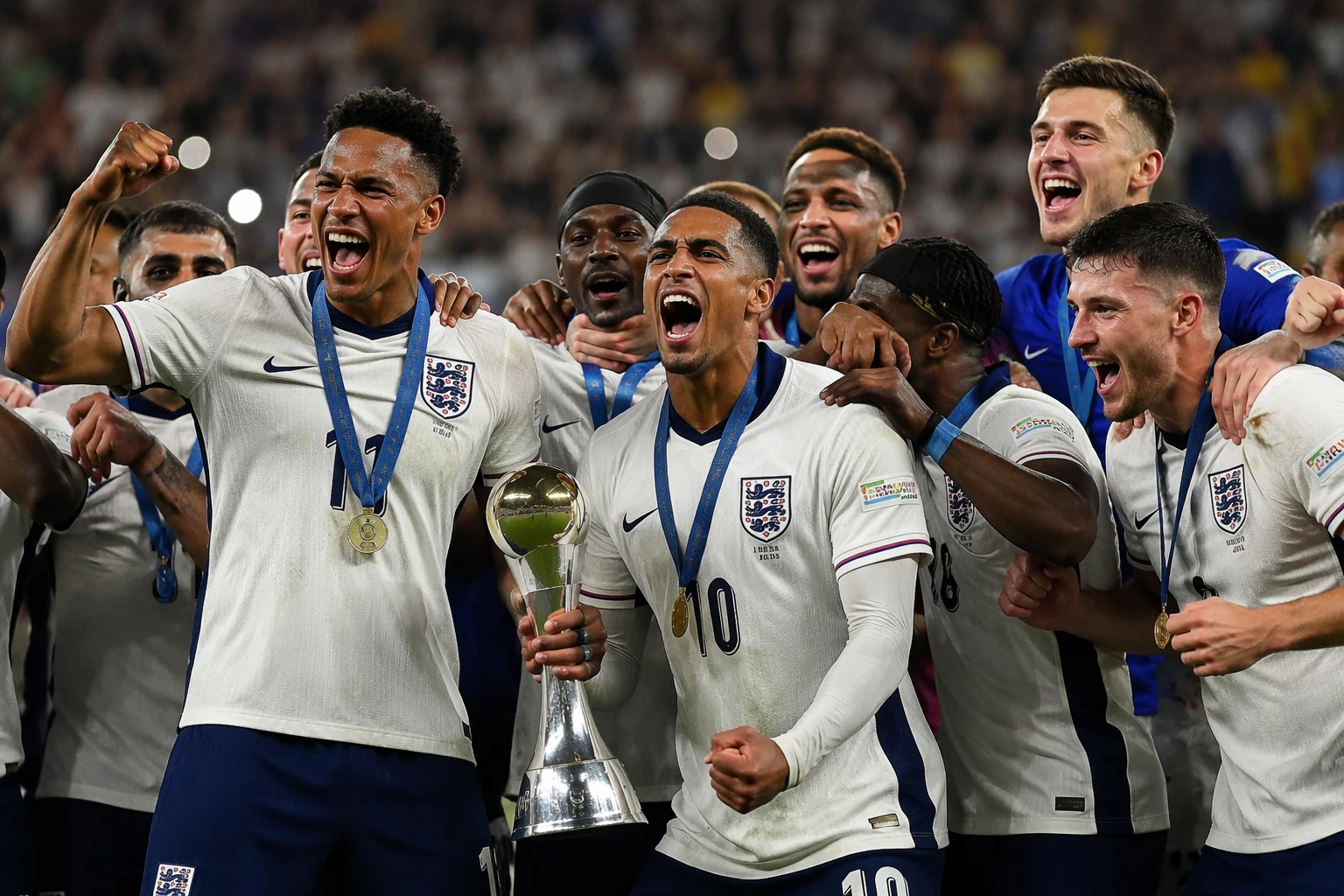
The broader structure also changed the way England’s run was judged. A 48-team World Cup spread over 104 games left less room for a stumble to define the whole campaign, but it also magnified every tactical call and every late lapse. The team’s place on the podium now sits beside the old shadow of 1966, and Tuchel’s admission has turned the post-tournament conversation toward whether England’s next step comes from sharper tactics, calmer late-game management, or a deeper shift in mentality.
The semifinal loss also spilled beyond football, after the Government of the United Kingdom backed calls for FIFA to investigate Argentina over a banner about the Malvinas displayed after the match. Against that backdrop, England’s third-place finish delivered a rare concrete outcome from a World Cup that had already reopened old arguments about pressure, identity and what success looks like for the national side.
Sources
- [1]telemundo.com
- [2]bbc.com
- [3]aljazeera.com
- [4]inside.fifa.com
- [5]theguardian.com