Sports
England cricket faces leadership questions after Stokes nightclub investigation
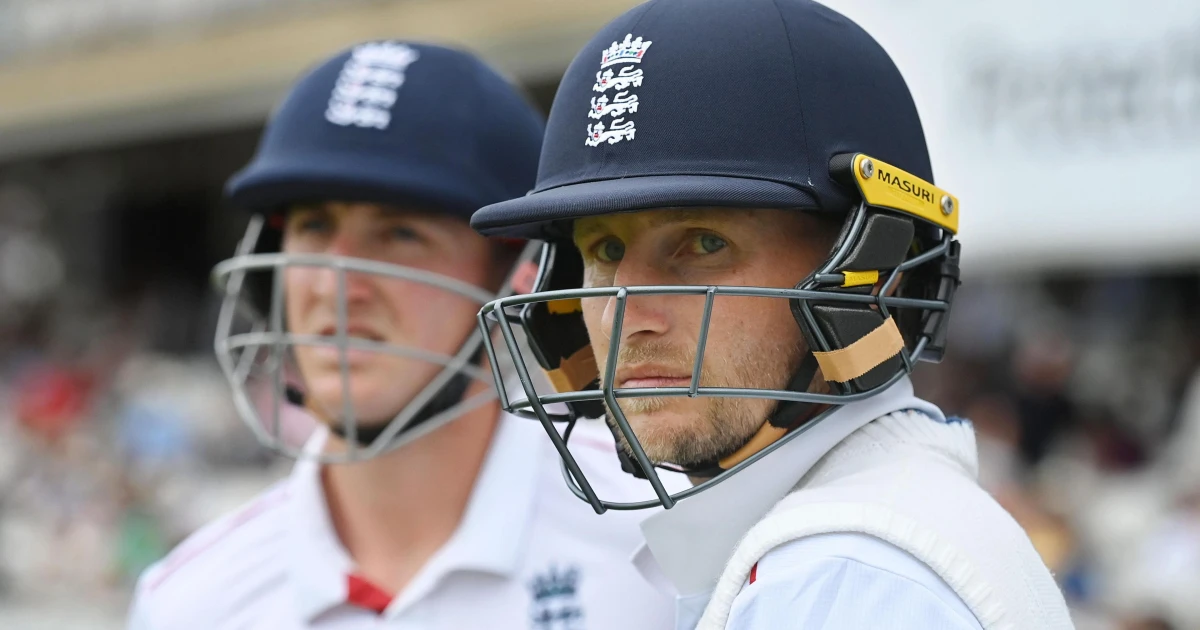
England’s Test summer has moved from embarrassment to institutional reckoning. A team-protocols investigation involving Ben Stokes and Gus Atkinson, followed by a heavy defeat to New Zealand, has exposed problems that go well beyond one night out in London.
A breach that forced England into damage control
The England and Wales Cricket Board opened its investigation on June 8, 2026, after Stokes and Atkinson were present at a London nightclub in the early hours of Monday morning following the first Test against New Zealand. The ECB said the Cricket Regulator had been informed and that it would issue a further update when possible. That decision immediately shifted the story from a private disciplinary matter to a public test of how England handles standards, authority and accountability.
The most immediate consequence was selection. Stokes and Atkinson were not made available for England’s second Test against New Zealand at the Kia Oval, turning a disciplinary issue into a cricketing one. When a senior player and a fast bowler disappear from the lineup in the middle of a series, the effect is not limited to the scorecard. It changes the captaincy, the dressing-room tone and the way every subsequent decision is judged.
Joe Root’s temporary handover at The Kia Oval
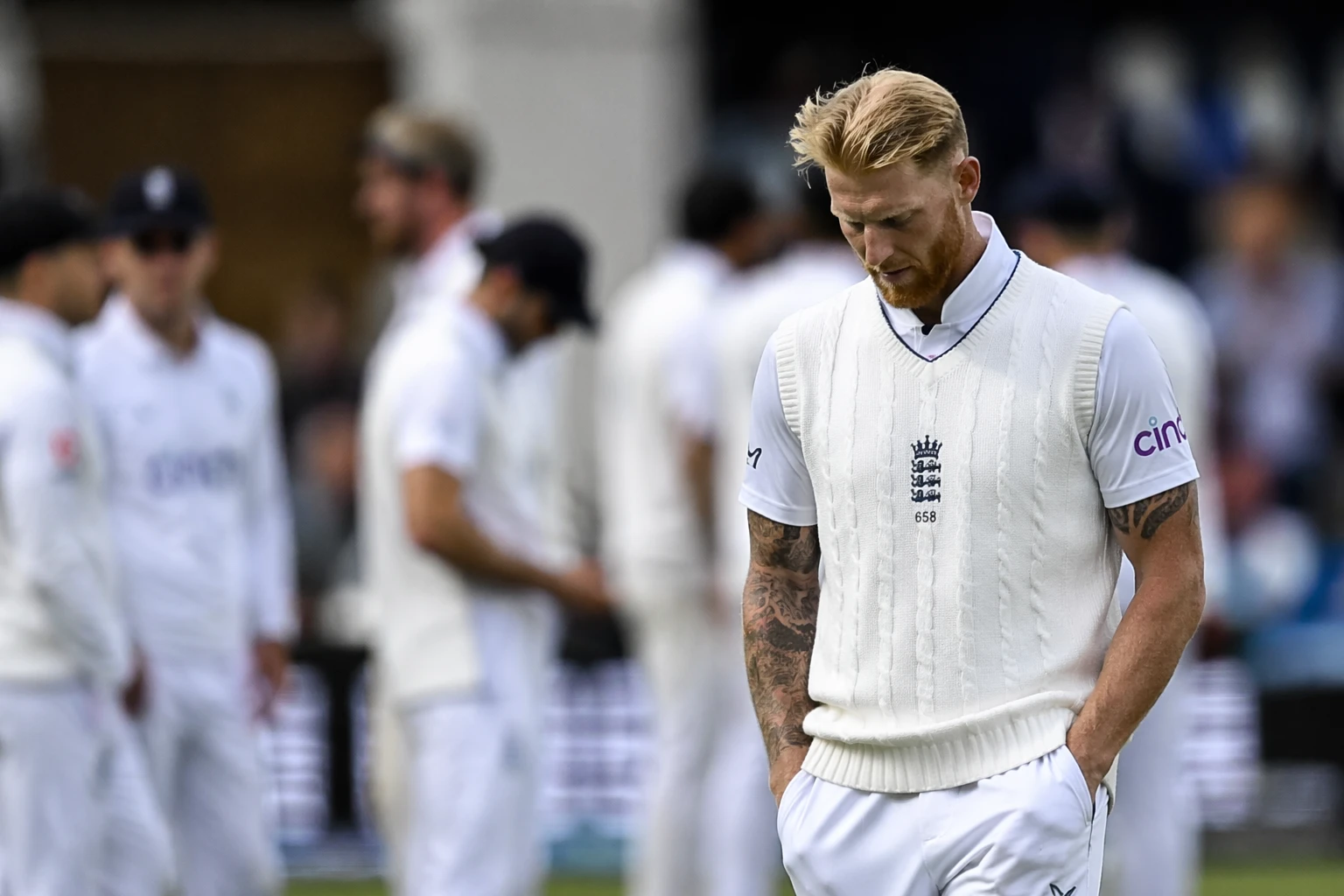
With Stokes unavailable, Joe Root took charge as interim captain for the second Test, which began on Wednesday, June 17, 2026 at the Kia Oval. England were already under pressure before a ball was bowled, and the match only sharpened the sense that the side was struggling to hold itself together. New Zealand won by 253 runs after England were dismissed for 209 while chasing 463, a defeat that pushed the series to a decider.
That scoreline matters because it was not a narrow collapse or a one-off mistake. England were set a formidable target, failed to build the innings required, and left the field with the series still alive only because the schedule offered one more chance. In the context of the Stokes and Atkinson investigation, the loss felt like a verdict on a wider period of instability rather than a single bad performance.
Selection churn has become part of the story
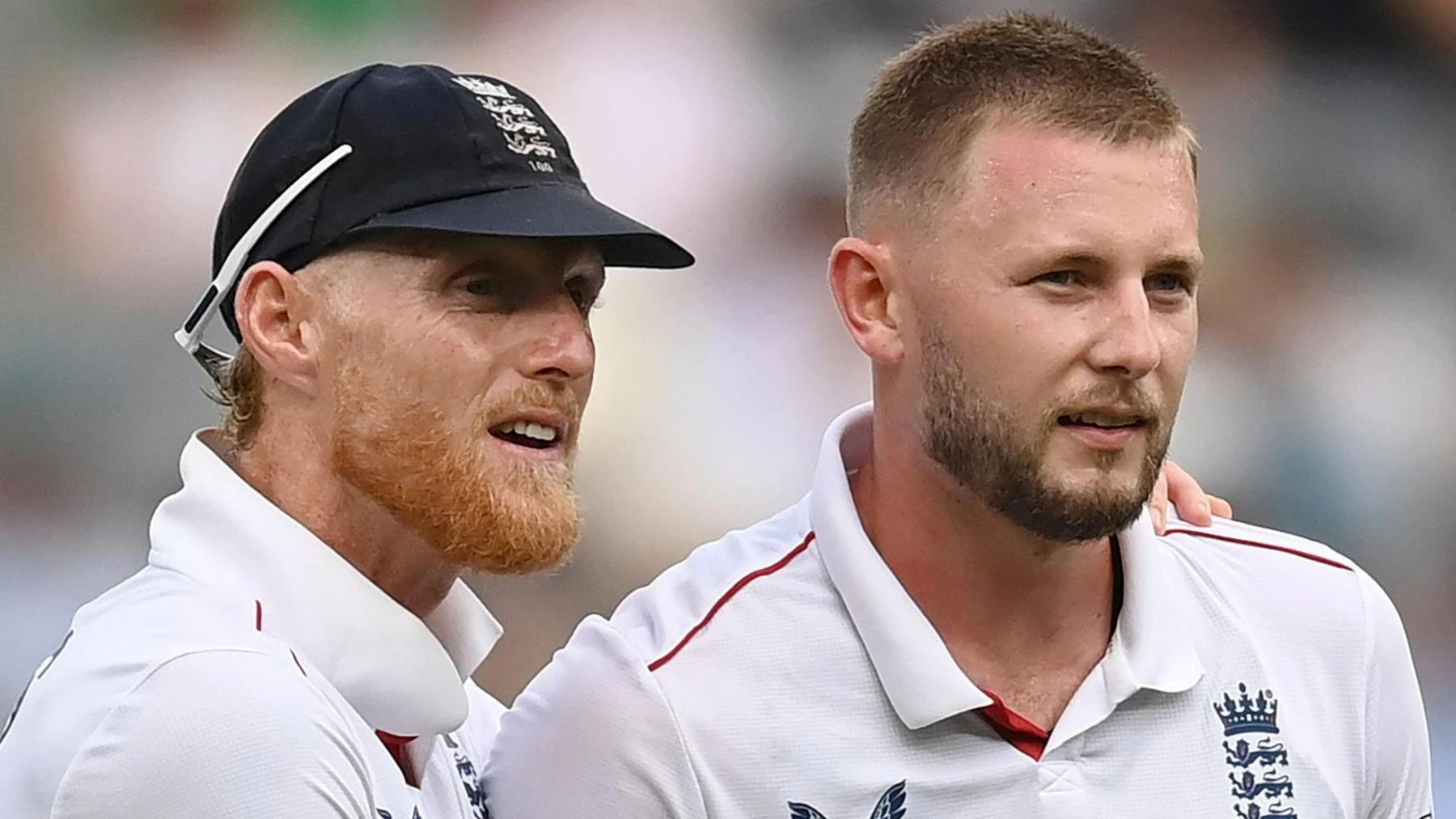
The strain on England’s Test set-up is also visible in the squad composition. For the first Test against New Zealand, England named a 15-player squad that included three uncapped Test players: Emilio Gay, Sonny Baker and James Rew. That detail alone showed how much the side was trying to balance immediate results with long-term development, even before the off-field issue intervened.
The second Test brought another layer of movement, with Jordan Cox and Sonny Baker set to make their Test debuts. By the time the ECB said Stokes and Atkinson would return to the squad for the final Test at Trent Bridge, the series had already become a moving target, with selection shaped by both performance and discipline. That kind of churn makes it harder to build clarity around roles, and harder still to convince supporters that England’s Test plan is fully coherent.
The real question is whether this is structural
This is why the fallout has become bigger than a disciplinary episode. BBC coverage and ECB briefings have already pushed the discussion toward England’s Test future, leadership and discipline, and that is the right place to be looking. Stokes is not being judged only as an individual player in trouble; he is being measured as the face of a leadership culture that now appears fragile under pressure.
Former England captains and BBC voices, including Michael Vaughan, Sir Alastair Cook and Jonathan Agnew, have all been drawn into the wider debate over what happens next for the Test side and for Stokes in particular. Their presence in the conversation underscores how high the stakes are for the people shaping the team, including Rob Key and Richard Gould. The issue is not simply whether one player returns for the final Test. It is whether England have a framework strong enough to absorb a major setback without exposing the same old faults.
The 2025/26 Ashes tour had already been described as awful in later coverage, and that background makes this crisis feel cumulative rather than isolated. England’s red-ball set-up is now being asked to answer basic questions about discipline, selection continuity, player development and the authority of its leadership group. If those answers are not clear before the next decisive Test, the problem will outlast this series.

What England must change before Trent Bridge
The final Test begins at Trent Bridge in Nottingham on Thursday, June 25, 2026, and England will enter it under far more scrutiny than they expected. Stokes and Atkinson are due back in the squad, but their return does not resolve the deeper issue. It only resets the stage for a side that must prove it has more than short-term fixes.
England need more than a clean matchday selection and a sharp response to the investigation. They need a clearer standard of behavior, a steadier chain of command, and a selection process that does not keep forcing the team to improvise around avoidable disruption. Until those structural questions are answered, every result will be read as evidence of a system still searching for its own discipline.
Sources
- [1]bbc.com
- [2]ecb.co.uk
- [3]thesheffieldpress.com
- [4]sports.yahoo.com
- [5]listenersguide.org.uk