World
England drought warning deepens as fifth heatwave brings 35C heat
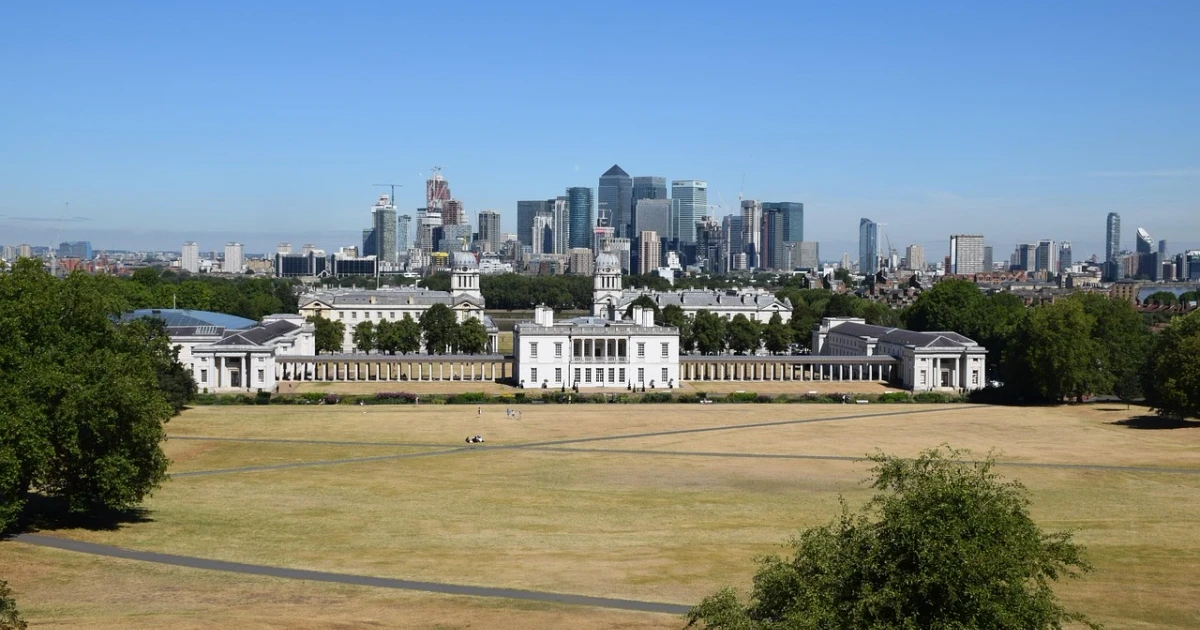
BBC Weather forecaster Simon King said more areas of England are likely to move into drought this week as a fifth widespread heatwave builds, with no significant rain in the forecast and temperatures set to reach 35C by the middle of next week. The UK Health Security Agency has issued yellow heat-health alerts, while the dry spell is already forcing tighter water use across large parts of southern and eastern England.
The warning follows a rapid escalation through July. On 21 July, BBC Weather said parts of southern, central and eastern England were close to drought. By 26 July, the National Drought Group had stepped up its response after the third heatwave, and on 29 July the Environment Agency declared drought across more than half of England, with seven areas officially in drought. By 2 August, GOV.UK said drought had been declared in half of England, and reports on 30 July put all of Wales in drought as well. At the end of the month, half of England was described as being in an exceptionally serious drought, with July on course to be the driest month on record for England and Wales.
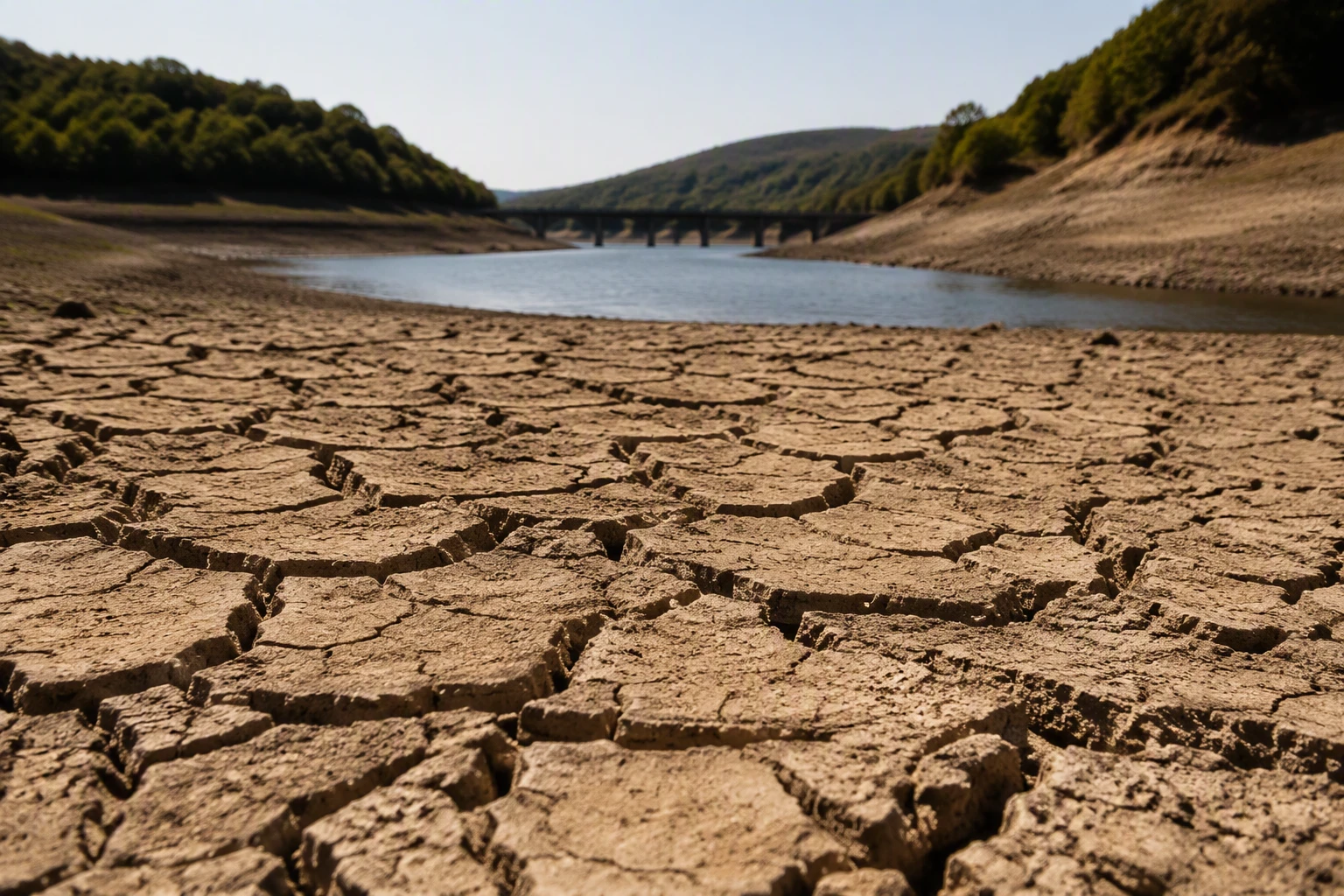
The impact is already national, not just meteorological. Hosepipe bans are in force across large parts of southern and eastern England, affecting about 20 million customers. Reuters put England’s July rainfall at just 7% of average and said Britain is heading for its worst cereal harvest in four decades, while farmers warned that food shortages could follow if dry conditions continue. New Scientist said parts of the UK saw zero rainfall for the whole of July for the first time in their history, a marker of how far the water deficit has run ahead of recent summers.
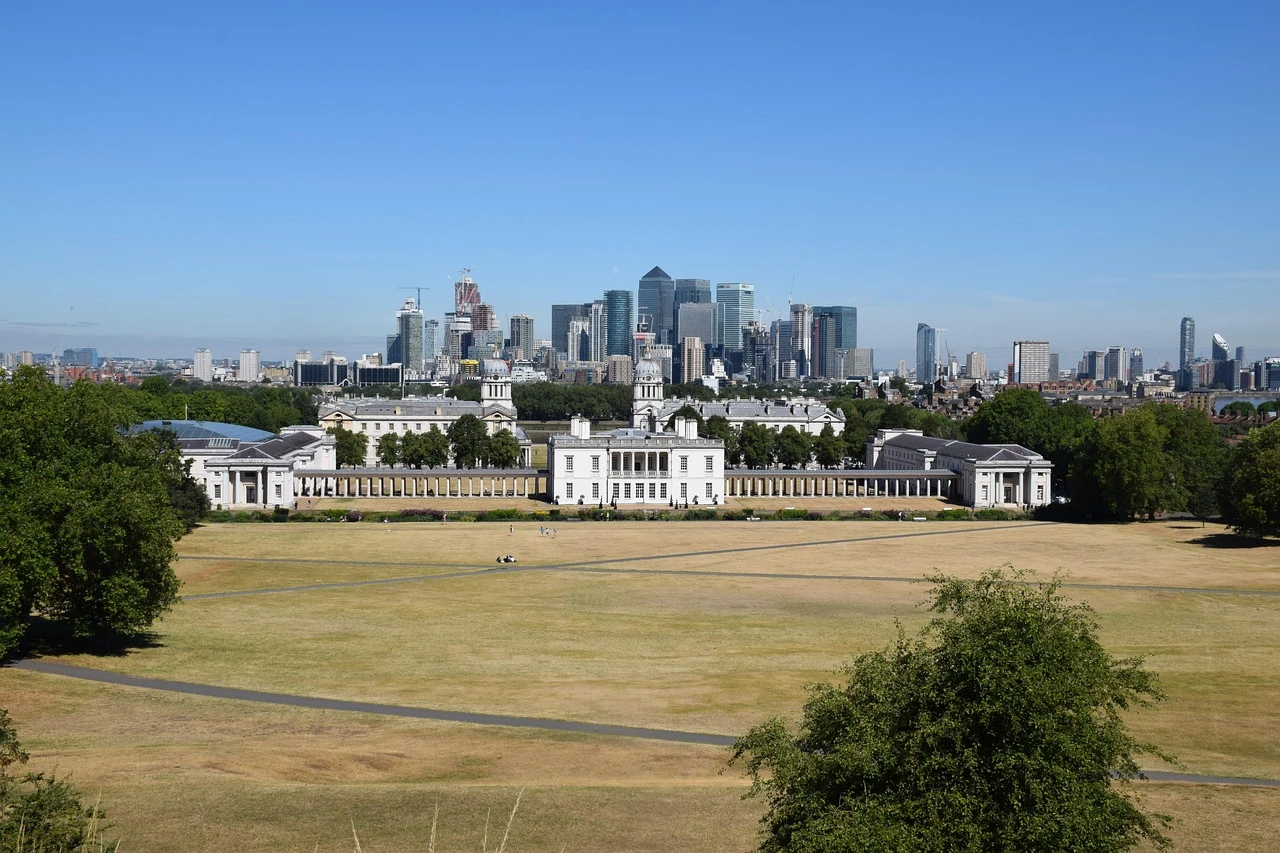
That leaves officials facing a difficult test of preparedness. The National Drought Group moved after the third heatwave, but the pace from early warnings to formal drought declarations shows how quickly reserves have been exhausted. With another heatwave pushing toward 35C and no meaningful rain in sight, more restrictions are likely to follow if the dry spell persists, tightening pressure on farms, water suppliers and household budgets alike.
Sources
- [1]bbc.co.uk
- [2]gov.uk
- [3]bbc.com
- [4]theguardian.com
- [5]news.sky.com
- [6]newscientist.com
- [7]reuters.com
- [8]nfuonline.com
- [9]independent.co.uk
- [10]naturalresourceswales.gov.uk