Sports
England fans and players turn Wonderwall into World Cup ritual
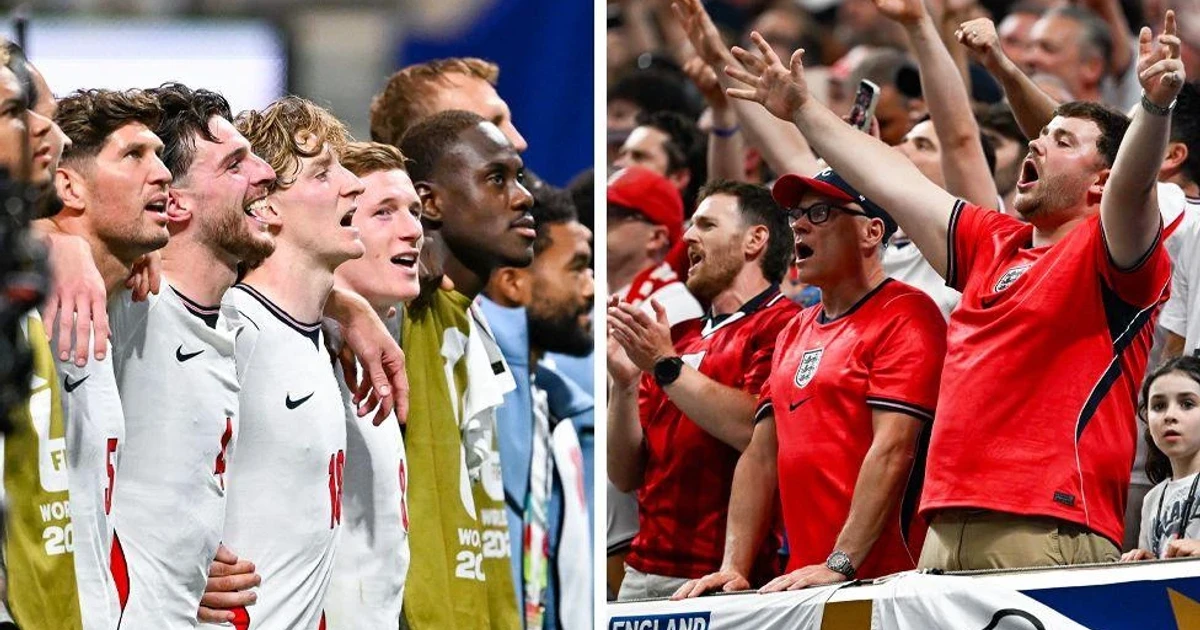
England’s 4-2 win over Croatia at AT&T Stadium in Dallas on 17 June 2026 ended with a full-stand version of Wonderwall, as supporters and players sang Oasis’s 1995 hit together. What began as a victory celebration quickly hardened into a matchday ritual, carried forward as England moved through its World Cup schedule in the United States.
FIFA’s fixture list put England back on the road soon after Dallas, with Ghana in Boston on 23 June and Panama in New York/New Jersey on 27 June. That travel pattern mattered because the song was no longer tied to one night or one stadium; it became part of the atmosphere wherever England played, a chorus that moved with Harry Kane, Jude Bellingham and Thomas Tuchel’s squad from city to city.
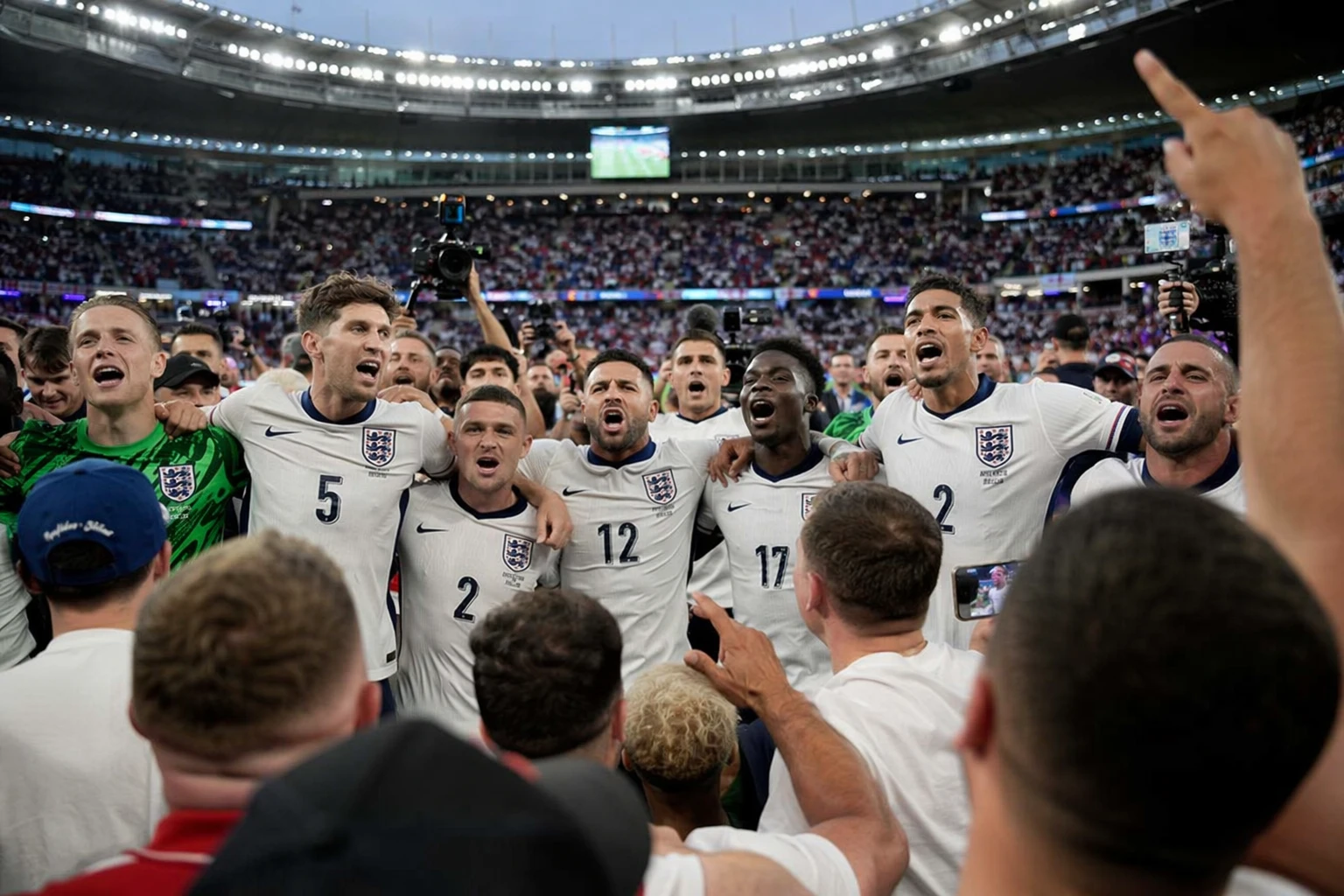
The appeal came from how easily the song bridged the stands and the pitch. Sky News framed the post-Croatia scene as a shared moment between fans and the England team, and later coverage said the comeback against DR Congo also ended with another Wonderwall singalong. The reaction was not treated as a novelty. It looked like repetition, which is what turns a chant into a ritual.
Noel Gallagher, one of the song’s writers and a co-founder of Oasis with Liam Gallagher, backed the idea of Wonderwall becoming England’s World Cup anthem. Liam Gallagher also reacted publicly as fans embraced it. Their approval gave the song a sharper national edge, linking a 30-year-old Britpop staple to a new generation of England supporters watching a team that has become more open to communal, crowd-led music.
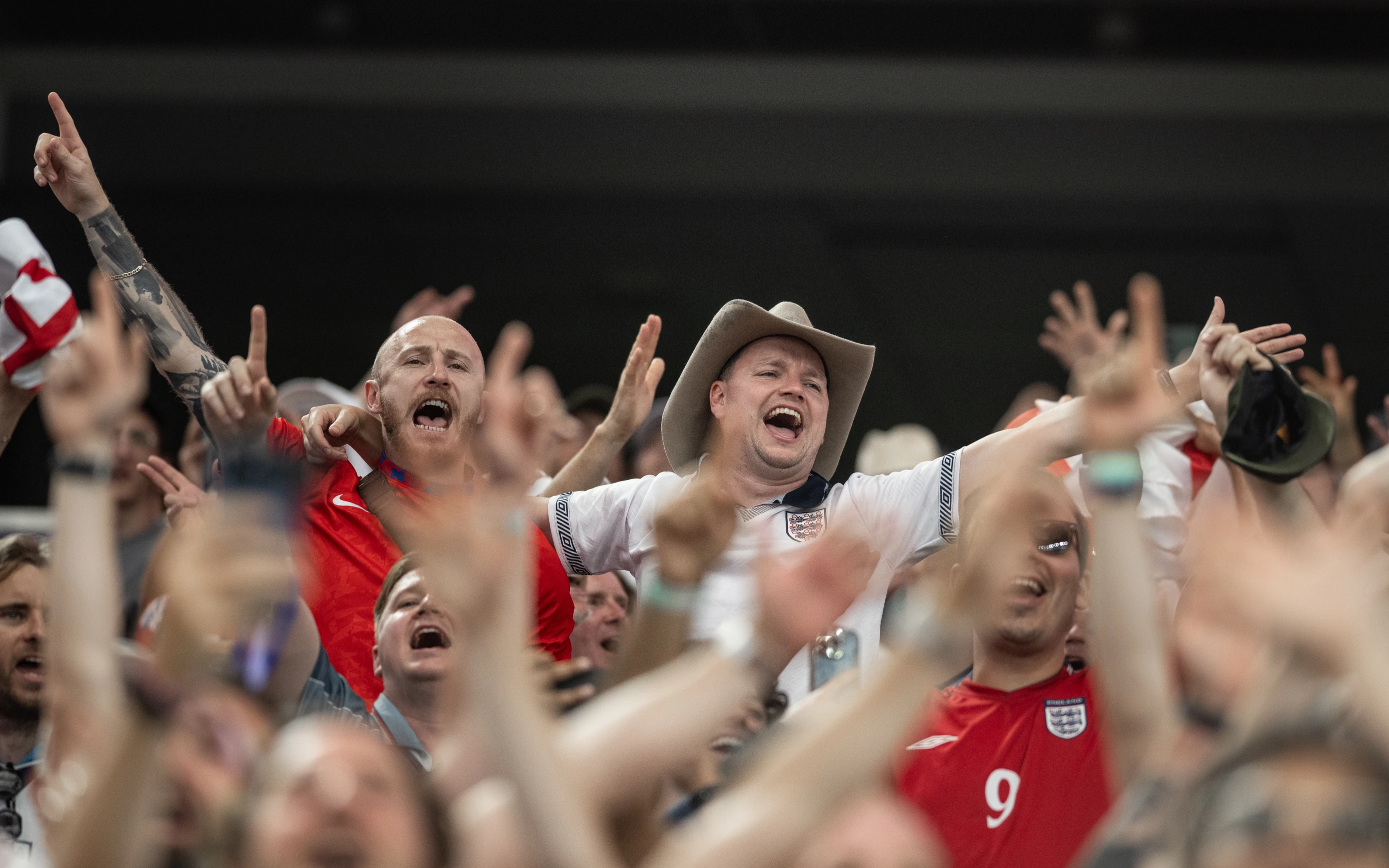
That shift fits with the broader soundtrack around the tournament. FIFA’s stadium-music materials pointed to broad fan favourites such as Hey Jude and Sweet Caroline as part of the World Cup’s musical landscape, and one report said England’s own playlist included those songs alongside Wonderwall. The result is not an official FIFA anthem, but an unofficial one built in real time by the people inside the stadium, and by an England side that has let the crowd help define its identity.
Sources
- [1]bbc.co.uk
- [2]telegraph.co.uk
- [3]fifa.com
- [4]news.sky.com
- [5]skysports.com
- [6]sports.yahoo.com
- [7]inside.fifa.com
- [8]matchday-global.com