Health
England heat alerts issued as temperatures top 30C before weekend rain
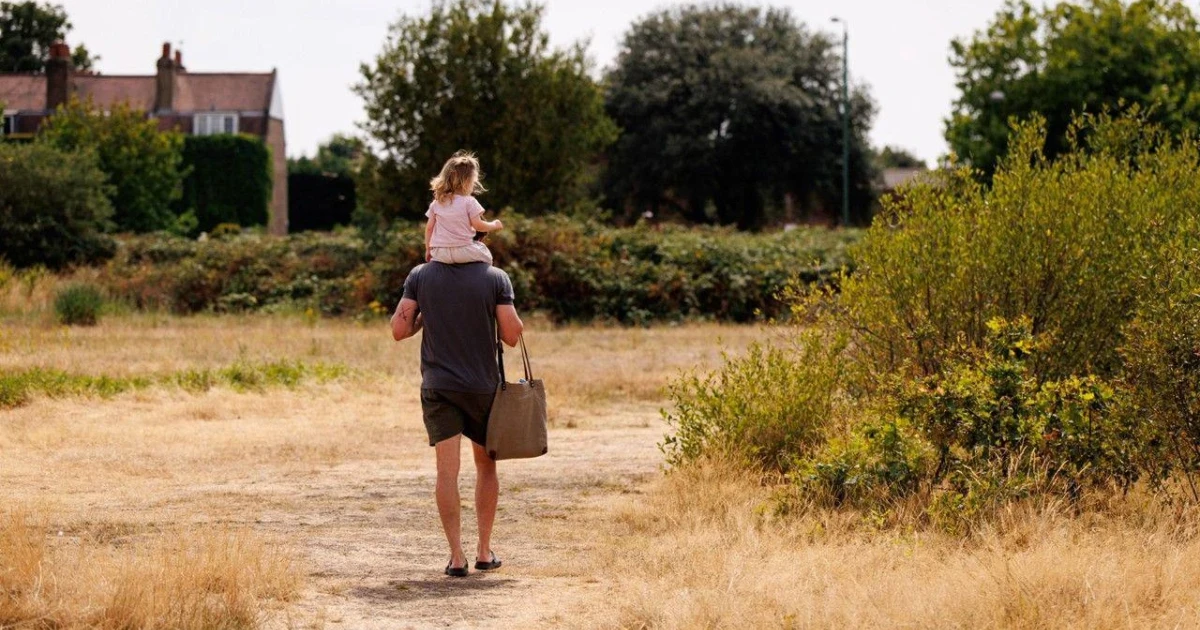
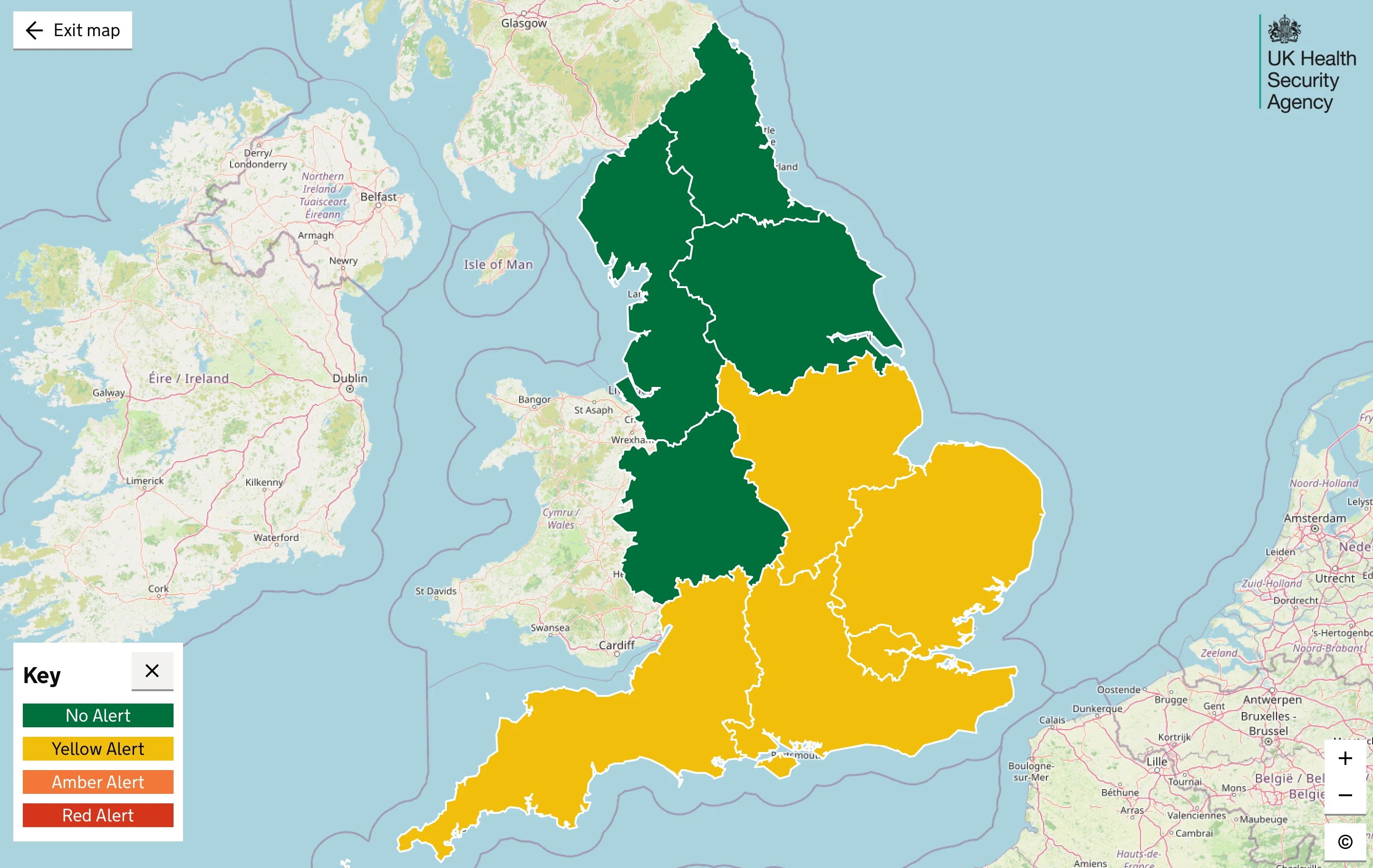
The UK Health Security Agency issued yellow heat health alerts for the East Midlands, East of England, London, South East, South West and West Midlands from 9am on Friday 24 July until 9am on Sunday 26 July as temperatures were forecast to reach 30C in southern England before wetter weather moved in for the weekend. BBC Weather said amber alerts were also in place across southern and eastern England, with the hottest areas expected to climb to 32C in south-east England and 34C or higher in the most affected places.
The warning system is run jointly by the UKHSA and the Met Office and is designed for health and social care professionals in England. Its colour scale, yellow, amber and red, reflects both the likely impact of hot weather and the chance that those impacts will happen, with the agency using the alerts to flag pressure on services as well as risks to older people and those with pre-existing conditions.
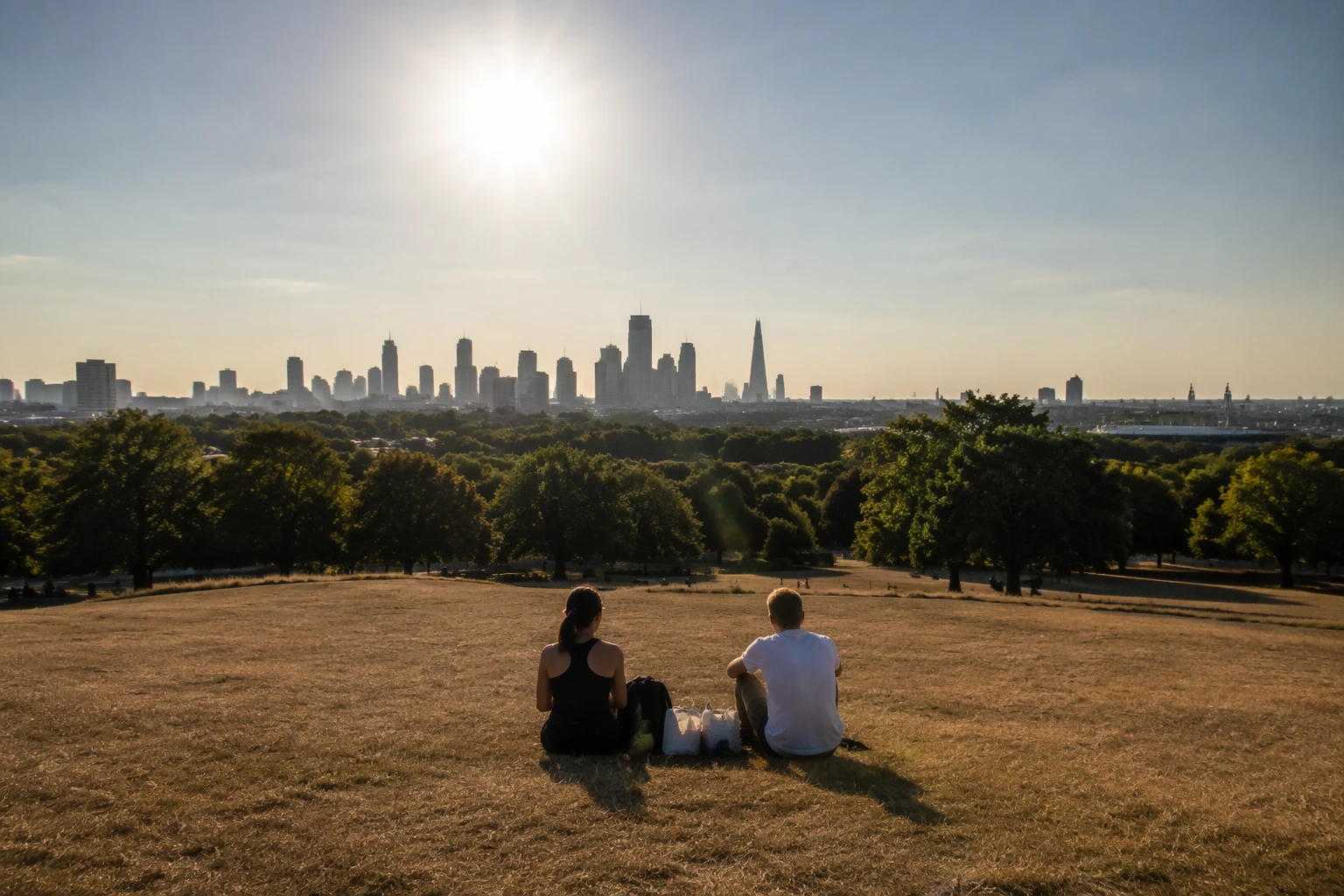
A brief spell of rain may take the edge off the heat, but it does not change the Met Office’s basic threshold for a heatwave: temperatures must reach a set level for at least three consecutive days. That threshold varies from 25C in the north and west of the UK to 28C in parts of eastern England, which is why short-lived relief after a hot day does little to remove the public-health concern created by repeated alerts.
The latest warning landed after a year of extreme warmth that has already redrawn the baseline for summer in Britain. BBC Weather said spring 2025 was the UK’s warmest and sunniest on record, June 2025 was the warmest month on record for England, and summer 2025 was later confirmed by the Met Office as the UK’s hottest on record, with a mean temperature of 16.10C, 1.51C above the long-term average.
That record-setting backdrop is part of the problem now facing hospitals, care providers and local authorities. Heat-health alerts are not a measure of discomfort alone; they are an early warning that repeated hot spells, even when broken by rain, can keep exposing gaps in how well England’s health system and infrastructure are prepared for a hotter climate.