Sports
England stars who could have played for other World Cup nations

England’s 2026 World Cup squad is not just a list of names. It is a snapshot of how modern football turns migration, family ties and registration rules into national identity, with Thomas Tuchel leading a team that is still chasing a first men’s World Cup title in 60 years.
England in a tournament built on global movement
FIFA’s tournament coverage makes the scale plain: 1,248 players are competing across the 2026 World Cup, and 200 of them are based in England at club level. That means the domestic game is not merely producing England players, it is also serving as a hub for talent from across the world, with elite football moving through academies, club systems and international pathways at the same time.
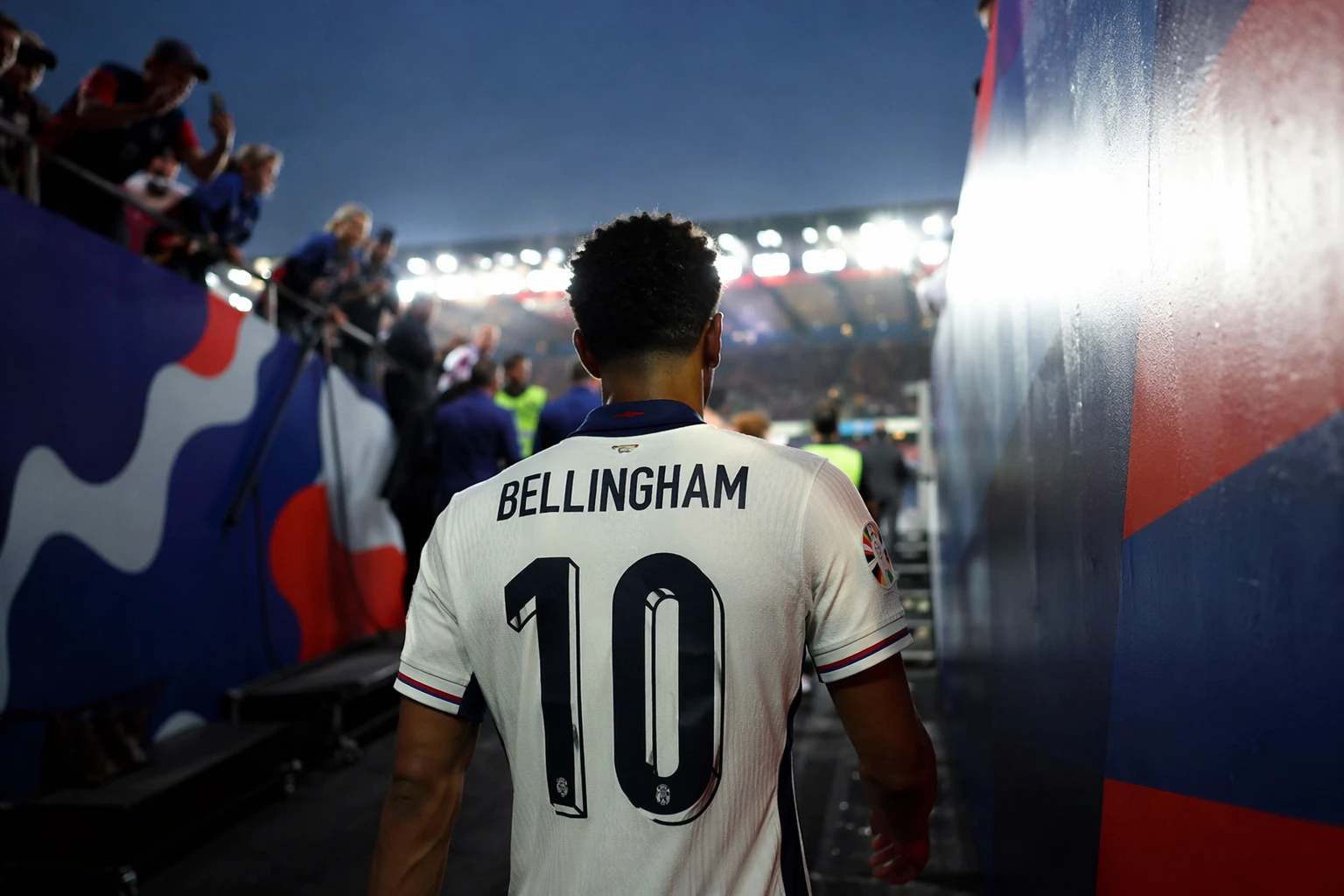
England sits right inside that reality. FIFA’s squad page shows Tuchel at the helm and lists the current group, including Harry Kane, Jude Bellingham, Bukayo Saka and Declan Rice, as part of a tournament field that is more international than any one federation can fully contain. The Three Lions are not isolated from that web of movement, they are one of its clearest examples.
Why eligibility is not a footnote
The question of who can play for England is shaped as much by paperwork as by talent. The FA says international clearance is required for any player aged 10 or over who has previously been registered abroad or is a foreign national registering in England for the first time, and its player-status team oversees that process alongside registration for contract and loan players.
That matters because the path into an England shirt often begins long before senior selection. The FA’s international-transfer rules for minors follow FIFA Article 19 and its exceptions, which means age, residence and movement across borders are all regulated before a player ever reaches the top level. In practical terms, the route from youth football to international football runs through formal clearance, not just form, formality and luck.
This is where England’s talent story becomes a national-identity story. A player can be developed in England, connected to another country through parents or grandparents, and still sit inside a system that must decide whether he belongs to one shirt, several shirts or a future choice between them. That tension is part of the modern game, and England feels it more sharply because so many of its best prospects are formed in a country that is also one of football’s biggest destinations.
The names that make the debate real
Kane, Bellingham, Saka and Rice stand at the center of the conversation because they represent the sort of elite talent every federation wants to secure early. FIFA’s squad listing places them among England’s current World Cup players, but their presence also highlights a deeper truth: England’s strongest squads increasingly emerge from a pool of players whose eligibility can be tied to more than one national story.
That is why talk of “losing out” on stars from other World Cup nations is not abstract. A modern England player may carry links through birthplace, family migration or ancestry, and those links can make him eligible elsewhere before a senior decision is ever made. The FA’s clearance system and FIFA’s eligibility framework are designed to manage that complexity, but they also show how many pathways England must compete for, not just with clubs, but with countries.

Tuchel’s defense of his World Cup squad and his pushback against criticism over notable omissions also fits that broader picture. Selection is never only about form in the final month; it is the endpoint of years of scouting, registration and retention, in a system where one decision can shape whether a player stays inside England’s orbit or becomes another federation’s gain.
England’s history makes the stakes feel larger
FIFA’s England team profile places the current campaign inside a long and unfinished story. The men’s team are still waiting for a first World Cup title in 60 years, and that drought gives extra weight to every decision about development, eligibility and talent identification. England’s tournament record is rich in memorable moments, but the national team has never turned that history into repeated world dominance.
That helps explain why the talent pathway matters so much. England’s heritage has been built on a smaller homegrown star pool than several rivals, which has forced the country to depend on rare peaks of generation talent rather than a steady stream of global supremacy. In that context, every dual-eligible player becomes more than a line on a squad sheet. He becomes part of a wider argument about how England finds, keeps and values footballers in a world where borders do not match footballing lives.
The deeper lesson is that England’s World Cup identity is now inseparable from the country’s place in a mobile, interconnected game. The stars in Tuchel’s squad are not just England’s present, they are evidence of a system in which ancestry, migration and eligibility rules decide far more than most fans ever see.
Sources
- [1]bbc.co.uk
- [2]fifa.com
- [3]playerstatus.thefa.com
- [4]thefa.com
- [5]telegraph.co.uk