Sports
England to trial new rule against goalkeeper injury time-wasting
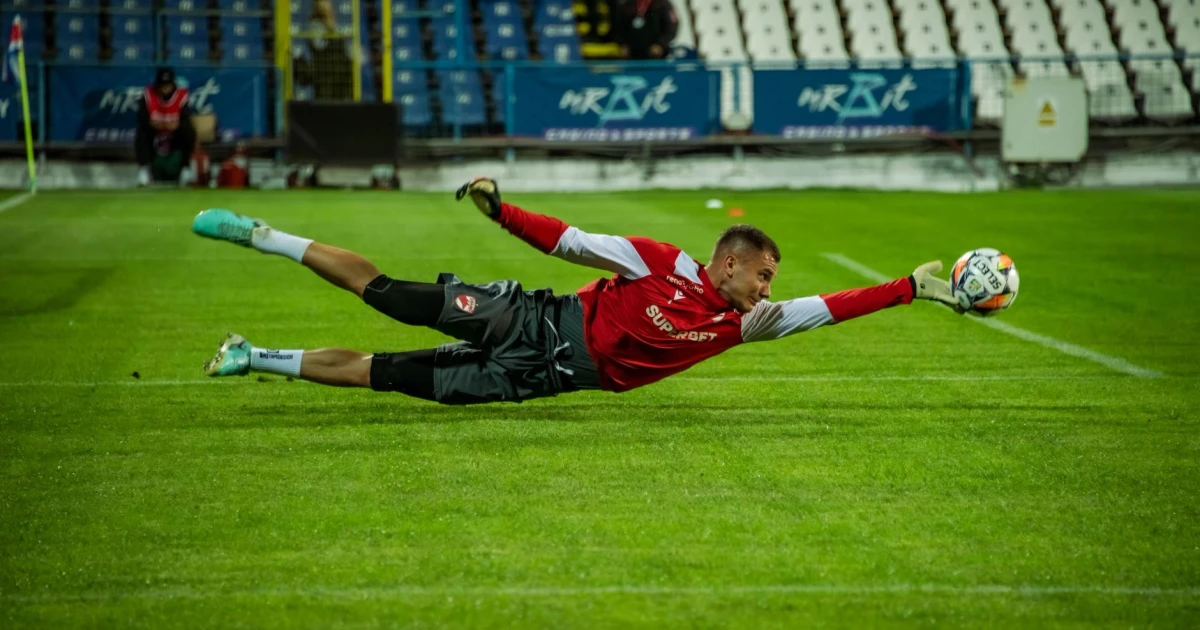
The International Football Association Board approved a 2026-27 trial on July 27 that would force a team to sacrifice an outfield player for one minute after a goalkeeper injury stoppage, a direct attempt to curb one of English soccer’s most visible forms of gamesmanship. The Football Association said the trial will run across the Premier League, English Football League, Women’s Super League and National League.
IFAB’s circular no. 34, issued in Zurich on July 27, said the changes relate to tactical goalkeeper injuries and the VAR protocol. Under the trial, if a goalkeeper is treated on the pitch and play is stopped, that goalkeeper’s team must nominate an outfield player to leave the field for one minute after the restart unless a specific exemption applies. The Premier League said the same rule would require an outfield player to leave the pitch if the game is stopped for a goalkeeper injury.
The move sits inside a wider tightening of the Laws of the Game aimed at speeding up matches. At IFAB’s 140th annual general meeting in Hensol, Wales, in February 2026, the governing body approved measures to improve match tempo and reduce time-wasting. Those included a time-limited substitution protocol, which requires a substituted player to leave within ten seconds, and it followed a March 2025 change to Law 12.2 that punished goalkeepers who held the ball longer than eight seconds with an indirect free kick and a visible five-second countdown by the referee.
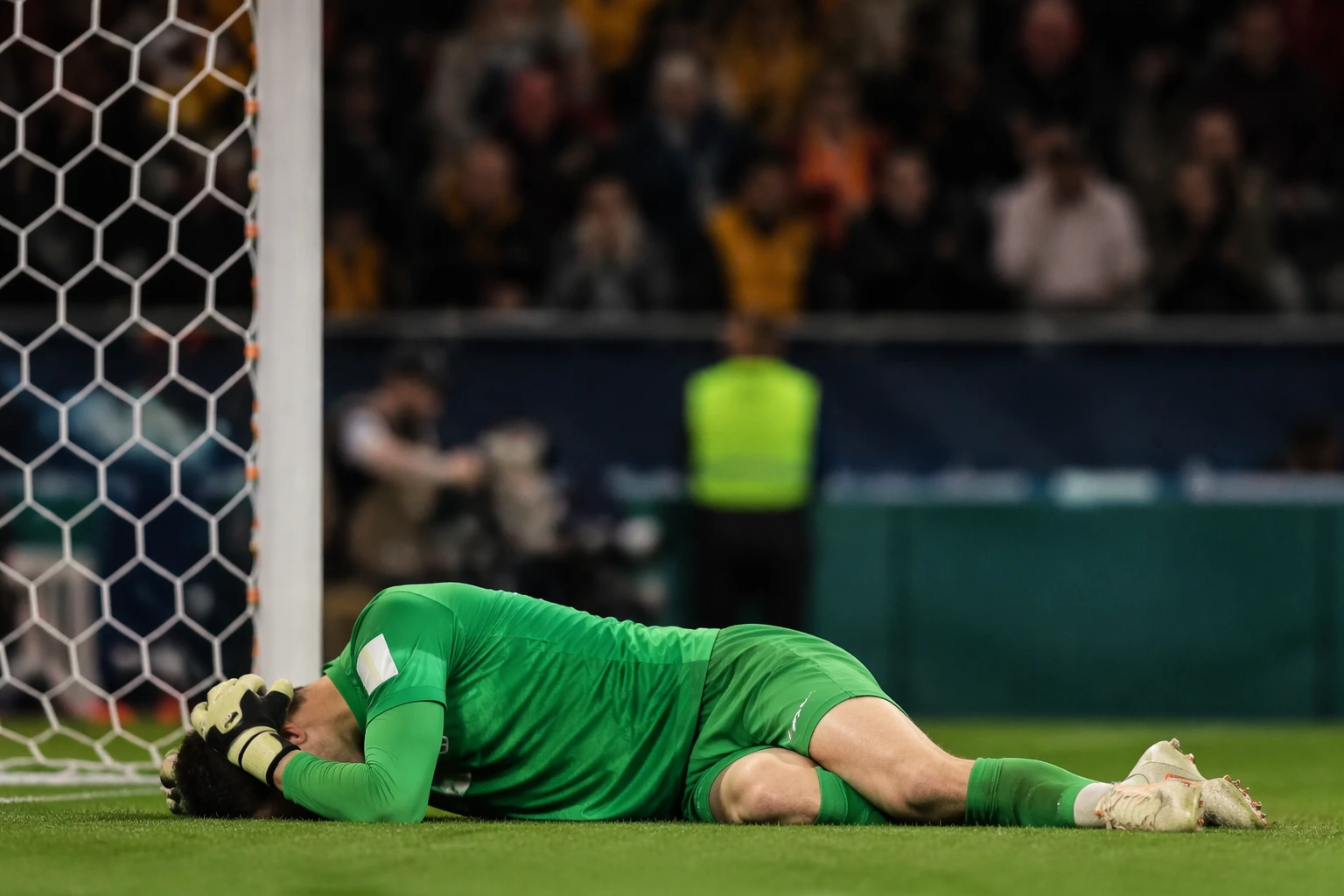
The new goalkeeper trial extends an existing off-field treatment and assessment protocol already built into the laws. That protocol requires an outfield player who is assessed or treated on the field, or whose injury stops play, to leave for one minute after the restart. The new measure applies that logic specifically to goalkeeper incidents, where pauses can be longer and the tactical incentive to slow the game is often greater.
That incentive has become a flashpoint. The Athletic reported that Leeds manager Daniel Farke accused Manchester City goalkeeper Gianluigi Donnarumma of faking an injury last season, while BBC Sport noted that Leeds United fans booed a goalkeeper getting treatment after Donnarumma went down at the Etihad. Those episodes showed how quickly a medical stoppage can become a partisan issue, especially when a team under pressure appears to benefit from the pause.
Officials will now be watching whether the one-minute sanction deters deliberate delays or simply pushes clubs toward new workarounds. The hard part is the same one that has shaped every recent anti-time-wasting change: protecting genuinely injured players without giving teams another way to bend the clock.
Sources
- [1]reuters.com
- [2]thefa.com
- [3]downloads.theifab.com
- [4]theifab.com
- [5]nytimes.com
- [6]bbc.com
- [7]premierleague.com