Sports
England weigh false-nine future as Kane succession debate grows
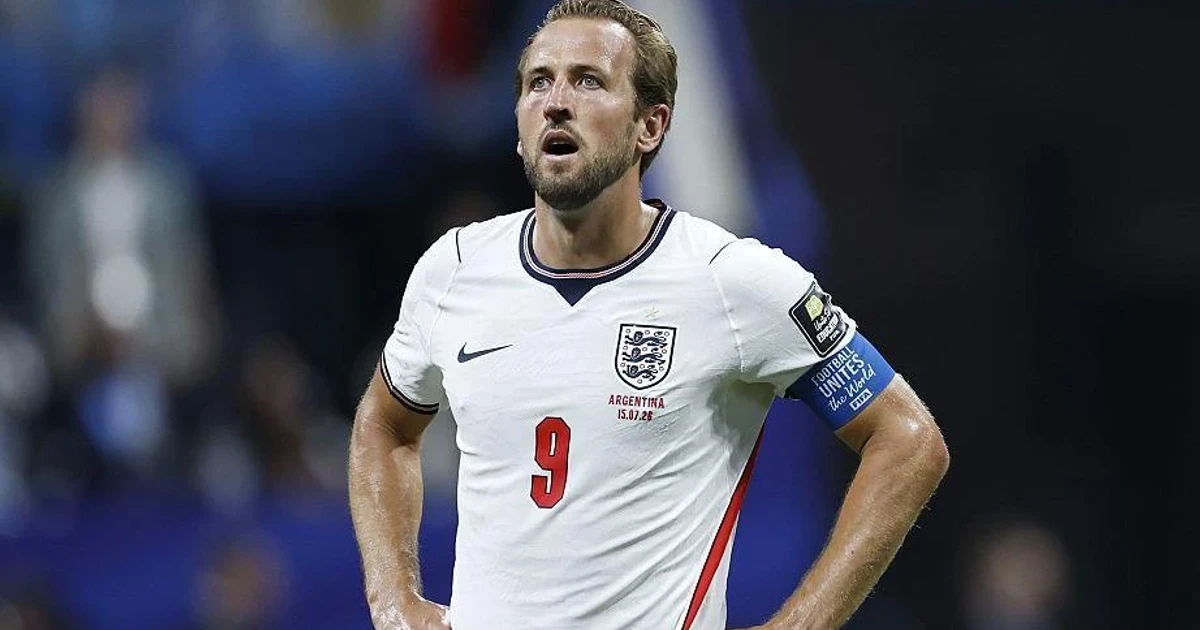
Harry Kane's England future is now a question about system design as much as finishing power. Thomas Tuchel wants his captain to "drop deep", and that has pushed the false-nine debate to the front just as the case for Kane's all-round value keeps getting stronger. The harder issue is succession: England know what they get from Kane today, but they still do not have an obvious like-for-like answer for tomorrow.
Tuchel's Kane plan points toward a false-nine role
Tuchel's preference is clear enough to shape the discussion. BBC Sport has described Kane in a "free-scoring false nine" role because he can link play from midfield areas and still finish chances, and that description fits the numbers he keeps producing. Kane scored 61 goals for Bayern Munich over the season just gone, while at the 2026 World Cup he had already scored six goals and added one assist.
That output matters because it shows why the false-nine debate is not a tactical gimmick. Kane is England's record goalscorer, and he has already broken Gary Lineker's England World Cup scoring record, becoming England's all-time leading scorer in that competition. A striker with that level of output does not need to stand on the last line all game to justify his place, especially if his deeper movement helps England build attacks rather than just finish them.
Why the succession question is bigger than one player
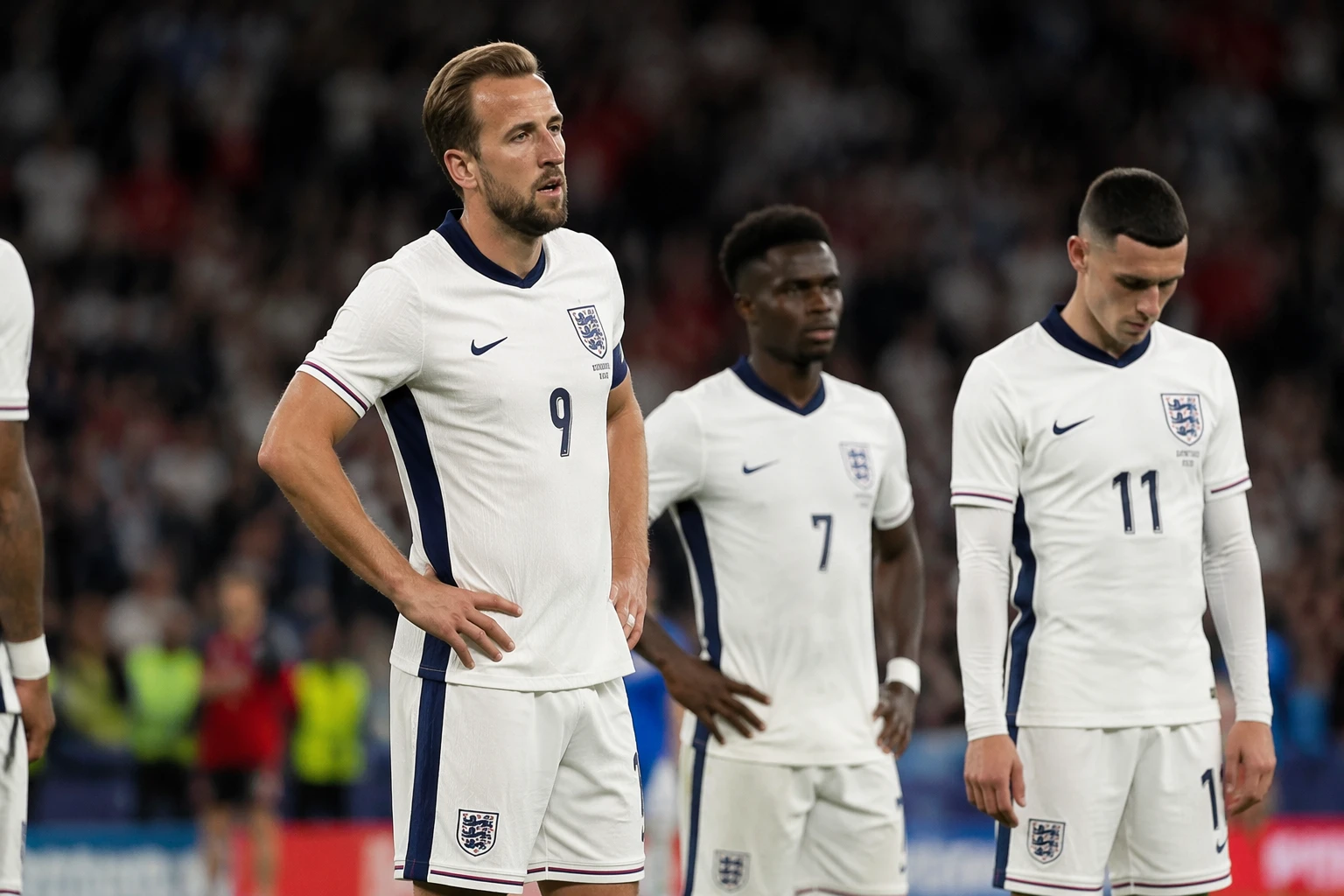
The conversation has also become broader than Kane himself. BBC Sport has called England's forward situation a "striking dilemma", and that label is doing real work: the next No. 9 may not be obvious, and the long run of elite centre-forwards from Lineker, Alan Shearer, Michael Owen, Wayne Rooney and Kane may be ending. England have spent decades being able to point to one reliable spearhead, and that has shaped how the team thinks about attacking structure.
Kane has not acted like a player ready to leave the stage. After Euro 2024, he was reported as not considering England retirement and aiming for the 2026 World Cup, and his form has backed that up. Even so, the question now is less about when he stops and more about what England build around once he does, because succession planning cannot start only after the vacancy opens.
False nine or a wider redistribution of goals
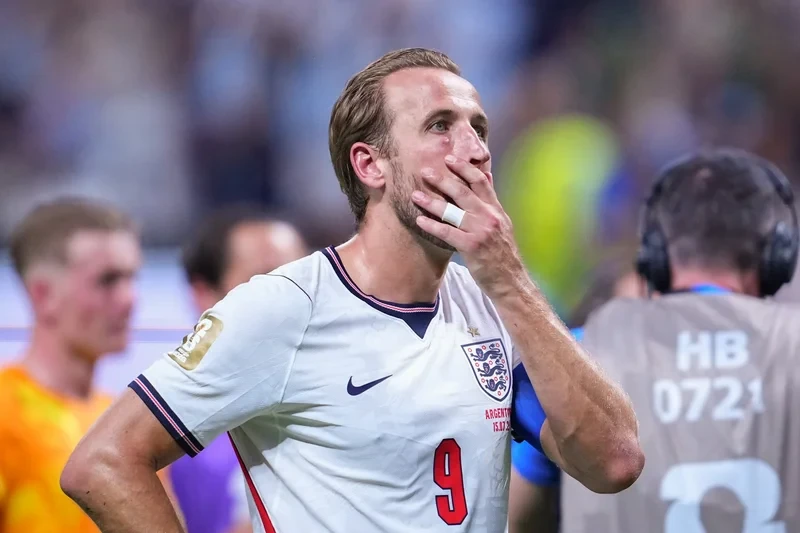
A false nine is not simply a striker playing badly. It is a recognised modern role in which the central forward drops into midfield zones, pulls defenders out of position and creates space for runners from wide or deeper areas, with Lionel Messi, Roberto Firmino, Kane and Phil Foden all linked to the concept in recent coverage. Tuchel's demand that Kane "drop deep" sits squarely in that tradition, and it helps explain why England may not need a pure penalty-box replacement if the rest of the attack can share the scoring load.
That is where the alternative comes in. Instead of searching for one perfect heir, England could reshape the midfield and wide positions so goals are distributed more evenly across the team. Jude Bellingham has already entered that conversation, and BBC Sport has explored whether Kane, Bellingham and Foden can all fit together in the same side, while other commentary has suggested Tuchel could use Foden as a No. 9 or as Kane's accomplice.
In practical terms, that means a more fluid front line. Foden and Bellingham can be asked to arrive higher and later, while wide players can attack the box rather than wait for a central striker to finish moves. If England choose that route, the succession plan is not a direct Kane clone but a more balanced attack where the burden of scoring shifts away from a single centre-forward.
What Tuchel's early results say about the model

England's early results under Tuchel show why he has credibility in making this shift. BBC Sport reported that England beat Croatia 4-2 in their opening World Cup match after a half-time talk from Tuchel, and another report said England secured World Cup qualification with two group games to spare. Those are the kind of results that give a manager room to rethink the attack without being forced into short-term panic.
They also underline the basic tension in the Kane debate. England can win with a structure built around a striker who drops into space, but the team will eventually need to know whether that structure survives without him. The tactical argument around a false nine is therefore really a development-pipeline test: can England produce another Kane-shaped forward, or can they build an attack that no longer depends on one profile at all?
The answer will shape more than the next lineup. It will decide whether England's future remains tied to finding the next great No. 9, or whether the next generation is asked to spread the goals across the whole team.
Sources
- [1]bbc.co.uk
- [2]bbc.com
- [3]nytimes.com
- [4]goal.com
- [5]the-independent.com
- [6]skysports.com