Sports
England's record semi-final run shows they belong among elites
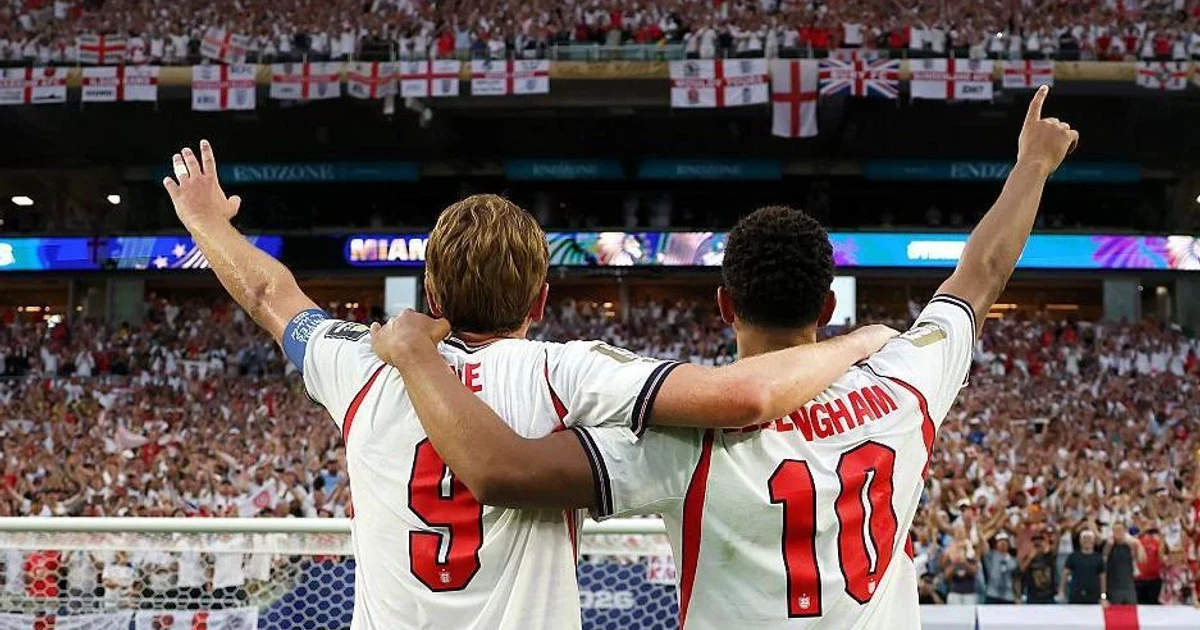
England's latest extra-time win over Norway, sealed by Jude Bellingham's two goals on 11 July 2026, pushed them into another semi-final and sharpened a bigger truth: England no longer arrive at major tournaments hoping to surprise the field, they arrive expecting to stay until the end. Across the women's and men's teams, four semi-final finishes in the past five international tournaments now read less like a burst of form than a new floor.
A new tournament floor
The recent run is spread across different competitions, venues and generations, which is what makes it hard to dismiss as a one-off. England beat Australia 3-1 in Sydney on 16 August 2023 to reach the FIFA Women's World Cup final, then went back into the last four at UEFA Women's EURO 2025, with the semi-final line-up placing England against Italy in Geneva and Germany against Spain in Zurich. The men's side then carried the pattern into the 2026 FIFA World Cup, where Bellingham's brace turned a quarter-final against Norway into a place in the semi-finals.
That sequence matters because it shows the same national program producing repeat knockout results in different settings. The venues changed, the opposition changed, and the format changed, but the finish line stayed the same: England were still there when the tournament tightened.
The women reset the benchmark
England's women helped change the country's emotional relationship with major tournaments before the men's side caught up. Under Sarina Wiegman, the team reached the 2023 Women's World Cup semi-finals, beat Australia in Sydney, and then went on to the final, where Spain stopped them. Two years later, they were back in the semi-finals of UEFA Women's EURO 2025, keeping England in the late stages of another major event.
That repeat access to the last four altered the language around the team. A semi-final stopped looking like a dream run and started looking like the expected checkpoint for a squad built to compete deep into tournaments. When England's women keep reappearing at that stage, it signals more than form. It shows a culture in which pressure is no longer unusual and knockout football is no longer treated as an emergency.

The wider lesson is structural. A team that keeps returning to the same stage is usually being fed by a system that has made the stage familiar, from coaching to selection to player development. Wiegman's side has not just won games, it has normalized the idea that England should be present when titles are decided.
The men's side has turned access into habit
The men's history gives the same story a longer frame. UEFA's EURO records show England first qualified for the finals in 1968, have missed only two final tournaments since 1980, and have finished runners-up at EURO 2020 and EURO 2024. That is not the record of a side occasionally stumbling into contention. It is the record of a team that has become a regular at the sharp end of tournaments.
The Norway win added another layer to that case. England fell behind, went to extra time, and still found the answer in Bellingham, who scored both goals in the 2-1 victory. That is the kind of match that used to expose England's nerves. Instead, it now reads as proof of tolerance for stress, patience under fatigue and enough quality to settle a knockout game late.
The shift is also psychological. In the old England script, every major tournament carried a familiar weight: prove you can cope, prove you can defend, prove you can survive penalties, prove you can avoid collapse. The current version is more direct. England expect to be among the last four, and the football is being played from that assumption.
What changed underneath
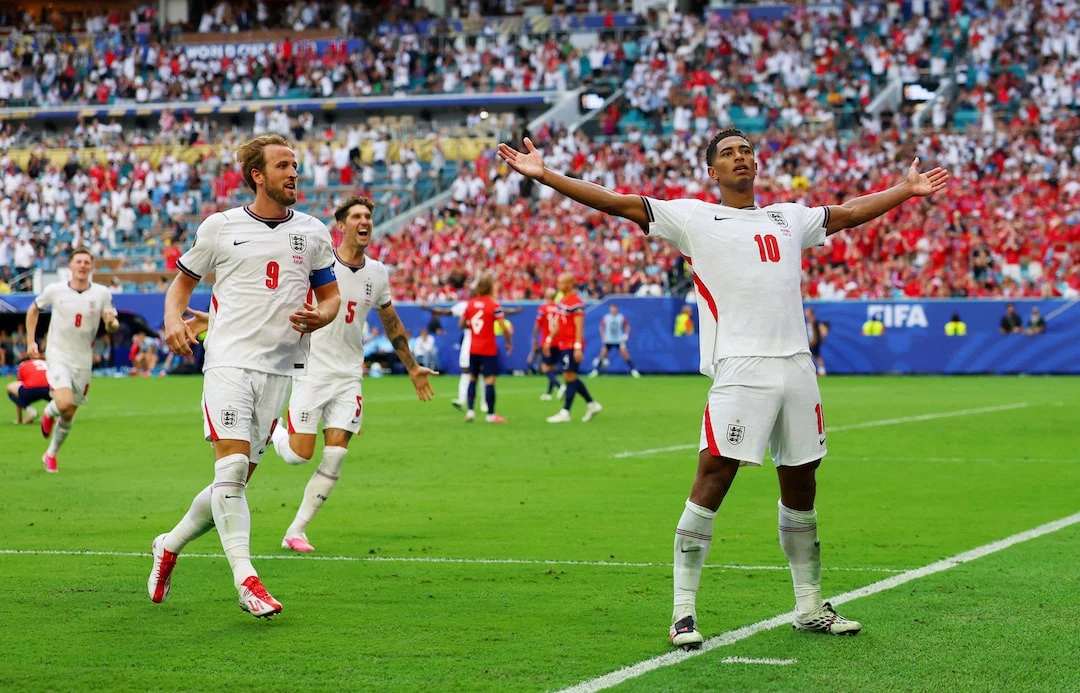
The safest reading is that England's rise is not about one manager, one superstar or one lucky bracket. It is about a system that now produces squads capable of surviving the same pressure points again and again. The Football Association's results archive tracks the steady repetition, while England Football's pathway has helped normalize tournament-level expectations across age groups and senior squads.
That does not mean every problem has vanished. England still have to turn semi-final access into titles, and that is where elite status is finally measured. But the recent pattern, from Sydney in 2023 to the women's EURO run in 2025 to Bellingham's extra-time double against Norway in 2026, shows a team and a program that are no longer asking whether they belong in these matches.
Golden stretch or new baseline?
That question is still alive, and it should be. A golden stretch is built on momentum, confidence and a few key names in the right years. A durable baseline survives opponent adjustments, manager changes and the natural drift of player cycles.
England have earned the right to be judged on the second standard now. Four semi-finals across the last five international tournaments, two recent EURO runner-up finishes, and another World Cup semi-final run after beating Norway in extra time point to a nation that has moved beyond underachievement anxiety. The next test is not whether England can belong among the elites. It is whether they can stay there.